Tuscan Chicken In Cream Sauce
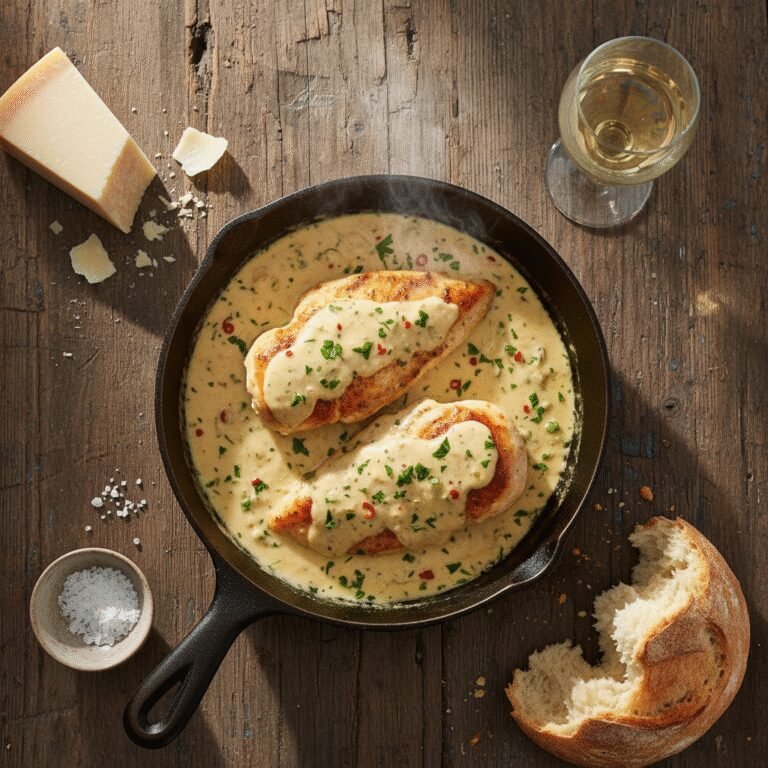
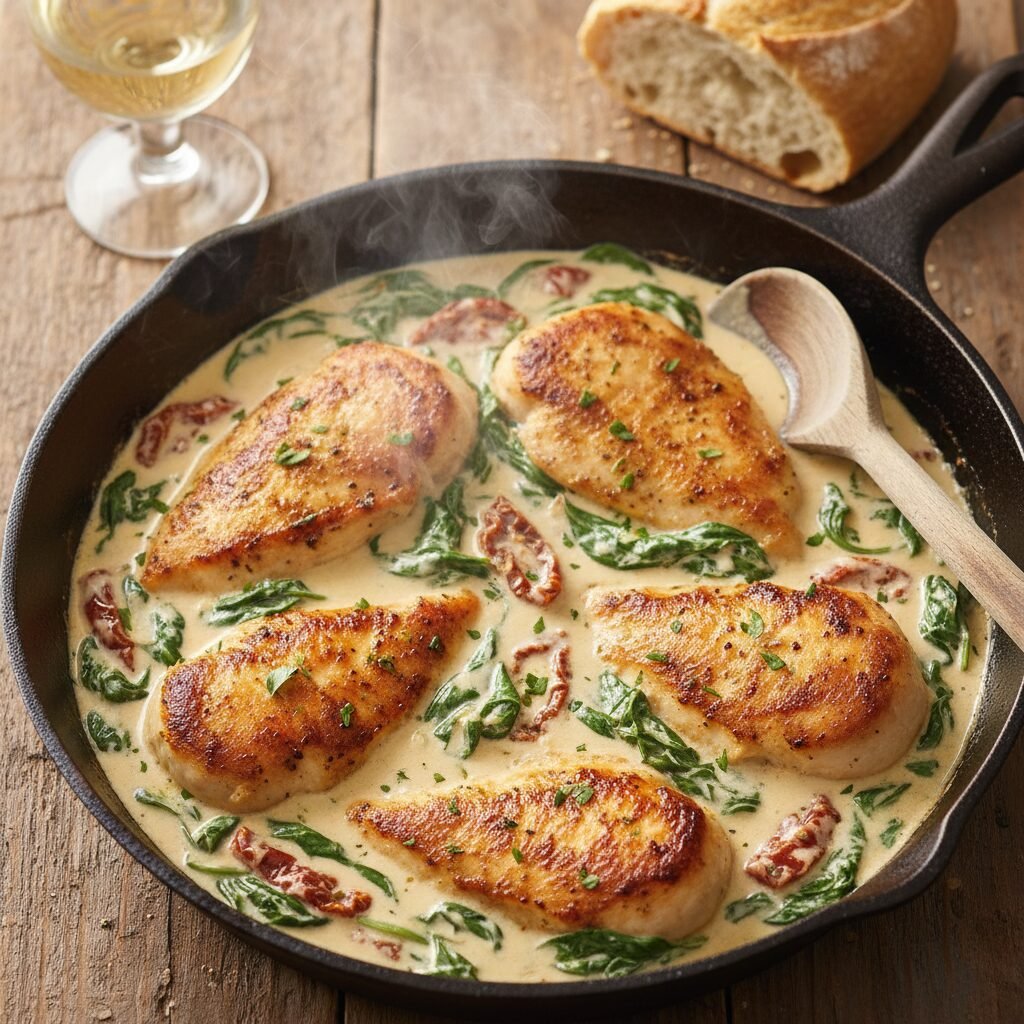
This Creamy Tuscan Chicken is the definition of a weeknight savior that tastes like a special occasion meal. With a luscious garlic-infused cream sauce, vibrant spinach, and tangy sun-dried tomatoes, it delivers bold Italian-inspired flavors in a single skillet.
10 minutes
20 minutes
30 minutes
4 Servings
Dinner
Stovetop / Pan-Sear
Italian-American
Gluten Free
In the realm of modern home cooking, few dishes have captured the hearts of busy families quite like Tuscan Chicken in Cream Sauce. It strikes that elusive balance between effortless preparation and gourmet presentation. As a professional chef and food writer, I understand the constant struggle of the dinner rush—the need to put something nutritious and delicious on the table without spending hours over a hot stove or generating a mountain of dishes. This recipe is the answer to that dilemma.
The dish features golden, pan-seared chicken breasts that remain juicy and tender, resting in a luxurious sauce made from heavy cream, savory chicken broth, and freshly grated Parmesan cheese. The addition of sun-dried tomatoes provides a necessary burst of acidity and sweetness to cut through the richness of the dairy, while fresh baby spinach adds color, texture, and a nutritional boost. It is a meal that appeals to the senses immediately; the vibrant reds and greens against the creamy white sauce make for a stunning visual presentation.
What makes this specific recipe a staple for Pinterest-savvy moms is its versatility. It serves beautifully over pasta for a hearty carb-centric meal, pairs elegantly with mashed potatoes, or stands alone as a high-protein, keto-friendly dinner when served with steamed vegetables or cauliflower rice. By mastering this technique, you are not just learning a recipe; you are adding a reliable, restaurant-quality technique to your culinary repertoire that guarantees clean plates and happy faces around the dinner table.
History & Origins
While the name suggests a direct lineage to the rolling hills of Tuscany, Tuscan Chicken as we know it in the United States is more of an Italian-American invention than an authentic regional dish from Italy. Traditional Tuscan cuisine, or cucina povera, is characterized by simple, rustic ingredients—beans, bread, roasted meats, and olive oil—rather than the heavy cream-based sauces that dominate Americanized Italian menus.
The “Tuscan” label in this recipe likely derives from the specific flavor profile of the auxiliary ingredients: spinach, garlic, and sun-dried tomatoes, all of which are staples in Central Italian agriculture. The popularity of this specific combination skyrocketed in North American chain restaurants in the late 1990s and early 2000s (most notably with the “Zuppa Toscana” or similar creamy chicken dishes at places like Olive Garden). Over the last decade, food bloggers have refined these restaurant concepts into the one-pan skillet dinner we adore today. It represents a fusion of American comfort food desires—creamy, cheesy sauces—with the bright, sun-drenched flavors associated with the Mediterranean.
Why This Recipe Works
From a culinary science perspective, this dish works because of the interplay between fat, acid, and umami. The foundation of the flavor comes from the Maillard reaction achieved by searing the chicken. This creates a fond (the browned bits stuck to the bottom of the pan), which is then deglazed with chicken broth, incorporating those complex caramelized flavors directly into the sauce.
The sauce itself relies on an emulsion. By reducing the heavy cream and chicken broth, we concentrate the flavors and thicken the liquid. The addition of Parmesan cheese acts as a binder and a seasoning agent; as the cheese melts, its proteins unravel and emulsify with the cream, creating a velvety texture that coats the chicken perfectly. Ideally, we use sun-dried tomatoes because they contain a high concentration of glutamate (natural umami) and a sharp acidity. This acidity is crucial; without it, the heavy cream and cheese would taste one-dimensionally rich and heavy. The tomatoes cleanse the palate, inviting you to take another bite. Finally, adding the spinach at the very end ensures it wilts but retains its bright green color and structural integrity, preventing the dish from becoming mushy.
Why You’ll Love This Recipe
- ✓Ready in under 30 minutes from prep to plate.
- ✓Uses only one skillet for minimal cleanup.
- ✓High protein and Keto-friendly (low carb).
- ✓Rich, restaurant-quality garlic parmesan sauce.
- ✓Versatile serving options (pasta, rice, or vegetables).
- ✓Uses pantry staples like sun-dried tomatoes and dried herbs.
Equipment You’ll Need
- ✓Large Skillet (Cast Iron or Stainless Steel preferred)
- ✓Chef’s Knife
- ✓Cutting Board
- ✓Kitchen Tongs
- ✓Measuring Cups and Spoons
- ✓Cheese Grater (Microplane)
Ingredients
- ✓2 lbs Boneless, skinless chicken breasts (pounded to even thickness)
- ✓1 tsp Salt (divided)
- ✓1/2 tsp Black pepper (freshly cracked)
- ✓1 tsp Dried oregano
- ✓1 tsp Garlic powder
- ✓2 tbsp Olive oil
- ✓2 tbsp Unsalted butter
- ✓1 small Yellow onion (finely diced)
- ✓5 cloves Garlic (minced)
- ✓1/3 cup Sun-dried tomatoes (oil-packed, drained and chopped)
- ✓1/2 cup Chicken broth (low sodium)
- ✓1 cup Heavy cream
- ✓1/2 cup Parmesan cheese (freshly grated)
- ✓3 cups Baby spinach (fresh)
- ✓Fresh parsley (chopped, for garnish)
Instructions
- Prep the Chicken: Place the chicken breasts on a cutting board. If they are very thick, slice them horizontally into cutlets or pound them to an even 1/2-inch thickness. This ensures even cooking. Pat the chicken dry with paper towels. Season both sides generously with salt, pepper, dried oregano, and garlic powder.
- Sear the Chicken: Heat the olive oil in a large skillet over medium-high heat. Once the oil is shimmering, add the chicken breasts. Cook for 5-6 minutes on the first side without moving them to develop a golden-brown crust. Flip and cook for another 4-5 minutes until the internal temperature reaches 165°F (74°C). Remove the chicken from the pan and set aside on a warm plate.
- Sauté Aromatics: Reduce the heat to medium. Add the butter to the same skillet. Once melted, add the diced onion and cook for 3-4 minutes until softened and translucent. Add the minced garlic and chopped sun-dried tomatoes. Sauté for 1 minute until fragrant, being careful not to burn the garlic.
- Deglaze and Simmer: Pour in the chicken broth to deglaze the pan. Use a wooden spoon or spatula to scrape up the browned bits (fond) from the bottom of the pan—this is pure flavor. Let the broth simmer and reduce by half (about 2-3 minutes).
- Build the Cream Sauce: Lower the heat to medium-low. Pour in the heavy cream and bring to a gentle simmer. Do not let it boil vigorously, or the cream may separate. Stir in the freshly grated Parmesan cheese until melted and smooth. Let the sauce simmer for 2-3 minutes until it thickens slightly.
- Add Spinach: Add the fresh baby spinach to the skillet. Stir gently until the spinach is wilted and incorporated into the sauce, which should take about 1-2 minutes.
- Combine and Serve: Return the cooked chicken breasts (and any juices accumulated on the plate) back to the skillet. Spoon the creamy sauce over the chicken to reheat it slightly. Garnish with fresh chopped parsley and serve immediately.
Expert Cooking Tips
- ✓Room Temperature Chicken: Take your chicken out of the fridge 15-20 minutes before cooking. Cooking cold chicken can lead to uneven cooking and tough meat.
- ✓Grate Your Own Cheese: Avoid pre-shredded Parmesan cheese. It contains anti-caking agents (like cellulose) that prevent it from melting smoothly, resulting in a gritty sauce. Buy a wedge and grate it yourself.
- ✓Don’t Overcrowd the Pan: If your skillet isn’t large enough, sear the chicken in batches. Overcrowding causes the chicken to steam rather than sear, preventing that delicious golden crust.
- ✓Control the Heat: When adding dairy (cream and cheese), ensure the heat is low. High heat can cause the sauce to break or curdle.
Substitutions and Variations
This recipe is highly adaptable to whatever you have in your pantry or dietary needs. Chicken Thighs: You can easily swap breasts for boneless, skinless chicken thighs; they are more forgiving and remain juicy, though they may require a few extra minutes of cooking time. Greens: If you don’t have spinach, kale is a robust alternative. Remove the stems and chop the leaves, adding them a few minutes earlier than the spinach as kale takes longer to wilt. Dairy-Free: For a dairy-free version, use full-fat coconut milk or a plant-based heavy cream alternative, and use nutritional yeast or a vegan parmesan substitute, though the flavor profile will shift slightly.
Common Mistakes to Avoid
The most common mistake with this dish is overcooking the chicken. Because the chicken is returned to the pan at the end, pull it off the heat the moment it hits 165°F. Another frequent issue is a grainy sauce. This happens if the heat is too high when adding the cheese. Always remove the pan from the heat or turn it down to the lowest setting before stirring in the Parmesan. Finally, burning the garlic will impart a bitter taste to the entire dish; ensure you only sauté it for about 60 seconds before adding the liquid.
Serving Suggestions
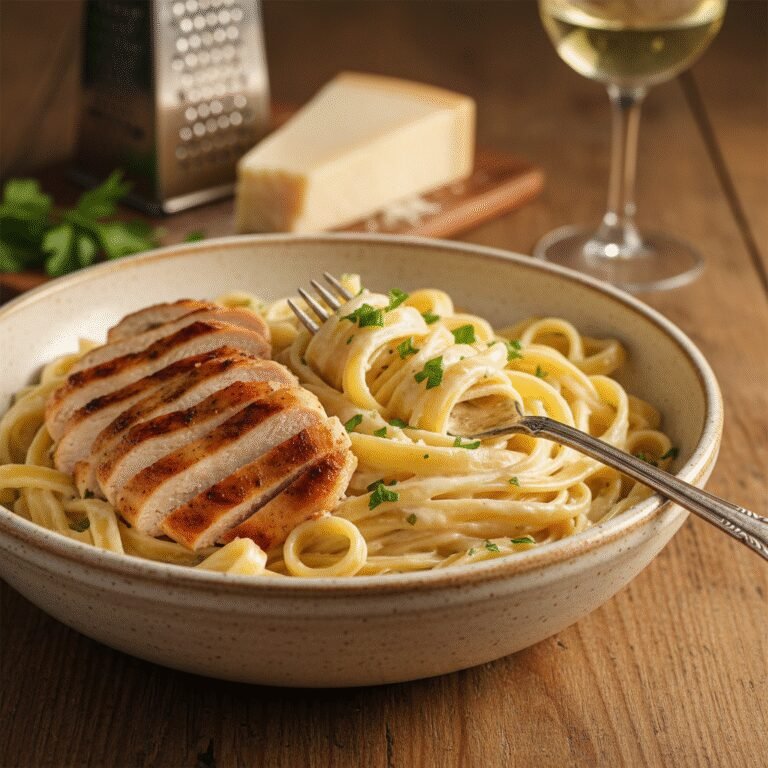
This sauce is liquid gold, so you want to serve it with something that can soak it up. Pasta: Fettuccine, linguine, or penne are classic choices. Toss the pasta directly in the sauce before adding the chicken back in. Potatoes: Serve over creamy garlic mashed potatoes or alongside roasted baby potatoes. Low Carb: For a keto option, serve over zucchini noodles (zoodles), spaghetti squash, or steamed cauliflower rice. A side of crusty garlic bread is also highly recommended for dipping.
Storage and Reheating Tips
Store leftovers in an airtight container in the refrigerator for up to 3-4 days. To reheat, place the chicken and sauce in a skillet over low heat. You may need to add a splash of chicken broth or water to loosen the sauce, as the cream will thicken significantly when cold. Avoid microwaving on high power, as this can cause the cream sauce to separate and the chicken to become rubbery. Freezing is not recommended for cream-based sauces as the texture tends to become grainy upon thawing.
Nutrition Facts (Estimated)
| Serving Size | 1 chicken breast with sauce |
| Calories | 580 |
| Fat | 38g |
| Saturated Fat | 18g |
| Unsaturated Fat | 16g |
| Trans Fat | 0g |
| Cholesterol | 185mg |
| Sodium | 680mg |
| Carbohydrates | 9g |
| Fiber | 2g |
| Sugar | 4g |
| Protein | 48g |
Frequently Asked Questions
Can I use half-and-half instead of heavy cream?
Yes, you can use half-and-half to cut down on calories, but the sauce will be thinner and less rich. You may need to simmer it longer to reduce it or add a small amount of cornstarch slurry to achieve the desired thickness.
Why did my sauce curdle?
Curdling usually happens due to high heat. Dairy separates when boiled vigorously. Always reduce the heat to low before adding the cream and cheese, and bring it to a gentle simmer only.
Can I use frozen spinach?
Yes. Thaw the frozen spinach completely and squeeze out as much excess water as possible before adding it to the sauce. If you don’t squeeze it dry, it will water down your creamy sauce.
Is this recipe gluten-free?
Yes, as written, this recipe is naturally gluten-free. Just ensure your chicken broth and spices are certified gluten-free if you have a severe allergy. Serve with gluten-free pasta or vegetables.
Can I add mushrooms to this dish?
Absolutely. Sliced cremini or button mushrooms are a fantastic addition. Sauté them with the onions and butter before adding the garlic to ensure they brown nicely.
What wine pairs best with Tuscan Chicken?
A crisp, dry white wine cuts through the richness of the cream sauce perfectly. Look for a Pinot Grigio, Sauvignon Blanc, or an un-oaked Chardonnay.
Can I make this ahead of time?
You can sear the chicken ahead of time, but the sauce is best made fresh. If you must prep ahead, make the entire dish and reheat gently on the stove, adding a splash of broth to revive the sauce.
How do I thicken the sauce if it’s too runny?
Allow it to simmer for a few more minutes; reduction is the best method. Alternatively, adding more parmesan cheese will help thicken it. Do not add raw flour to the hot sauce as it will clump.
Conclusion
This Creamy Tuscan Chicken is more than just a recipe; it is a lifeline for busy evenings when you refuse to compromise on flavor. It brings the warmth and richness of Italian-inspired comfort food directly to your kitchen with minimal effort. Whether you are cooking for a picky family, hosting a dinner party, or meal prepping for a keto diet, this dish delivers every time. The luscious sauce, tender chicken, and pops of flavor from the tomatoes create a harmony that will have everyone asking for seconds.