
Hey there, cocktail lovers! If you are looking for a drink that tastes exactly like sunshine feels, you have come to the right place. We are diving deep into the world of the Lemon Drop Martini. It is sweet, it is tart, and it is undeniably fun. Whether you are hosting a fancy dinner party, having a girls’ night in, or just want to treat yourself after a long week, this cocktail is the ultimate crowd-pleaser.
The Lemon Drop is deceptive. It looks elegant and sophisticated in that stemmed glass, but at its heart, it is basically adult lemonade with a serious kick. It strikes that delicate balance between the pucker of fresh citrus and the soothing sweetness of sugar, all smoothed out by a good dose of vodka. It is not just a drink; it is an experience.
In this guide, we are not just going to toss a recipe at you and run. We are going to break down the science of the perfect sweet-and-sour balance, talk about why your choice of vodka matters (and when it doesn’t), and teach you how to get that sugar rim to stay put without making a sticky mess. So, grab your shaker and let’s get zesty!
A Brief History: From San Francisco with Love
Before we start squeezing lemons, let’s take a quick trip back in time. Unlike some classic cocktails that date back to the pre-Prohibition era, the Lemon Drop Martini is a modern classic. It was born in the groovy 1970s in San Francisco. The legend goes that Norman Jay Hobday, the founder of a bar called Henry Africa’s, invented this sweet-tart concoction. Henry Africa’s was known as one of the first ‘fern bars’—places decorated with plants and Tiffany lamps to attract a more mixed crowd, moving away from the dark, men-only dive bars of the past.
Originally, it was served in a cocktail glass, but over the years, it evolved. It earned the ‘Martini’ title in the 90s when anything served in a V-shaped glass was dubbed a martini, regardless of whether it contained vermouth or gin. While purists might argue it is technically a ‘crusta’ or a sour, the world knows and loves it as the Lemon Drop Martini. It became a symbol of the cocktail renaissance, bridging the gap between the sugary drinks of the 80s and the craft cocktail movement we see today.
Why has it endured? Because it is simple, delicious, and nostalgic. It reminds us of lemon drop candies from our childhood, but with a sophisticated, boozy twist. It is a drink that doesn’t take itself too seriously, and that is exactly why we love it.

The Anatomy of the Perfect Lemon Drop
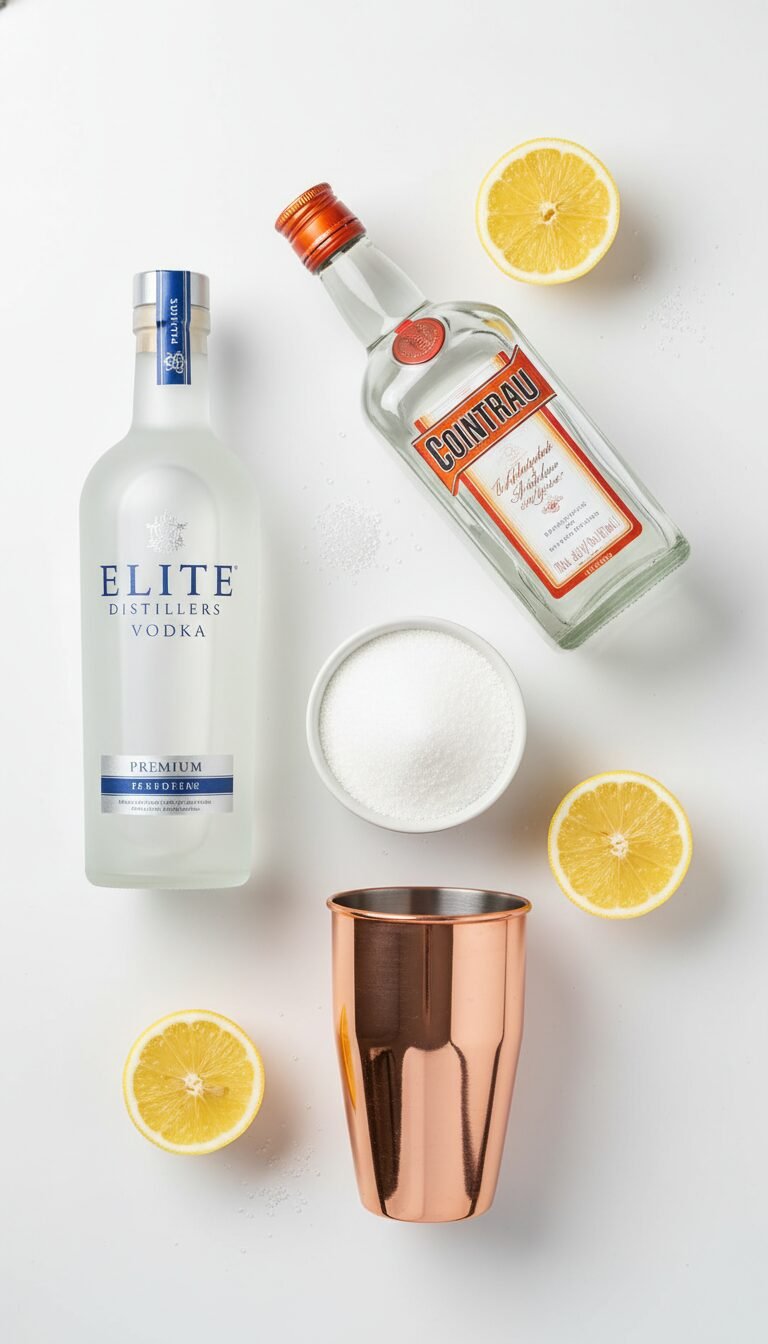
You cannot build a house without good bricks, and you cannot make a stellar Lemon Drop without quality ingredients. Because this drink has so few components, there is nowhere for low-quality ingredients to hide. Here is what you need to know to elevate your game.
1. The Vodka
Since vodka is the primary spirit here, you want something clean and smooth. You do not need to break the bank on a bottle that costs hundreds of dollars, but you should avoid the bottom-shelf plastic jug varieties that burn on the way down. Brands like Tito’s, Ketel One, or Grey Goose are excellent choices. If you want to add an extra layer of flavor, you can use a citrus-flavored vodka like Absolut Citron or Deep Eddy Lemon, but be careful—this can make the drink very intense. A standard, neutral vodka allows the fresh fruit to shine.
2. The Lemon Juice
This is the non-negotiable rule: Fresh is best. Put down the little plastic lemon-shaped squeeze bottle. That stuff contains preservatives and oils that taste artificial and metallic. For a true Lemon Drop, you need to squeeze real lemons. You want that bright, acidic pop that only comes from fresh fruit. Roll your lemons on the counter before cutting them to release the juices, and strain the juice to keep seeds and pulp out of your elegant drink.
3. The Sweetener
You have two main sources of sweetness here: the liqueur and the syrup. Traditionally, a Lemon Drop uses Triple Sec or Cointreau (an orange liqueur) to balance the lemon. Cointreau is generally preferred for its cleaner, more premium taste compared to generic Triple Sec. In addition to the liqueur, you will need Simple Syrup. This is just sugar and water dissolved together. You can buy it, but it is incredibly easy to make at home (we will cover that in the tips section). Using syrup instead of granulated sugar ensures the drink is smooth, not gritty.
The Art of the Sugar Rim
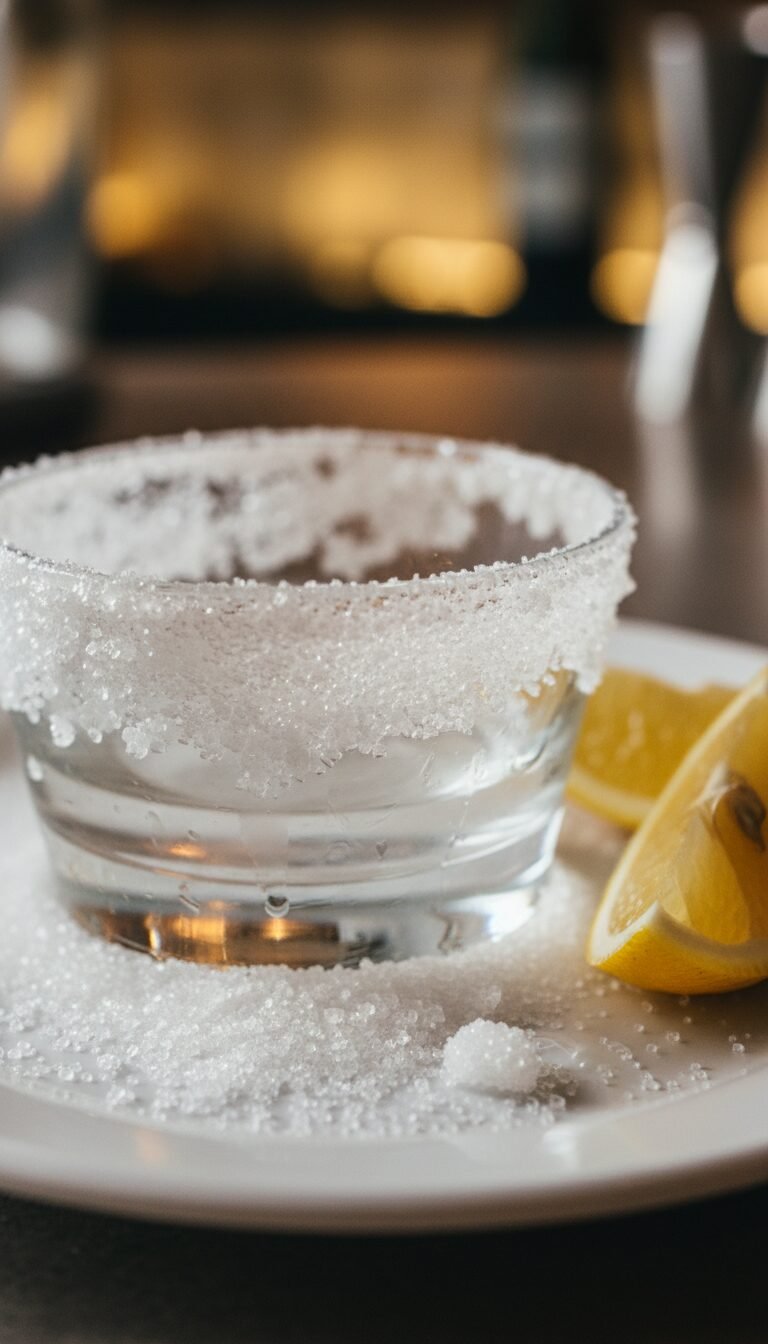
The sugar rim is the signature of a Lemon Drop Martini. It is not just for looks; it serves a culinary purpose. The sweetness of the sugar on your lips prepares your palate for the sour rush of the lemon, creating that perfect sweet-sour harmony. However, a bad rim job can result in a sticky glass and sugar all over your lap. Here is how to do it like a pro.
First, do not use water to wet the rim. Water runs too quickly and dissolves the sugar into a syrup that drips down the glass. Instead, take a lemon wedge—one that you have already juiced is fine—and run the pulp along the outside of the rim. Try to keep the inside of the glass dry. This prevents sugar from falling into the cocktail and throwing off the balance.
Next, pour your sugar onto a small plate or saucer. Superfine sugar (also called caster sugar) works best because it sticks easily and has a pleasant texture, but regular granulated sugar works just fine too. Avoid raw or turbinado sugar; the crystals are too large and crunchy. Gently dip the wetted rim into the sugar, rotating slightly. Lift it up, tap the stem gently to knock off loose crystals, and voilà! You have a professional-looking rim.
Step-by-Step: The Classic Recipe
Alright, let’s get to the main event. Here is the foolproof recipe for a single Lemon Drop Martini. If you are making these for a crowd, you can easily multiply the ratios.
Ingredients:
- 2 ounces Vodka (high quality)
- 3/4 ounce Triple Sec or Cointreau
- 1 ounce Fresh Lemon Juice
- 3/4 ounce Simple Syrup (adjust to taste)
- Superfine sugar for the rim
- Lemon twist for garnish
- Ice cubes
Instructions:
1. Prepare the Glass: Before you start mixing, prep your glass. Take your martini or coupe glass and run a lemon wedge around the rim. Dip it into your plate of sugar. Set the glass aside—preferably in the freezer for a few minutes to get it nice and frosty.
2. Combine Ingredients: In a cocktail shaker, combine the vodka, Triple Sec, fresh lemon juice, and simple syrup. If you like your drinks more tart, pull back on the syrup. If you have a sweet tooth, add a splash more.
3. Shake It Up: Fill the shaker about three-quarters full with ice. Pop the lid on tight and shake vigorously. You want to shake for at least 15 to 20 seconds. You are not just cooling the drink; you are aerating it. Shaking introduces tiny air bubbles that give the cocktail a cloudy appearance and a silky, frothy mouthfeel. The shaker should feel painfully cold to the touch when you are done.
4. Strain and Serve: Take your chilled, sugar-rimmed glass out of the freezer. Strain the cocktail into the glass. Double straining (pouring through a tea strainer) is a great pro move here to catch any tiny shards of ice or lemon pulp, ensuring a smooth sip.
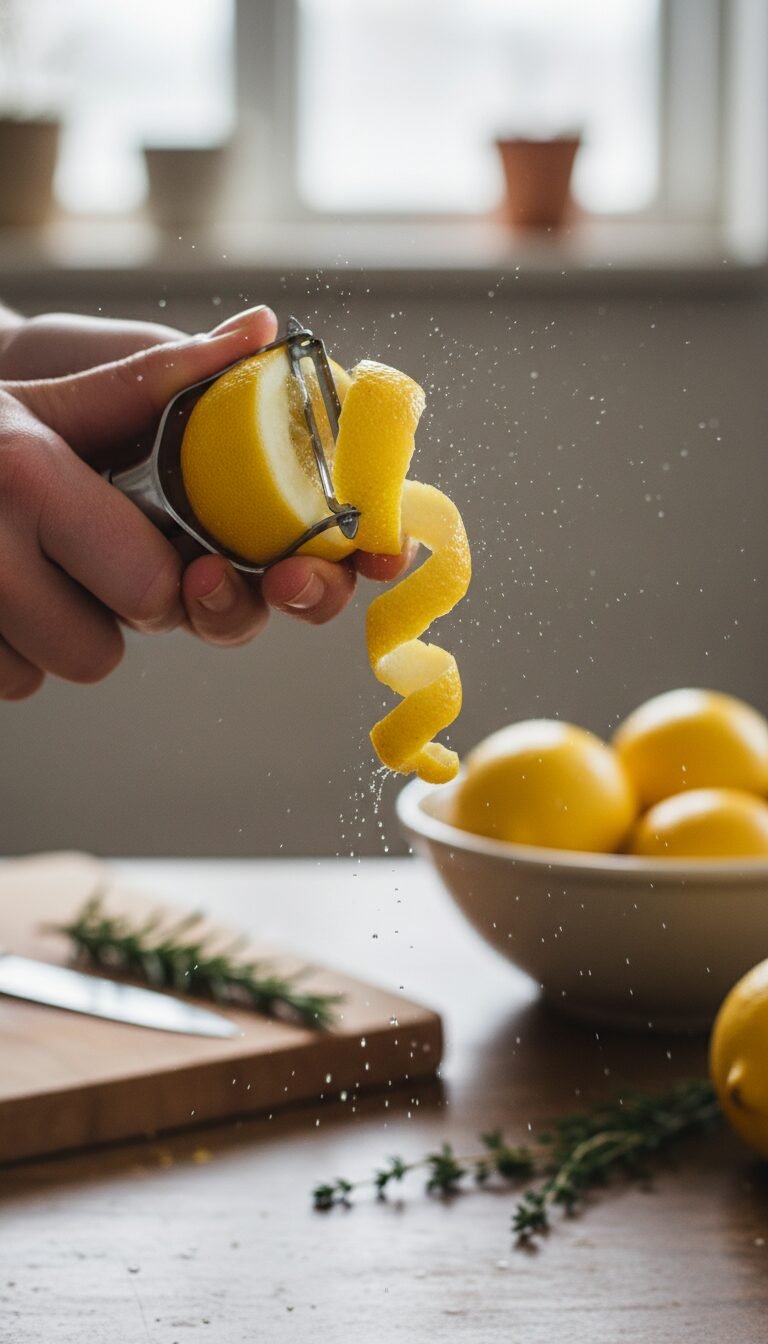
5. The Garnish: Peel a strip of lemon zest. Twist it over the drink to express the essential oils onto the surface of the liquid—this adds an incredible aroma. Drop the twist into the drink or perch it on the side.

Creative Variations to Twist Things Up
Once you have mastered the classic, why not experiment? The Lemon Drop profile is a fantastic canvas for other flavors. Here are a few of our favorite twists to keep things interesting.
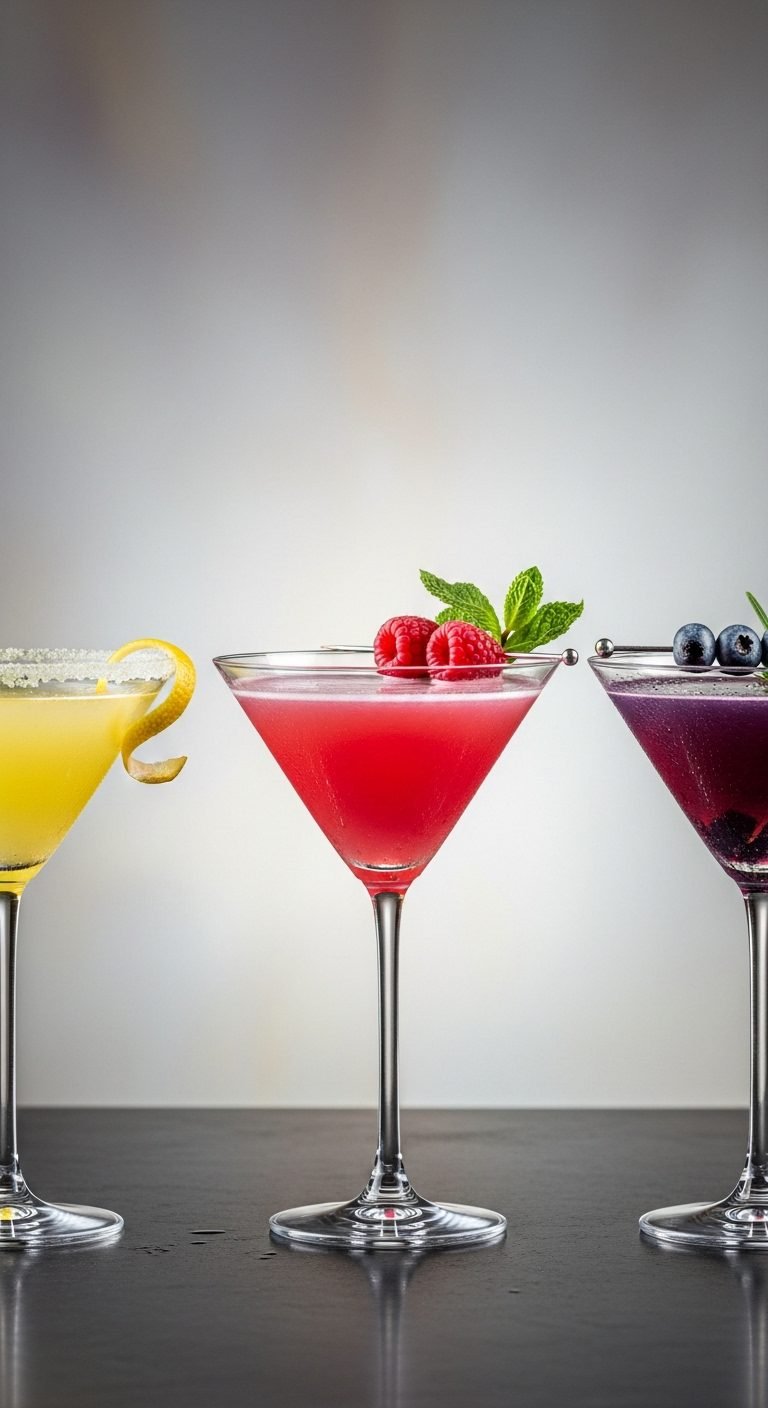
The Raspberry Lemon Drop
This is a popular variation that adds a beautiful pink hue and a berry sweetness. To make this, simply muddle 4-5 fresh raspberries in the bottom of your shaker before adding the ice and liquids. Shake as usual and definitely double strain this one to keep the seeds out. It tastes like a sophisticated pink lemonade.
The Limoncello Drop
If you really want to double down on the citrus flavor, swap the Triple Sec for Limoncello. Limoncello is an Italian lemon liqueur that is sweeter and thicker than Triple Sec. This version is richer and packs a serious lemon punch. It is often a bit sweeter, so you might want to reduce the simple syrup slightly.
The Blueberry Basil Drop
For a garden-fresh take, muddle a few blueberries and a couple of fresh basil leaves in your shaker. The herbal notes of the basil pair surprisingly well with the tart lemon. It is an earthy, sophisticated version that is perfect for summer garden parties.
The Mocktail Version
Designated driver? No problem. You can make a delicious non-alcoholic version. Substitute the vodka with a non-alcoholic spirit (there are many great botanical options on the market now) or simply use coconut water or sparkling water. Shake the lemon juice, syrup, and a splash of orange juice together, then top with soda water in the glass for some fizz.
Pro Tips for the Home Bartender
Want to make your drinks taste like they came from a 5-star hotel bar? Here are a few insider secrets.
- Chill Your Glassware: We mentioned this in the recipe, but it bears repeating. A warm glass kills a cocktail. Serving a cold drink in a frozen glass keeps it at the perfect temperature until the last sip.
- Make Your Own Syrup: Store-bought syrup is fine, but homemade is better and cheaper. Combine 1 cup of sugar and 1 cup of water in a saucepan. Heat until the sugar dissolves—do not boil it down too much. Let it cool and store it in the fridge. It lasts for a month! You can even infuse it with herbs like rosemary or thyme for unique flavor profiles.
- The Ice Matters: If your ice smells like the frozen peas sitting next to it in the freezer, your drink will too. Use fresh ice. Also, larger cubes melt slower, which gives you more control over the dilution when shaking.
- Balance is Key: Lemons vary in acidity. Some are sweet; some are incredibly sour. Always taste your mixture before you pour it into the glass. Dip a straw in, put your finger over the top, and take a tiny taste. Adjust with more syrup or lemon juice as needed.
Cheers to the Perfect Pour
There you have it—everything you need to know to make the ultimate Lemon Drop Martini. It is a drink that manages to be both retro and timeless, simple yet complex. It is the perfect companion for a sunny afternoon, a chic dinner party, or just a Tuesday night when you need a little pick-me-up.
Remember, the best cocktail is the one you enjoy the most. Feel free to tweak the ratios to suit your palate. Maybe you like it extra sour, or perhaps you prefer it on the sweeter side. That is the beauty of home bartending; you are the boss. So go ahead, juice those lemons, shake up some ice, and enjoy the refreshing, zesty magic of a homemade Lemon Drop. Cheers!