Easy Canned Chicken Dinner Recipes
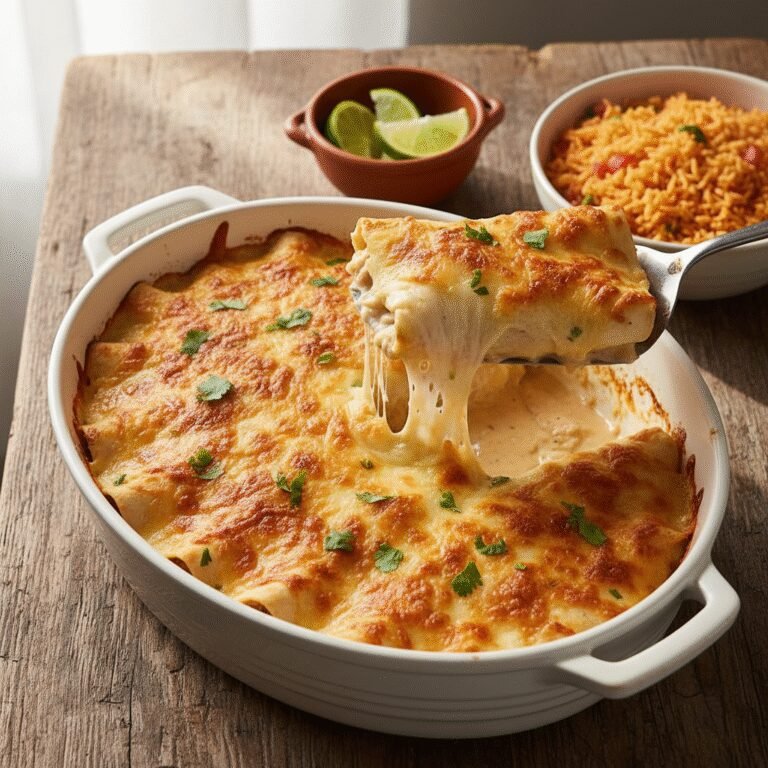
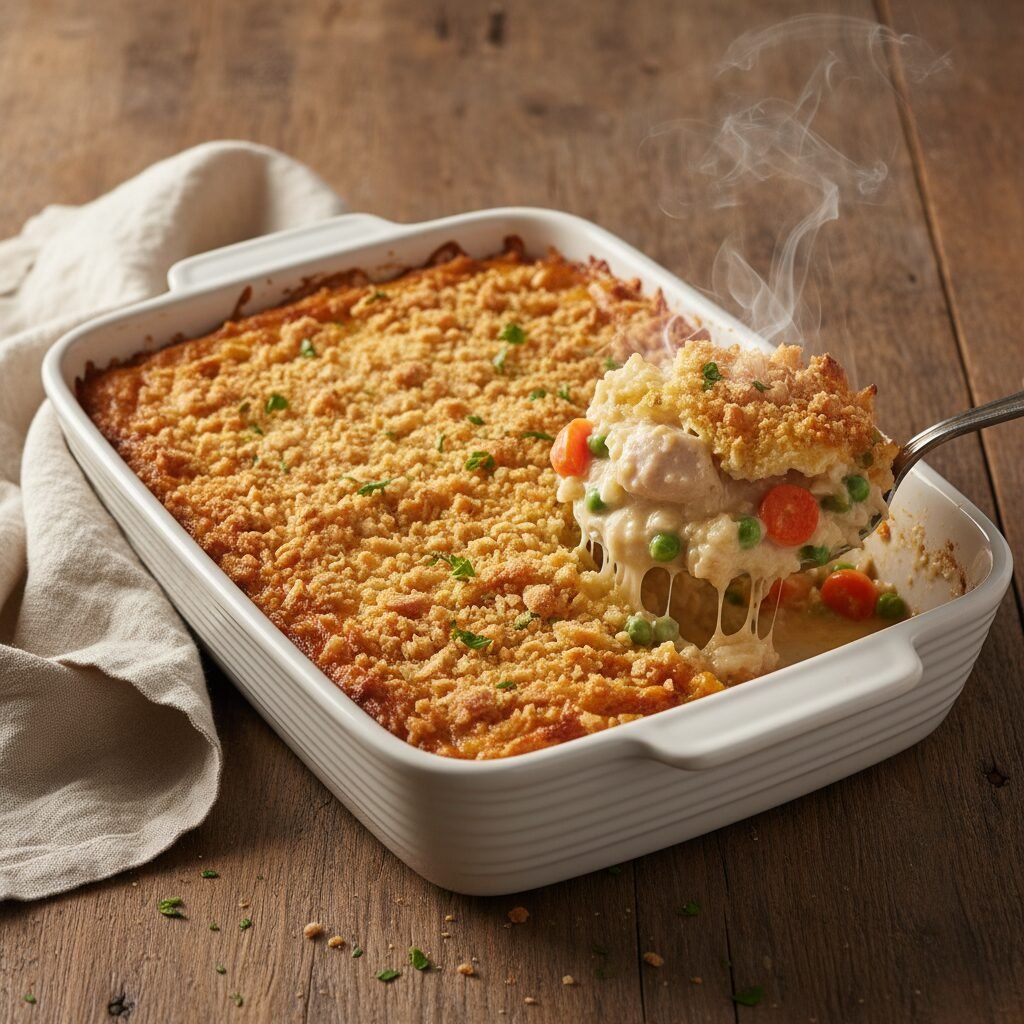
Turn that can of chicken sitting in your pantry into a comforting masterpiece. This creamy, cheesy casserole comes together in under 40 minutes and tastes like a home-cooked meal that simmered all day.
10 minutes
30 minutes
40 minutes
6 Servings
Dinner
Baking
American
Gluten Free
In the bustling world of modern parenting, the pantry is often the last line of defense against the dreaded question: "What’s for dinner?" While fresh ingredients are wonderful, there are evenings when time is scarce, energy is low, and a trip to the grocery store is simply out of the question. Enter the unsung hero of the kitchen staple world: canned chicken breast. Often overlooked or relegated to emergency kits, premium canned chicken is a protein powerhouse that, when treated with the right culinary techniques, can rival rotisserie chicken in texture and flavor.
This article explores the transformative power of this shelf-stable staple through the lens of a comfort food classic: The Creamy Canned Chicken and Rice Casserole. This isn’t just a backup plan; it is a delicious, intentional meal that caters specifically to the busy lifestyles of mothers and professionals who need efficiency without sacrificing taste. By utilizing specific binding agents, aromatic seasonings, and a golden, crunchy topping, we elevate humble ingredients into a dish worthy of your Sunday dinner table. It is the epitome of "Pinterest-perfect" comfort food—bubbly, golden, and deeply satisfying.
We will delve into the best methods for preparing canned chicken to remove any metallic aftertaste, the science behind creating a creamy sauce without a roux, and how to customize this base recipe to fit gluten-free or keto diets. Prepare to change your perspective on canned meat forever.
History & Origins
The history of canned meat dates back to the Napoleonic Wars when the French government offered a prize for a method to preserve food for the army. In 1809, Nicolas Appert, a French confectioner, discovered that sealing food in glass jars and boiling them preserved the contents. However, it was the Englishman Peter Durand who patented the use of tin cans in 1810. Canned chicken, specifically, became a household commodity in the United States post-World War II, as industrial food processing advanced and the demand for convenience foods skyrocketed during the 1950s.
During the mid-20th century, the "casserole era" began to flourish. Marketing campaigns by soup companies encouraged homemakers to combine canned proteins, condensed soups, and starches for economical and hearty meals. This specific iteration—combining chicken, rice, and a creamy binder—is a direct descendant of the "hot dish" culture of the American Midwest, where practicality meets hospitality. Over decades, it has evolved from a survival ration to a nostalgic comfort food, proving that great meals rely more on love and creativity than on expensive, perishable ingredients.
Why This Recipe Works
This recipe succeeds due to the interplay of textures and the stabilization of moisture. Canned chicken is fully cooked and preserved in water, which can sometimes lead to a texture that is too soft if not handled correctly. By draining and rinsing the chicken, we remove excess sodium and starch. Sautéing it briefly or baking it in a casserole allows the exterior of the meat chunks to dry slightly, improving the mouthfeel.
The creamy element works through emulsification. The condensed cream of chicken soup acts as a stable emulsion that bonds the milk and the starches released by the rice. As the rice cooks (or finishes cooking) in the oven, it absorbs the seasoned liquid, becoming infused with flavor rather than just coated in it. The addition of cheese adds fat and salt, which amplifies the savory umami notes. Finally, the topping—usually crushed crackers mixed with butter—provides a critical textural contrast. The Maillard reaction occurs on this topping, creating a browned, nutty flavor profile that cuts through the richness of the creamy rice base.
Why You’ll Love This Recipe
- ✓Ready in under 45 minutes
- ✓Uses 100% pantry and freezer staples
- ✓High protein and kid-friendly
- ✓Budget-conscious meal solution
- ✓Easily customizable with different veggies
- ✓Freezer-friendly for meal prep
Equipment You’ll Need
- ✓9×13 inch Casserole Dish
- ✓Large Mixing Bowl
- ✓Colander
- ✓Whisk
- ✓Measuring Cups and Spoons
- ✓Rubber Spatula
Ingredients
- ✓2 cans (12.5 oz each) Premium Chunk Chicken Breast, drained and rinsed
- ✓3 cups Cooked White Rice (or 3 cups instant rice + extra liquid)
- ✓1 can (10.5 oz) Cream of Chicken Soup (condensed)
- ✓1 cup Sour Cream or Greek Yogurt
- ✓1/2 cup Milk (whole or 2%)
- ✓1 tsp Garlic Powder
- ✓1 tsp Onion Powder
- ✓1/2 tsp Black Pepper
- ✓1 1/2 cups Sharp Cheddar Cheese, shredded and divided
- ✓1 cup Frozen Peas and Carrots, thawed
- ✓1 sleeve Ritz Crackers or Panko Breadcrumbs, crushed
- ✓4 tbsp Unsalted Butter, melted
- ✓Fresh Parsley for garnish
Instructions
- Preheat your oven to 375°F (190°C). Lightly grease a 9×13 inch baking dish with non-stick spray or butter.
- Place the canned chicken in a colander. Rinse thoroughly with cold water to remove the canning liquid and excess sodium. Pat dry with paper towels and use a fork to break up any large chunks.
- In a large mixing bowl, whisk together the cream of chicken soup, sour cream, milk, garlic powder, onion powder, and black pepper until smooth and combined.
- Fold in the cooked rice, drained chicken, thawed vegetables, and 1 cup of the shredded cheddar cheese. Stir gently until everything is evenly coated in the sauce.
- Transfer the mixture to the prepared baking dish. Spread it out into an even layer using a spatula.
- Top the casserole with the remaining 1/2 cup of cheddar cheese.
- In a small bowl, combine the crushed crackers (or breadcrumbs) with the melted butter. Sprinkle this mixture evenly over the top of the casserole.
- Bake for 25-30 minutes, or until the casserole is bubbly around the edges and the topping is golden brown.
- Remove from the oven and let it rest for 5 minutes before serving. This allows the sauce to thicken slightly. Garnish with fresh parsley.
Expert Cooking Tips
- ✓Rinsing is Key: Always rinse canned chicken. It improves the flavor significantly by washing away the metallic ‘tin’ taste.
- ✓Cheese Matters: Grate your own cheese from a block if possible. Pre-shredded cheese contains anti-caking agents that prevent it from melting as smoothly.
- ✓Rice Texture: If using leftover cold rice, break up any clumps before mixing. If using instant rice, ensure you add the appropriate amount of boiling water or broth as per the box instructions directly into the bowl before baking.
- ✓Broil for Crispiness: If the topping isn’t browned enough after 30 minutes, switch the oven to broil for 1-2 minutes, watching closely to prevent burning.
Substitutions and Variations
This recipe is incredibly forgiving and adaptable to whatever you have on hand. If you don’t have Cream of Chicken soup, you can use Cream of Mushroom or Cream of Celery. For a gluten-free version, ensure your condensed soup is certified GF and use gluten-free breadcrumbs instead of crackers. Sour cream can be replaced with plain Greek yogurt for a protein boost, or mayonnaise for a richer flavor. If you prefer not to use canned chicken, this recipe works perfectly with leftover rotisserie chicken or boiled chicken breast. For the veggies, feel free to swap peas and carrots for broccoli florets, corn, or green beans.
Common Mistakes to Avoid
The most common mistake when cooking with canned chicken is skipping the rinse. The canning liquid is very salty and starchy; leaving it in can make the casserole overly salty and mushy. Another error is overcooking the rice beforehand. The rice will continue to cook slightly in the oven, so it should be just tender, not mushy, before mixing. Finally, do not skip the resting period after baking. Cutting into the casserole immediately will result in a runny sauce; waiting 5 minutes allows the emulsifiers to set for the perfect scoop.
Serving Suggestions
This casserole is a rich and hearty meal on its own, but it pairs beautifully with lighter sides to balance the meal. Serve it alongside a crisp green garden salad with a vinaigrette dressing to cut through the creaminess. Steamed broccoli or roasted asparagus are also excellent choices. For a carb-lover’s feast, add a side of garlic bread or dinner rolls. A glass of crisp white wine, like a Sauvignon Blanc, or a cold iced tea complements the savory flavors perfectly.
Storage and Reheating Tips
Refrigeration: Store leftovers in an airtight container in the refrigerator for up to 3-4 days. Reheat individual portions in the microwave or place the dish back in the oven at 350°F until warmed through.
Freezing: You can freeze this casserole before or after baking. If freezing before baking, assemble the dish (without the cracker topping), cover tightly with foil, and freeze for up to 3 months. Thaw in the fridge overnight before baking. Add the topping just before putting it in the oven.
Nutrition Facts (Estimated)
| Serving Size | 1 cup |
| Calories | 380 kcal |
| Fat | 18g |
| Saturated Fat | 9g |
| Unsaturated Fat | 7g |
| Trans Fat | 0g |
| Cholesterol | 65mg |
| Sodium | 850mg |
| Carbohydrates | 32g |
| Fiber | 2g |
| Sugar | 3g |
| Protein | 22g |
Frequently Asked Questions
Is canned chicken actually cooked?
Yes, canned chicken is fully cooked during the canning process. It is pressure-cooked in the can to ensure sterilization and preservation, making it safe to eat directly from the can if desired.
How do I get rid of the ‘canned’ smell?
The best way to remove the specific odor associated with canned meat is to rinse it thoroughly under cold water in a colander. Following this, cooking it with aromatics like garlic and onion powder neutralizes any remaining scent.
Can I use uncooked rice in this casserole?
It is not recommended to use raw regular rice as it requires a specific liquid ratio and time to cook. However, you can use ‘Minute’ or ‘Instant’ rice if you increase the liquid (broth or milk) in the recipe by about 1 cup.
Is this recipe healthy?
This recipe is a comfort food and can be high in sodium and fats. To make it healthier, use low-sodium soup, low-fat sour cream, increase the volume of vegetables, and use brown rice for extra fiber.
Can I make this in a slow cooker?
Yes! Combine all ingredients (except the topping) in a slow cooker. Cook on Low for 3-4 hours. To serve, you can sprinkle the cracker crumbs on top, though they won’t be as crispy as the oven-baked version.
What brand of canned chicken is best?
Look for brands that label their product as ‘Premium Chunk Chicken Breast’ in water. Brands like Costco’s Kirkland Signature, Swanson, or Valley Fresh are generally highly rated for having large chunks and less filler.
Why is my casserole runny?
If the casserole is runny, it likely didn’t rest long enough after baking, or the vegetables released too much water. Ensure frozen veggies are thawed and drained before adding.
Can I add fresh vegetables?
Absolutely. Fresh onions, celery, and bell peppers are great additions. It is best to sauté them in a little butter for 5 minutes before adding them to the mixture to ensure they are soft enough.
Conclusion
Embracing canned chicken doesn’t mean lowering your culinary standards; it means working smarter, not harder. This Creamy Canned Chicken and Rice Casserole proves that you can create a wholesome, flavorful, and satisfying dinner without spending hours in the kitchen or breaking the bank. It is the ultimate testament to the versatility of pantry staples. Whether you are a busy mom needing a quick win or just looking for pure comfort food, this recipe is sure to earn a permanent spot in your meal rotation. So, grab that can from the back of the shelf and get ready to impress!