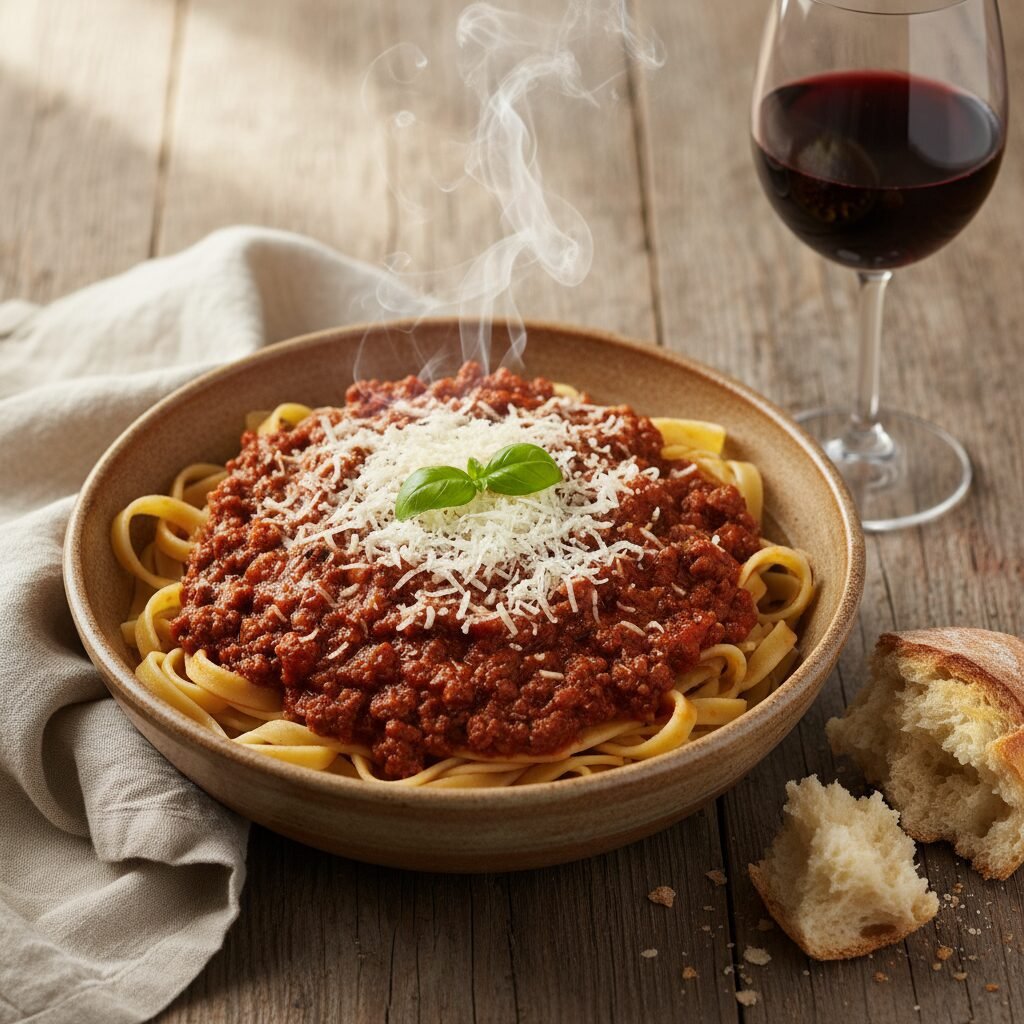
Classic Spaghetti Bolognese
This is not just a pasta sauce; it is a labor of love that transforms humble ingredients into a rich, velvety masterpiece. Perfect for Sunday suppers, this authentic Bolognese sauce clings effortlessly to pasta and warms the soul with every bite.
20 minutes
3 hours
3 hours 20 minutes
8 Servings
Main Course
Stovetop / Simmering
Italian
Omnivore
There are few dishes in the culinary world that evoke a sense of home and comfort quite like a classic Spaghetti Bolognese. For many, the aroma of onions, carrots, and celery sautéing in butter, followed by the deep, savory scent of simmering meat and tomatoes, is the definition of a Sunday afternoon well spent. This recipe moves beyond the quick jarred sauces of busy weeknights and invites you to embrace the art of slow cooking. It is a dish that rewards patience with a depth of flavor that simply cannot be rushed.
In this professional guide, we are stripping back the misconceptions surrounding this global favorite and returning to the roots of a true Ragù alla Bolognese, adapted slightly for the modern home kitchen while respecting traditional techniques. The secret lies not in fancy ingredients, but in the method: the slow rendering of fats, the layering of flavors, and the crucial addition of milk to tenderize the meat. Whether you are hosting a dinner party or preparing a hearty meal for your family, this sauce offers a luxurious texture and a complex profile that balances acidity, creaminess, and savory umami notes.
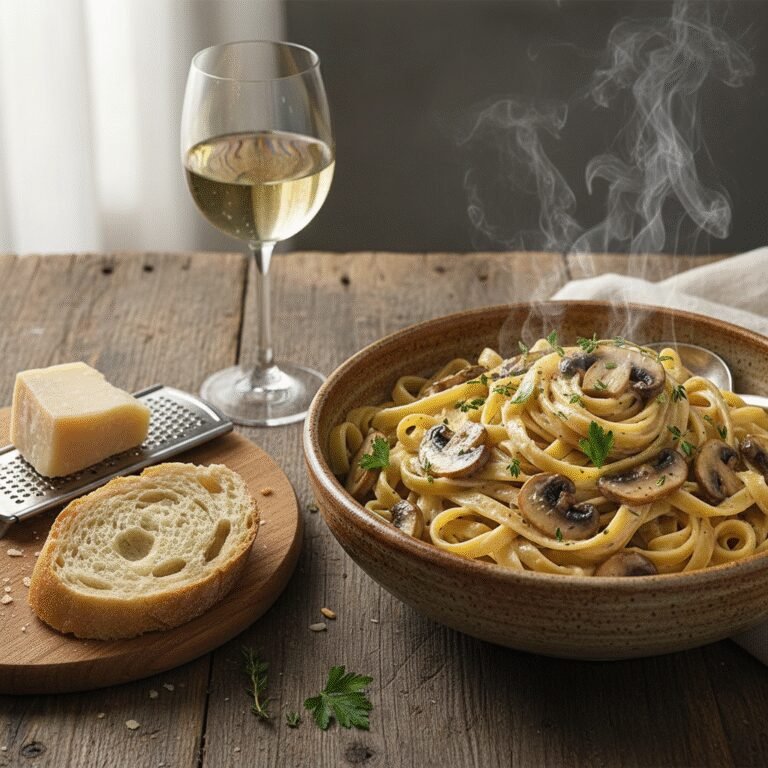
While often served with spaghetti outside of Italy, this thick, heavy sauce pairs magnificently with broad, flat noodles like tagliatelle or pappardelle, which capture the ragu in their folds. However, regardless of your pasta choice, the result is a comforting, nutritious, and deeply satisfying meal that will quickly become a requested staple in your household rotation.
History & Origins
The origins of Bolognese sauce, or Ragù alla Bolognese, can be traced back to the city of Bologna in the Emilia-Romagna region of Italy. Historically, ragus were meat-based sauces served to the wealthy courts of nobility during the Renaissance. The earliest documented recipe for a meat-based pasta sauce from the area dates back to the late 18th century, though it looked quite different from the tomato-heavy version we know today.
In 1982, the Accademia Italiana della Cucina (Italian Academy of Cuisine) officially registered the authentic recipe with the Bologna Chamber of Commerce to preserve the culinary heritage of the city. Traditionalists will tell you that true Bolognese is never served with spaghetti—which is a dried pasta from the south of Italy—but rather with fresh egg tagliatelle. Furthermore, the authentic version relies heavily on meat and aromatics, with tomatoes playing a supporting role rather than the lead.
However, as Italian immigrants traveled the globe, the recipe evolved. The “Spaghetti Bolognese” known and loved in the United States, UK, and Australia is a distinct, international variation. It typically features more tomato sauce and is often served over dried spaghetti. This recipe bridges the gap, utilizing the authentic cooking techniques of Bologna—such as the use of milk and white wine—while providing the saucy consistency that families around the world adore.
Why This Recipe Works
The success of this Bolognese lies in the chemical reactions that occur during the long, slow simmer. We begin with a soffritto—a mixture of finely diced onions, carrots, and celery. Sautéing these vegetables slowly releases their natural sugars, providing a sweet foundation that counteracts the acidity of the tomatoes without the need for added sugar.
One of the most critical, yet often overlooked steps in this recipe, is the addition of whole milk. Added after the meat has browned but before the tomatoes are introduced, the milk boils down and protects the meat from the acidic environment of the wine and tomatoes. The lactic acid in the milk breaks down the tough fibers of the ground beef and pork, resulting in a remarkably tender, melt-in-your-mouth texture rather than chewy granules of meat.
Finally, we use a combination of ground beef and ground pork. Beef provides the deep, robust flavor, while pork, with its higher fat content, adds moisture and sweetness. The long simmer time allows the collagen in the meat to break down into gelatin, thickening the sauce naturally and giving it a silky mouthfeel that coats the pasta perfectly.
Why You’ll Love This Recipe
- ✓Rich, complex flavor profile developed through slow cooking
- ✓Uses the traditional milk technique for incredibly tender meat
- ✓Freezes exceptionally well for meal prep
- ✓Hidden vegetables make it nutritious for children
- ✓Versatile sauce that can be used for Lasagna or stuffed shells
- ✓Budget-friendly ingredients transformed into a gourmet meal
Equipment You’ll Need
- ✓Large heavy-bottomed Dutch oven or pot
- ✓Sharp chef’s knife
- ✓Wooden spoon
- ✓Cutting board
- ✓Measuring cups and spoons
- ✓Large pot for boiling pasta
Ingredients
- ✓2 tablespoons olive oil
- ✓2 tablespoons unsalted butter
- ✓1 large yellow onion, finely diced
- ✓2 medium carrots, finely diced
- ✓2 stalks celery, finely diced
- ✓1 pound ground beef (85% lean)
- ✓1 pound ground pork
- ✓1 cup whole milk
- ✓1 cup dry white wine (or dry red wine)
- ✓1 (28-ounce) can whole San Marzano tomatoes, crushed by hand
- ✓2 tablespoons tomato paste
- ✓1 cup beef stock (low sodium)
- ✓1 teaspoon salt, plus more to taste
- ✓1/2 teaspoon black pepper
- ✓1 pinch ground nutmeg (optional but traditional)
- ✓1 pound dried spaghetti or fresh tagliatelle
- ✓Freshly grated Parmesan cheese for serving
Instructions
- Prepare the Soffritto: In a large Dutch oven or heavy-bottomed pot, heat the olive oil and butter over medium heat. Add the diced onion, carrot, and celery. Cook gently for 8-10 minutes until the vegetables are very soft and translucent, but not browned.
- Brown the Meat: Increase the heat to medium-high. Add the ground beef and ground pork to the pot. Break up the meat with a wooden spoon as it cooks. Cook until the meat is no longer pink and has started to brown slightly. Do not drain the fat; it adds essential flavor and richness.
- Add the Milk: Pour the whole milk into the pot with the meat and vegetables. Reduce the heat to medium and simmer, stirring frequently, until the milk has almost completely evaporated and the meat looks creamy. This step takes about 10-15 minutes and is crucial for tenderness.
- Deglaze with Wine: Pour in the wine. Simmer until the wine has evaporated, similar to the milk step. This layers the acidity into the meat.
- Simmer the Sauce: Stir in the tomato paste and cook for 1 minute to cook off the raw flavor. Add the hand-crushed San Marzano tomatoes (with their juices) and the beef stock. Season with salt, pepper, and a pinch of nutmeg.
- The Long Cook: Bring the sauce to a very low simmer—you want just an occasional bubble breaking the surface. Cover the pot with the lid slightly ajar. Cook for at least 2.5 to 3 hours, stirring occasionally. If the sauce becomes too dry, add a splash of water or broth.
- Cook the Pasta: When the sauce is nearly done, bring a large pot of salted water to a boil. Cook your pasta until al dente according to package directions. Reserve 1 cup of starchy pasta water before draining.
- Combine and Serve: Add the drained pasta directly to the sauce (or mix a portion of sauce and pasta in a skillet). Toss vigorously over medium heat for 1 minute, adding a splash of pasta water if needed to help the sauce cling to the noodles. Serve immediately with generous amounts of freshly grated Parmesan cheese.
Expert Cooking Tips
- ✓Finely Dice Vegetables: Take the time to chop your onion, carrot, and celery very finely. They should almost melt into the sauce by the end of the cooking time, providing texture without large chunks.
- ✓Don’t Skip the Milk: It might seem unusual to add dairy to a tomato meat sauce, but the milk neutralizes the acidity and tenderizes the protein fibers.
- ✓Quality Tomatoes Matter: Use San Marzano tomatoes if possible. They are sweeter, less acidic, and have fewer seeds than standard plum tomatoes.
- ✓The Parmesan Rind: If you have a leftover rind from a block of Parmesan cheese, throw it into the sauce while it simmers for an extra umami boost. Remove before serving.
- ✓Pasta Water is Gold: Never rinse your pasta. The starch on the noodles helps the sauce adhere, and the reserved pasta water is the secret to a glossy, cohesive final dish.
Substitutions and Variations
If you do not eat pork, you can use 2 pounds of ground beef, preferably a mix of lean and fatty cuts (chuck is excellent). Ground turkey or chicken can also be used for a lighter version, though the flavor will be less robust; consider adding a splash of Worcestershire sauce to boost the savory notes. For a dairy-free version, you can omit the milk and butter, using extra olive oil, though the meat texture may be slightly different. If you are gluten-free, simply serve this sauce over your favorite gluten-free pasta or zucchini noodles.
Common Mistakes to Avoid
The most common mistake is rushing the process. Bolognese is not a 30-minute meal; it requires time for flavors to meld and the meat to soften. Another error is draining all the fat from the meat. While you can drain some if it is excessive, that fat carries the flavor of the aromatics and spices. Finally, do not boil the sauce vigorously. A hard boil will toughen the meat and separate the fat from the sauce. A gentle, lazy simmer is what you are aiming for.
Serving Suggestions
Serve this hearty pasta with a side of crusty garlic bread to mop up the remaining sauce. A crisp green salad with a sharp vinaigrette—such as arugula with lemon and parmesan—cuts through the richness of the meat sauce perfectly. For wine pairings, a medium-bodied Italian red like Chianti or Sangiovese complements the acidity of the tomatoes and the richness of the pork.
Storage and Reheating Tips
Bolognese sauce actually tastes better the next day, as the flavors have even more time to marry. Store leftovers in an airtight container in the refrigerator for up to 4 days. This sauce is also one of the best candidates for freezing. Allow it to cool completely, then transfer to freezer-safe bags or containers. It can be frozen for up to 3 months. Thaw overnight in the refrigerator and reheat gently on the stove, adding a splash of water if the sauce has thickened too much.
Nutrition Facts (Estimated)
| Serving Size | 1 cup sauce with pasta |
| Calories | 540 |
| Fat | 22g |
| Saturated Fat | 8g |
| Unsaturated Fat | 12g |
| Trans Fat | 0.5g |
| Cholesterol | 65mg |
| Sodium | 680mg |
| Carbohydrates | 58g |
| Fiber | 4g |
| Sugar | 8g |
| Protein | 26g |
Frequently Asked Questions
Why do you add milk to Bolognese?
Milk is a traditional ingredient in authentic Bolognese. It is added before the tomatoes to protect the meat from the acidity of the wine and tomatoes, and the lactic acid helps tenderize the meat fibers, resulting in a velvety texture.
Should I use red or white wine?
Traditional recipes from Bologna actually call for dry white wine, which provides a crisp acidity without overpowering the delicate flavor of the vegetables and meat. However, red wine is commonly used in international versions and adds a deeper, richer color and flavor. Both work well.
Can I make this in a slow cooker?
Yes. Follow the recipe on the stovetop through step 5 (adding tomatoes and broth). Then, transfer the mixture to a slow cooker and cook on Low for 6-8 hours. The evaporation won’t be as significant, so you may need to reduce the amount of stock slightly.
What is the best pasta shape for Bolognese?
While spaghetti is the most popular choice internationally, fresh egg tagliatelle is the traditional choice. Wide, flat noodles like pappardelle or fettuccine are excellent because their surface area holds the heavy meat sauce better than thin strands.
Do I have to use pork?
No, you can use all beef. However, pork adds a sweetness and fat content that creates a more complex flavor and softer texture. If using all beef, try to use a grind with at least 15-20% fat.
Can I add herbs like basil or oregano?
Authentic Bolognese relies on the flavor of the meat and mirepoix rather than dried herbs. However, if you prefer an ‘Italian-American’ style sauce, you can certainly add dried oregano or fresh basil at the end. Bay leaves are also a common addition during the simmer.
Why is my sauce watery?
A watery sauce usually means it wasn’t simmered long enough or the lid was kept too tight, preventing evaporation. Simmer it uncovered for the last 30 minutes to thicken it up, or add a small amount of pasta water which contains starch.
Is tomato paste necessary?
Yes, tomato paste adds a concentrated umami flavor and depth that canned tomatoes alone cannot provide. Frying it briefly before adding liquids helps caramelize the sugars in the paste.
Conclusion
Classic Spaghetti Bolognese is more than just a recipe; it is a ritual. By dedicating a few hours to the process, you create a meal that is deeply nourishing and undeniably delicious. The magic of the milk, the sweetness of the sofrito, and the richness of the slow-cooked meat come together to form a sauce that is truly worth the wait. Whether you stick to the strict traditions of Bologna or embrace the comforts of the international version, this dish is sure to bring warmth and joy to your family table.