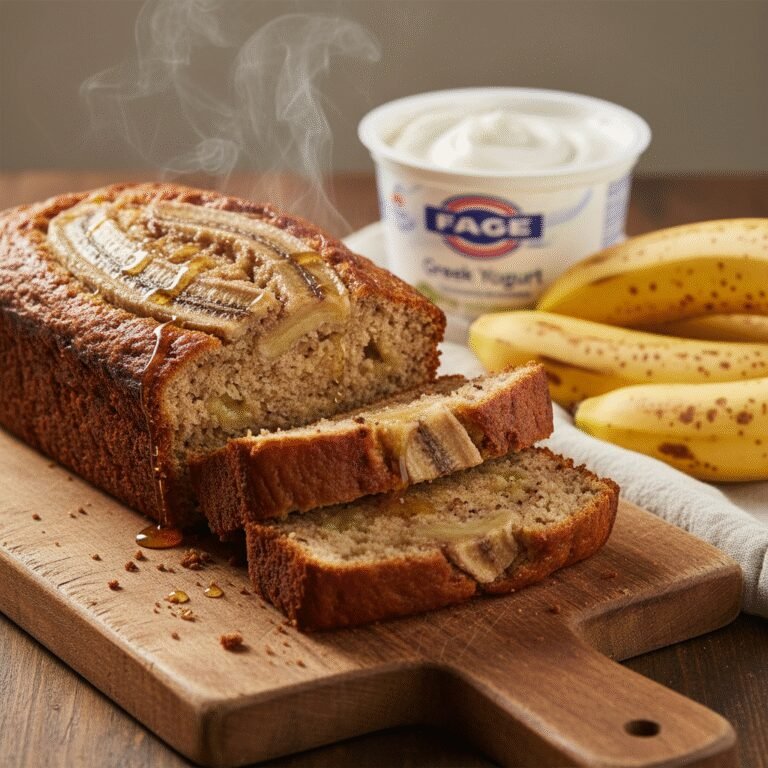
Banana Bread Without Baking Soda
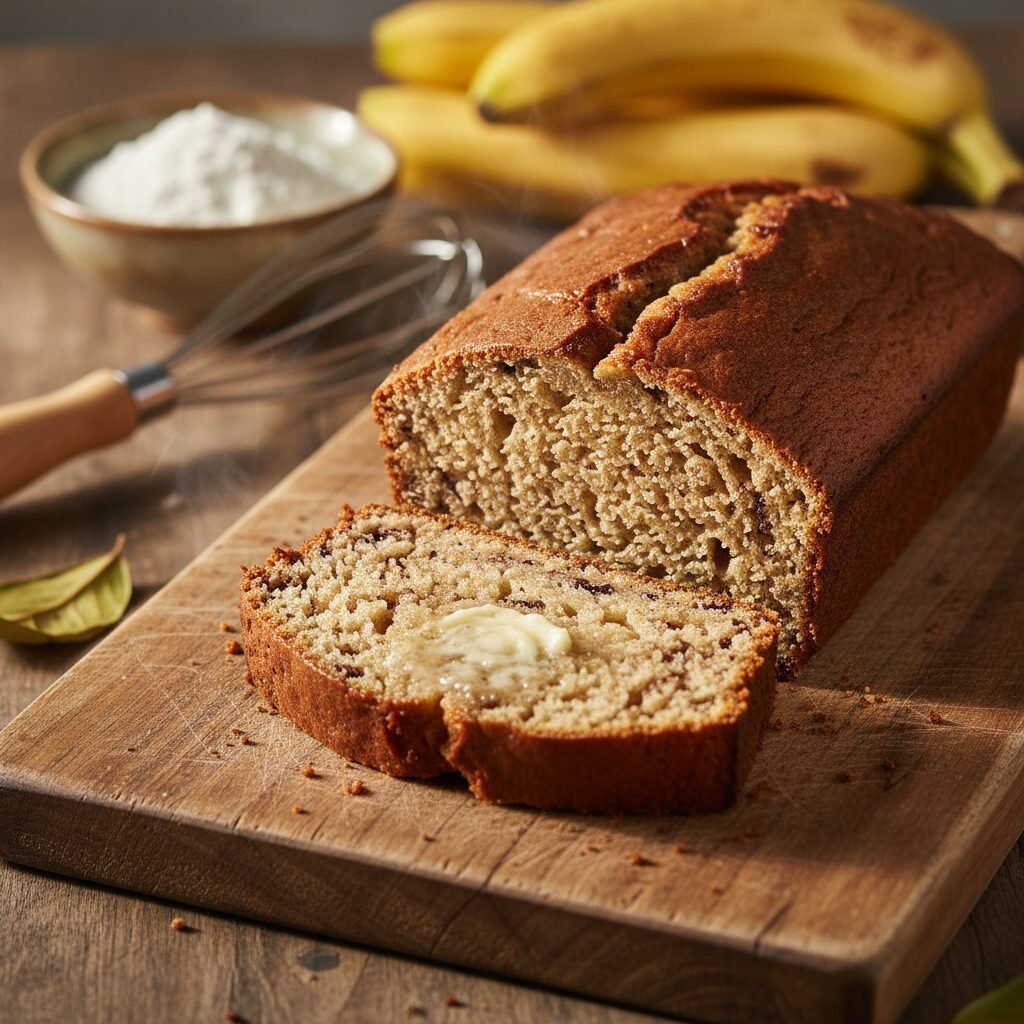
Staring at spotty bananas but realized your baking soda box is empty? This recipe is your savior. We achieve that classic, bakery-style rise and tender crumb using just baking powder, ensuring you never have to waste those bananas again.
10 minutes
55 minutes
1 hour 5 minutes
1 Loaf (10 Slices)
Breakfast / Snack
Baking
American
Vegetarian
We have all been there. You have a counter full of sad, brown-spotted bananas begging to be used. You are mentally prepared for the comforting aroma of banana bread wafting through the kitchen. You get out the butter, the flour, the sugar… and then, disaster strikes. You reach for the little orange box of baking soda, and it is empty. Or worse, it expired three years ago. Panic sets in. Do you toss the bananas? Do you make a run to the store in your pajamas?
Stop right there! Put the car keys down. You do not need baking soda to make incredible banana bread. In fact, making banana bread without baking soda yields a loaf that is just as delicious, fluffy, and moist as the original. By swapping in baking powder and adjusting the ratios slightly, we can create a loaf that rises beautifully without that sometimes soapy aftertaste that too much baking soda can leave behind.
This recipe is designed for busy moms and home bakers who need a reliable, pantry-friendly solution. It is a straightforward, no-fuss method that results in a golden-brown crust and a soft, sweet interior. Whether you are meal prepping for the week or just need a sweet treat for the kids’ lunchboxes, this recipe is about to become your new go-to. Let’s get baking!
History & Origins
Banana bread is a relatively modern invention in the grand timeline of baking history. While bananas have been around for ages, the quick bread we know and love really came into its own during the Great Depression in the United States. During the 1930s, food was scarce, and wasting anything—even a rotting banana—was out of the question. At the same time, chemical leavening agents like baking powder and baking soda were becoming mass-produced and affordable household staples.
Before the widespread availability of baking soda (sodium bicarbonate) and baking powder, bakers relied on yeast or laborious egg-beating to get cakes and breads to rise. The introduction of these chemical leaveners changed everything, allowing for “quick breads” that didn’t require hours of proofing. While traditional recipes often called for baking soda to react with the acidity in the bananas or buttermilk, baking powder—which contains both the base and the acid needed for the reaction—quickly became a versatile alternative. This recipe taps into that history of adaptability, proving that as long as you understand the science, you can bake delicious treats with whatever you have on hand.
Why This Recipe Works
To understand why this recipe works, we need a quick chemistry lesson. Baking soda (sodium bicarbonate) requires an acidic ingredient (like sour cream, buttermilk, or molasses) to activate and create the carbon dioxide bubbles that make bread rise. Bananas are slightly acidic, which is why soda is usually the default choice.
However, baking powder is a complete leavening agent. It contains sodium bicarbonate plus a powdered acid (usually cream of tartar) and a starch to keep it dry. Because baking powder brings its own acid to the party, it doesn’t rely solely on the acidity of the other ingredients to work.
In this recipe, we use a larger quantity of baking powder (typically 3 teaspoons of powder to replace 1 teaspoon of soda) to ensure the heavy banana batter has enough “lift.” This creates a double-acting effect: some rising happens when the wet and dry ingredients mix, and a second burst of rising happens in the heat of the oven. The result? A loaf that is light, fluffy, and perfectly structured, with no risk of being dense or gummy.
Why You’ll Love This Recipe
- ✓No baking soda required
- ✓Uses standard pantry ingredients
- ✓One-bowl cleanup
- ✓Perfectly moist and tender crumb
- ✓Kid-friendly and freezer-safe
- ✓Great way to use overripe bananas
Equipment You’ll Need
- ✓9×5 inch Loaf Pan
- ✓Large Mixing Bowl
- ✓Whisk
- ✓Rubber Spatula
- ✓Fork or Potato Masher
- ✓Measuring Cups and Spoons
- ✓Wire Cooling Rack
Ingredients
- ✓3 large ripe bananas (brown spots are essential)
- ✓1/2 cup unsalted butter, melted and slightly cooled
- ✓3/4 cup granulated sugar (or half brown sugar for moisture)
- ✓1 large egg, room temperature
- ✓1 teaspoon pure vanilla extract
- ✓1 1/2 cups all-purpose flour
- ✓1 tablespoon (3 teaspoons) baking powder
- ✓1/2 teaspoon salt
- ✓1/2 teaspoon ground cinnamon (optional)
- ✓1/2 cup walnuts or chocolate chips (optional add-ins)
Instructions
- Preheat and Prep: Preheat your oven to 350°F (175°C). Grease a 9×5 inch loaf pan with butter or non-stick spray. For extra easy removal, you can line the pan with parchment paper, leaving an overhang on the sides.
- Mash the Bananas: In a large mixing bowl, peel the ripe bananas and mash them well using a fork or a potato masher. You want a consistency that is mostly smooth but still has a few small chunks for texture.
- Mix Wet Ingredients: Pour the melted butter into the mashed bananas. Stir until combined. Add the sugar, egg, and vanilla extract. Whisk vigorously until the mixture is smooth and glossy.
- Add Dry Ingredients: Sprinkle the baking powder, salt, and cinnamon (if using) evenly over the top of the wet mixture. Whisk these surface ingredients lightly to ensure no clumps of baking powder remain, then add the flour.
- Fold Gently: Switch to a rubber spatula and gently fold the flour into the wet mixture. Stop mixing as soon as the flour streaks disappear. Overmixing causes gluten to develop, which leads to tough bread.
- Add Mix-ins: If you are adding nuts or chocolate chips, gently fold them in now.
- Bake: Pour the batter into the prepared loaf pan and smooth the top with your spatula. Bake for 50 to 60 minutes. Check the bread at the 50-minute mark.
- Test for Doneness: Insert a toothpick or cake tester into the center of the loaf. It should come out clean or with just a few moist crumbs attached. If the top is browning too fast but the center is raw, tent the pan loosely with aluminum foil.
- Cool: Remove from the oven and let the bread cool in the pan for about 10 minutes. Then, lift it out onto a wire rack to cool completely before slicing.
Expert Cooking Tips
- ✓Use Very Ripe Bananas: The blacker the peel, the sweeter the bread. Unripe bananas won’t give you that deep flavor or moisture.
- ✓Measure Flour Correctly: Spoon the flour into your measuring cup and level it off. Scooping directly from the bag packs the flour down and can make your bread dry.
- ✓Check Your Baking Powder: Since baking powder is the heavy lifter here, make sure it is fresh. If it’s expired, your bread won’t rise.
- ✓Don’t Overmix: This is the golden rule of quick breads. Mix just until combined to keep it tender.
- ✓Room Temperature Egg: A room temperature egg incorporates better into the batter, creating a more uniform texture.
Substitutions and Variations
Butter Substitute: You can substitute the melted butter with an equal amount of vegetable oil, canola oil, or even melted coconut oil. Oil tends to make the bread slightly moister and keeps it soft for longer.
Sugar Swap: Feel free to use brown sugar instead of white sugar for a deeper, caramel-like flavor. You can also use coconut sugar.
Flour Options: You can use white whole wheat flour for half of the all-purpose flour to add some fiber. If you need this to be gluten-free, use a high-quality 1:1 gluten-free baking flour blend.
Self-Rising Flour: If you have self-rising flour, you can use that instead of all-purpose flour. If you do this, omit the baking powder and salt from the recipe, as self-rising flour already contains them.
Common Mistakes to Avoid
The most common mistake when making banana bread without baking soda is underestimating the amount of baking powder needed. Baking soda is about three to four times stronger than baking powder, so you cannot just swap them 1:1. You must use at least 3 teaspoons of baking powder to replace 1 teaspoon of soda to get the right lift.
Another mistake is slicing the bread while it is too hot. I know, the smell is irresistible! But banana bread continues to set as it cools. If you cut it straight out of the oven, it may appear gummy or crumble apart. Let it rest for at least 20-30 minutes.
Serving Suggestions
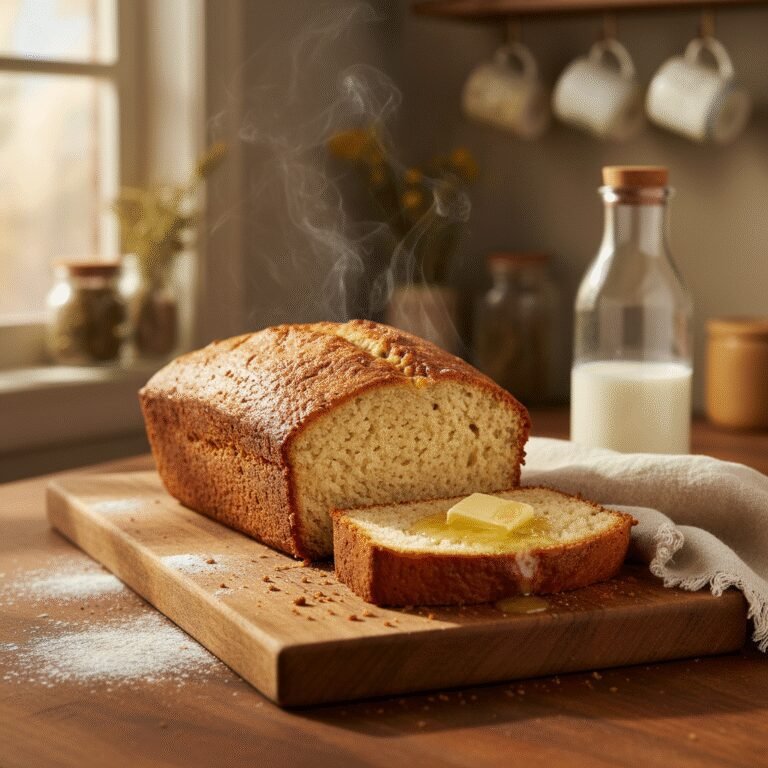
This bread is heavenly when served slightly warm. Slather a thick slice with salted butter, cream cheese, or a drizzle of honey. For a decadent breakfast, toast a slice and top it with peanut butter and fresh banana slices. It also pairs perfectly with a hot cup of coffee or a cold glass of milk for the kids.
Storage and Reheating Tips
Counter: Store the cooled bread in an airtight container or wrapped tightly in plastic wrap at room temperature for up to 3 days. The moisture actually redistributes on the second day, making it even better!
Fridge: If you live in a humid climate, you can store it in the fridge for up to a week, though this may dry it out slightly.
Freezer: This bread freezes beautifully. Wrap individual slices in plastic wrap and then place them in a freezer bag. Freeze for up to 3 months. Thaw on the counter or pop a slice in the toaster for a quick snack.
Nutrition Facts (Estimated)
| Serving Size | 1 Slice |
| Calories | 245 |
| Fat | 9g |
| Saturated Fat | 5g |
| Unsaturated Fat | 3g |
| Trans Fat | 0g |
| Cholesterol | 45mg |
| Sodium | 180mg |
| Carbohydrates | 38g |
| Fiber | 2g |
| Sugar | 14g |
| Protein | 4g |
Frequently Asked Questions
Can I use self-rising flour instead?
Yes! If you use self-rising flour, simply omit the baking powder and salt listed in the ingredients. Self-rising flour is essentially all-purpose flour with baking powder and salt already mixed in.
Why is my banana bread dense?
Dense bread is usually caused by overmixing the batter (developing too much gluten) or using expired baking powder. Ensure you fold the ingredients gently and check the date on your baking powder tin.
Can I reduce the sugar?
Yes, you can reduce the sugar to 1/2 cup if your bananas are extremely ripe and sweet. The texture might change slightly, becoming a bit more bread-like and less cake-like.
What if I only have 2 bananas?
If you are short on bananas, you can make up the difference with applesauce or yogurt to reach about 1 cup of mashed fruit total. The flavor will be milder, but the texture will remain moist.
Why did my bread sink in the middle?
Sinking usually happens if the oven door was opened too early (letting heat escape) or if the bread was underbaked. It can also happen if there is too much liquid in the batter relative to the flour.
Can I make this into muffins?
Absolutely. Pour the batter into a greased muffin tin. Bake at 350°F for 20-25 minutes. This recipe should yield about 12 standard muffins.
Does it taste different without baking soda?
Honestly, most people cannot tell the difference. In fact, some prefer it because baking powder eliminates the risk of that metallic, soapy taste that occurs if baking soda isn’t fully neutralized by acid.
How do I ripen bananas quickly?
If your bananas are yellow, bake them (unpeeled) on a baking sheet at 300°F for 15-20 minutes until the skins turn black. Let them cool before peeling and mashing.
Conclusion
There you have it—the ultimate guide to making Banana Bread Without Baking Soda. It is a testament to the fact that baking doesn’t always have to be rigid. With a little knowledge of substitutions, you can turn a “pantry emergency” into a delicious triumph. This loaf is soft, aromatic, and comforting, proving that you don’t need every single ingredient perfectly aligned to make something wonderful for your family.
So next time you spot those brown bananas and realize the baking soda is missing, smile and reach for the baking powder instead. Your house will still smell amazing, and your family will still devour every crumb. Happy baking!