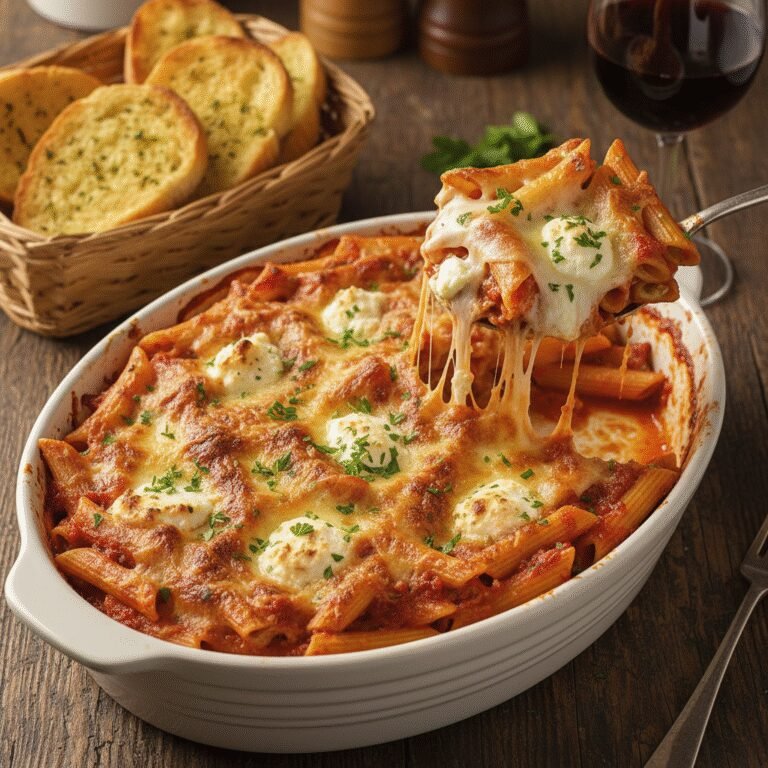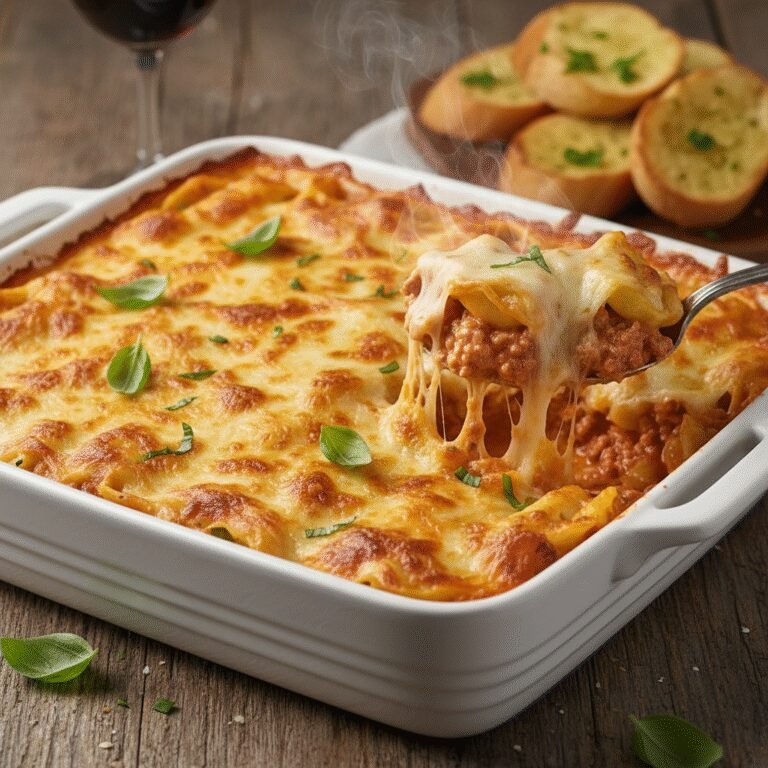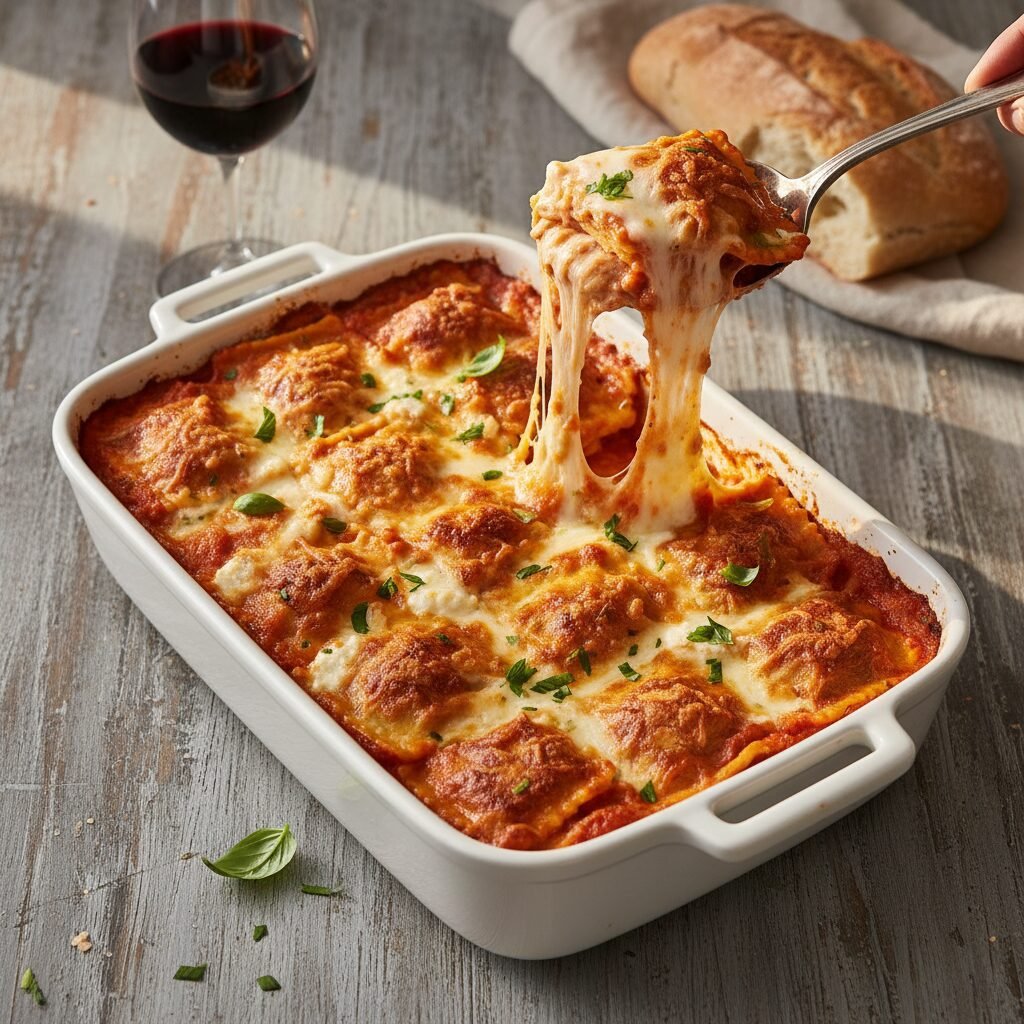
Baked Ravioli Casserole
Imagine all the comforting flavors of a traditional homemade lasagna but with a fraction of the effort. This Baked Ravioli Casserole utilizes frozen ravioli to create a bubbling, cheesy masterpiece that requires no boiling and minimal prep time, making it the perfect solution for busy families.
10 minutes
45 minutes
55 minutes
8 servings
Dinner
Baking
Italian-American
Vegetarian
In the pantheon of comfort foods, few dishes rival the warm, cheesy embrace of baked pasta. However, the reality of modern parenting and professional life often leaves little room for the labor-intensive process of constructing a classic lasagna or stuffing individual shells. Enter the Baked Ravioli Casserole, a culinary revelation that bridges the gap between gourmet aspirations and weeknight fatigue. This dish is affectionately known in many culinary circles as ‘lazy lasagna,’ yet that moniker does a disservice to the sophisticated texture and depth of flavor it achieves.
The beauty of this recipe lies in its ingenious use of frozen ravioli. By bypassing the boiling pot entirely, we not only save time but also enhance the final texture of the pasta. The ravioli cooks directly in the sauce, absorbing the aromatic notes of garlic, basil, and tomatoes as it tenderizes. The result is a cohesive, harmonious casserole where the pasta is infused with flavor rather than simply coated in it. Topped with a generous blanket of bubbling mozzarella and sharp Parmesan, this dish offers the requisite ‘cheese pull’ that delights children and adults alike.
Furthermore, this casserole is a chameleon of the kitchen. It serves as a robust vegetarian main course but welcomes the addition of Italian sausage, ground beef, or sautéed spinach for those seeking extra protein or nutrients. It is a meal that forgives imperfection and rewards creativity, making it an essential addition to your rotating dinner repertoire. Whether you are hosting a casual Sunday family dinner or scrambling to put food on the table after soccer practice, this Baked Ravioli Casserole delivers consistent, heartwarming results.
History & Origins
The concept of pasta al forno (baked pasta) is deeply rooted in Southern Italian tradition, where dishes were often assembled with ragù, cheese, and pasta, then baked in wood-fired ovens to create a crispy, golden crust. Historically, these dishes were reserved for Sundays and holidays due to the time-consuming nature of making fresh pasta and slow-cooked sauces. The most famous iteration, Lasagna alla Bolognese, dates back centuries and represents the pinnacle of this layered technique.
The evolution of the Baked Ravioli Casserole, however, is a distinctly modern, Italian-American innovation. It emerged prominently in the mid-20th century, coinciding with the rise of frozen food technology and the widespread availability of commercial pasta products in American supermarkets. As home cooks sought to replicate the flavors of their favorite Italian trattorias without spending hours in the kitchen, they began experimenting with convenience items. The ‘dump-and-bake’ method gained popularity in the 1980s and 90s, driven by working mothers who needed hearty meals that could be assembled quickly. Today, this dish stands as a testament to the adaptation of Old World flavors to New World lifestyles, proving that convenience does not always require a sacrifice in quality.
Why This Recipe Works
From a culinary science perspective, the success of this Baked Ravioli Casserole hinges on the absorption capabilities of the pasta and the interplay between starch and acid. Typically, pasta is boiled in salted water to rehydrate the semolina structure. In this recipe, we skip the boiling step, allowing the frozen ravioli to rehydrate using the water content found within the marinara sauce. As the ravioli cooks, it releases surface starch into the surrounding sauce. This starch acts as a natural thickening agent, binding the marinara to the pasta and preventing the casserole from becoming watery—a common pitfall in baked pasta dishes.
Additionally, the layering technique ensures thermal insulation. By burying the ravioli between layers of sauce and cheese, we create a steaming environment within the baking dish. This gentle, moist heat cooks the pasta evenly from the outside in, ensuring the filling (whether ricotta, spinach, or meat) remains hot and creamy without drying out. The final uncovered baking period is crucial for the Maillard reaction, where the amino acids and sugars in the mozzarella cheese brown, creating that irresistible golden, nutty crust that contrasts perfectly with the soft, tender interior.
Why You’ll Love This Recipe
- ✓Ready in under 60 minutes
- ✓No boiling required for the pasta
- ✓Freezer-friendly for meal prep
- ✓Kid-approved cheesy flavor
- ✓Easily customizable with veggies or meat
- ✓One-dish cleanup
Equipment You’ll Need
- ✓9×13 inch Baking Dish
- ✓Aluminum Foil
- ✓Large Spatula
- ✓Cheese Grater
- ✓Measuring Cups
Ingredients
- ✓1 package (25-30 oz) Frozen Cheese Ravioli (do not thaw)
- ✓1 jar (24 oz) Marinara Sauce (high quality)
- ✓2 cups Mozzarella Cheese, shredded
- ✓1/2 cup Parmesan Cheese, grated
- ✓1/2 cup Water or Vegetable Broth (to thin sauce slightly)
- ✓1 teaspoon Italian Seasoning
- ✓1/2 teaspoon Garlic Powder
- ✓Fresh Parsley or Basil for garnish
Instructions
- Preheat and Prep: Preheat your oven to 400°F (200°C). Lightly grease a 9×13 inch baking dish with non-stick spray or olive oil.
- Prepare Sauce: In a bowl or jar, mix the marinara sauce with the 1/2 cup of water (or broth). This extra liquid is essential as the dry pasta will absorb it during baking.
- First Layer: Spread approximately 3/4 cup of the sauce mixture across the bottom of the baking dish to prevent sticking.
- Layer Ravioli: Arrange half of the frozen ravioli in a single layer over the sauce. It is okay if they overlap slightly, but try to keep them even.
- Add Cheese and Sauce: Top the ravioli with half of the remaining sauce, followed by 1 cup of shredded mozzarella cheese.
- Repeat: Repeat the layers with the remaining ravioli, the remaining sauce, and the remaining mozzarella cheese. Sprinkle the top evenly with the Parmesan cheese, Italian seasoning, and garlic powder.
- Bake Covered: Cover the baking dish tightly with aluminum foil (tent the foil slightly so it doesn’t stick to the cheese). Bake for 30 minutes.
- Bake Uncovered: Remove the foil carefully. Bake for another 10-15 minutes, or until the cheese is bubbly and slightly browned spots appear.
- Rest and Serve: Remove from the oven and let the casserole rest for 10 minutes. This allows the sauce to set and makes serving easier. Garnish with fresh herbs before slicing.
Expert Cooking Tips
- ✓Don’t Thaw: Keep the ravioli frozen until the moment you assemble. Thawing them beforehand can lead to mushy pasta.
- ✓Cheese Matters: Grate your own mozzarella from a block if possible. Pre-shredded cheese contains anti-caking agents (cellulose) that prevent it from melting into a smooth, gooey layer.
- ✓Sauce Selection: Since this recipe has few ingredients, the quality of your marinara sauce heavily dictates the flavor. Choose a robust, flavorful sauce with low sugar content.
- ✓Tent the Foil: Cheese loves to stick to foil. Spray the underside of the foil with a little oil or tent it to keep your cheesy crust intact.
Substitutions and Variations
This recipe is highly adaptable to various dietary needs and pantry staples. If you are gluten-sensitive, simply swap the standard ravioli for a gluten-free variety; the cooking method remains the same. For a heartier, carnivorous version, brown 1 pound of Italian sausage or ground beef and mix it into your marinara sauce before layering. If you want to sneak in vegetables for the kids, layer fresh baby spinach or sautéed zucchini slices between the ravioli and the cheese. For a vegan alternative, utilize dairy-free ravioli and a high-quality vegan mozzarella melt.
Common Mistakes to Avoid
The most frequent error is boiling the ravioli first. This results in an overcooked, unstructured mess because the pasta cooks twice. Trust the process; the oven will do the work. Another common mistake is using too little sauce. The dry pasta needs moisture to rehydrate; if your jar of sauce is thick, do not skip adding the extra water or broth, otherwise, you will end up with crunchy, undercooked edges. Finally, skipping the resting period is a tragedy. Cutting into the casserole immediately out of the oven causes the layers to slide apart and the sauce to pool; waiting 10 minutes ensures a perfect, photogenic slice.
Serving Suggestions
To balance the richness of the cheese and pasta, serve this casserole with a crisp, acidic side dish. A classic Caesar salad or a mixed green salad with a sharp balsamic vinaigrette works wonders to cleanse the palate. For a complete Italian-American feast, add a side of garlic bread or focaccia to sop up any remaining marinara sauce. Roasted vegetables, such as broccoli rabe or asparagus with lemon zest, also provide a nice nutritional boost and color contrast.
Storage and Reheating Tips
Refrigerator: Store leftovers in an airtight container in the fridge for up to 3-4 days. Reheat individual portions in the microwave or place the dish back in the oven covered with foil at 350°F until warmed through.
Freezer: This is an excellent freezer meal. You can freeze the unbaked assembled casserole (wrapped tightly in plastic wrap and foil) for up to 3 months. To bake from frozen, remove plastic, cover with foil, and add 15-20 minutes to the covered baking time.
Leftovers: Freezing cooked leftovers is possible but may result in slightly softer pasta upon reheating.
Nutrition Facts (Estimated)
| Serving Size | 1 cup |
| Calories | 420 kcal |
| Fat | 18g |
| Saturated Fat | 9g |
| Unsaturated Fat | 7g |
| Trans Fat | 0g |
| Cholesterol | 65mg |
| Sodium | 850mg |
| Carbohydrates | 45g |
| Fiber | 4g |
| Sugar | 6g |
| Protein | 22g |
Frequently Asked Questions
Do I really not need to boil the ravioli?
Correct! Do not boil the ravioli. They will cook perfectly in the moisture from the sauce while baking.
Can I use fresh refrigerated ravioli instead of frozen?
Yes, but you will need to reduce the cooking time. Bake covered for only 20 minutes and uncovered for 10 minutes, as fresh pasta cooks much faster.
Why is my casserole watery?
This can happen if vegetables that release a lot of water (like raw zucchini or frozen spinach) were added without being precooked, or if the sauce was too thin. Let it rest longer after baking to allow liquids to reabsorb.
Can I make this ahead of time?
Absolutely. You can assemble the entire casserole in the morning, keep it refrigerated, and pop it in the oven for dinner. You may need to add 5-10 minutes to the bake time if it’s going in cold.
What kind of sauce is best?
A marinara or tomato-basil sauce works best. However, you can also use an Alfredo sauce for a white ravioli bake, or a meat sauce (Bolognese) for extra protein.
Can I use meat ravioli?
Yes, meat-filled ravioli work just as well as cheese. Just ensure the internal temperature reaches 165°F for food safety.
How do I know when it is done?
The sauce should be bubbling vigorously around the edges, the cheese should be fully melted and browning, and a fork should easily slide through the center ravioli.
Is this spicy?
Not inherently, but you can make it spicy by adding red pepper flakes to the sauce or using a spicy Arrabbiata sauce.
Conclusion
Baked Ravioli Casserole is the unsung hero of the busy weeknight kitchen. It delivers the soulful satisfaction of a slow-cooked Italian meal with the efficiency required by modern life. By keeping a bag of ravioli in the freezer and a jar of sauce in the pantry, you are always just one hour away from a meal that brings the whole family to the table. Give this recipe a try next time you feel the urge to order takeout—it is faster, healthier, and infinitely more delicious.