Loaded Baked Potato Casserole Holiday
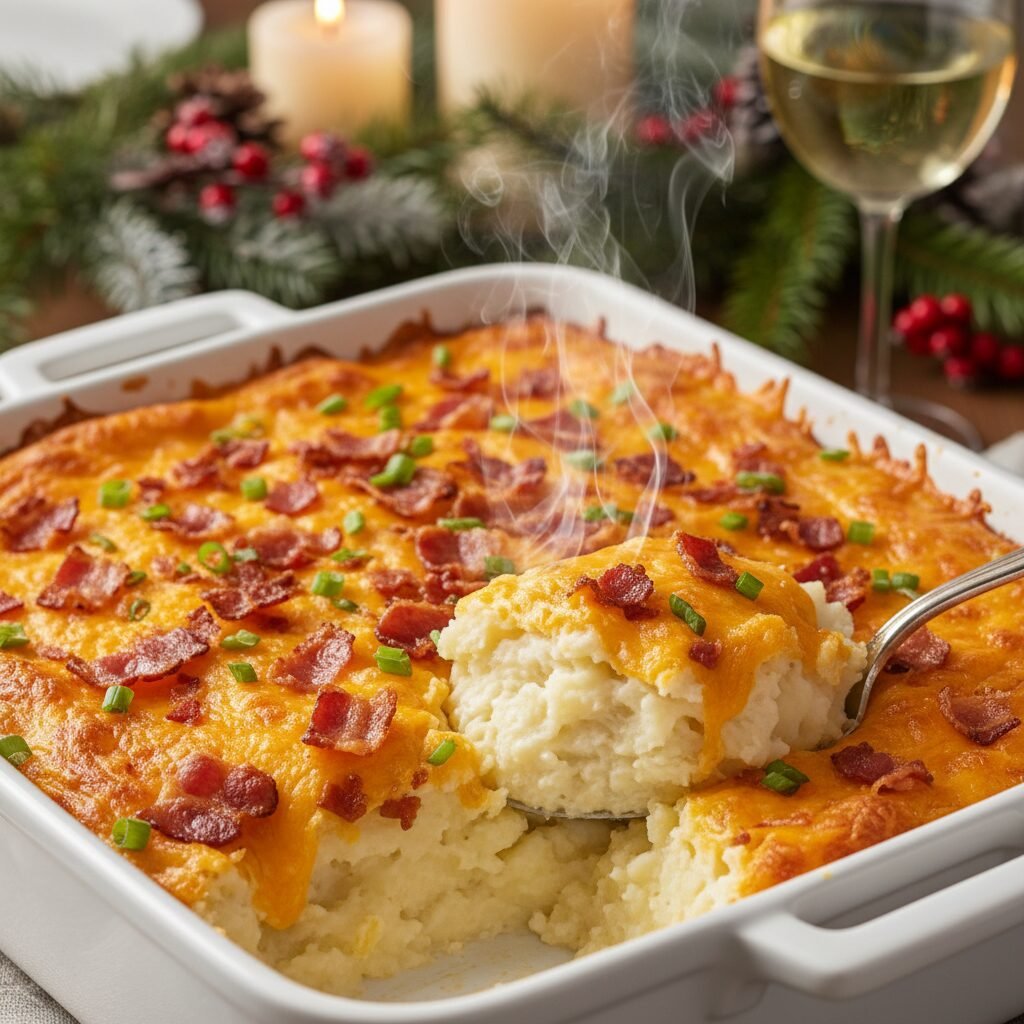
Imagine all the best parts of a fully loaded baked potato—crispy bacon, gooey cheese, and fluffy potatoes—mashed into one comforting casserole. It is the ultimate make-ahead side dish that is guaranteed to steal the show at your next holiday gathering!
20 minutes
45 minutes
1 hour 5 minutes
10 Servings
Side Dish
Baking
American
Gluten Free
Let’s be honest, ladies: when it comes to the holiday dinner table, the main course might get the glory, but the side dishes are where the real magic happens. And nothing screams "comfort food" quite like potatoes. But we aren’t talking about just any potatoes today. We are leveling up your standard mash with this Loaded Baked Potato Casserole. It is basically a hug in a casserole dish.
As a mom, I know the struggle of trying to please everyone. You have the picky eaters, the "meat and potatoes" crowd, and the relatives who expect something spectacular. This recipe is my secret weapon. It combines the fluffy texture of mashed potatoes with the savory, indulgent toppings of a restaurant-style baked potato. It is creamy, savory, cheesy, and topped with just the right amount of crispy bacon crunch.
The best part? It is incredibly forgiving and easy to make ahead of time. You can prep it the day before, pop it in the fridge, and just bake it while the turkey or ham rests. It frees up your stove and your sanity! Whether you are hosting Thanksgiving, Christmas, or just a cozy Sunday family dinner, this casserole is about to become your new family tradition.
History & Origins
The history of the potato is a long and winding road, originating in the Andes of South America before taking Europe by storm in the 16th century. However, the concept of the "Loaded Baked Potato" is a distinctly American innovation that gained massive popularity in the mid-20th century.
While baked potatoes were a staple for decades, the trend of piling them high with toppings like sour cream, chives, bacon, and cheese really took off in the casual dining explosion of the 1970s and 80s. Restaurants realized that by adding high-fat, high-flavor toppings, they could transform a cheap side dish into a premium menu item.
This casserole version is the natural evolution of that concept, born out of the mid-century American love affair with the casserole dish. It takes the individual components of the loaded potato and communalizes them, making it easier to serve a crowd at potlucks and church suppers without having to bake and stuff individual potatoes.
Why This Recipe Works
This recipe works because it balances texture and flavor profiles perfectly. First, we use Russet potatoes. Russets are high-starch potatoes, which means they break down easily and become incredibly fluffy when boiled and mashed. This provides the perfect light canvas for the heavy mix-ins.
Culinary-wise, we are creating an emulsion of fat and starch. By adding butter, sour cream, and milk to the hot potatoes, the starch granules absorb the fat, creating that luxurious, velvety mouthfeel. The sharp cheddar cheese adds a necessary acidic tang and saltiness that cuts through the blandness of the potato.
Finally, the texture contrast is key. If the dish were just soft mash, it would be boring. The inclusion of crispy bacon bits and the slight bite of fresh green onions provides the necessary crunch and freshness to balance the rich, creamy base.
Why You’ll Love This Recipe
- ✓Feeds a large crowd easily
- ✓Can be made 24 hours in advance
- ✓Perfect balance of creamy and crispy textures
- ✓Kid-friendly and picky-eater approved
- ✓Uses simple, budget-friendly ingredients
- ✓Reheats beautifully for leftovers
Equipment You’ll Need
- ✓Large stockpot for boiling
- ✓Colander
- ✓Potato masher or ricer
- ✓9×13 inch baking dish
- ✓Large skillet (for bacon)
- ✓Mixing bowl
- ✓Chef’s knife
Ingredients
- ✓5 lbs Russet potatoes, peeled and cut into 1-inch chunks
- ✓1 tablespoon salt (for boiling water)
- ✓1 cup unsalted butter, softened
- ✓1 cup sour cream (full fat is best)
- ✓1/2 cup whole milk or heavy cream, warmed
- ✓2 teaspoons garlic powder
- ✓1 teaspoon onion powder
- ✓1 teaspoon freshly ground black pepper
- ✓1/2 teaspoon salt (adjust to taste)
- ✓3 cups sharp cheddar cheese, shredded (divided)
- ✓1 lb bacon, cooked until crispy and crumbled (divided)
- ✓1 bunch green onions, sliced thin (green and white parts separated)
Instructions
- Preheat your oven to 375°F (190°C). Grease a 9×13 inch baking dish with butter or non-stick spray.
- Place the peeled and cubed potatoes in a large stockpot. Cover with cold water by about an inch and add the tablespoon of salt. Bring to a boil over high heat.
- Reduce heat to medium-low and simmer for 15-20 minutes, or until the potatoes are very tender and fall apart easily when pierced with a fork.
- While potatoes boil, cook your bacon in a skillet until crispy. Drain on paper towels and crumble. Set aside.
- Drain the potatoes well in a colander. Return them to the hot pot for a minute to let excess steam evaporate (this prevents watery casserole!).
- Add the softened butter, sour cream, warm milk, garlic powder, onion powder, salt, and pepper to the potatoes. Mash until creamy and combined. Do not over-mix or they can become gluey.
- Fold in 2 cups of the cheddar cheese, half of the bacon crumbles, and the white parts of the green onions.
- Spread the potato mixture evenly into the prepared baking dish.
- Bake uncovered for 25-30 minutes, or until the casserole is heated through and slightly bubbly around the edges.
- Remove from oven and top with the remaining 1 cup of cheese and the remaining bacon.
- Return to the oven for another 5-10 minutes until the cheese is melted and bubbly.
- Garnish with the green parts of the green onions just before serving. Enjoy warm!
Expert Cooking Tips
- ✓Use Russet Potatoes: They have the highest starch content, ensuring a fluffy texture. Waxy potatoes like red or Yukon Gold can result in a gummy texture for this specific casserole.
- ✓Warm the Dairy: Don’t add cold milk to hot potatoes; it cools them down too fast and affects the texture. Warm the milk or cream slightly in the microwave first.
- ✓Shred Your Own Cheese: Pre-shredded cheese is coated in cellulose (anti-caking agent) which prevents it from melting smoothly. Grating a block of cheddar takes 2 minutes and tastes much better.
- ✓Don’t Over-Mash: Use a hand masher or ricer. Using an electric mixer or food processor can break down the starch cells too much, turning your potatoes into a gluey paste.
Substitutions and Variations
If you are looking to lighten things up or just use what you have on hand, there are options! You can swap the sour cream for plain Greek yogurt for a protein boost and slightly tangier flavor. If you don’t have heavy cream, half-and-half or regular whole milk works just fine.
For a vegetarian version, simply omit the bacon or use a soy-based bacon bit alternative (though fresh is always best!). If you aren’t a fan of cheddar, Colby Jack, Pepper Jack (for a kick), or Gruyere (for a fancy twist) all melt beautifully in this dish.
Common Mistakes to Avoid
The biggest mistake people make is watery potatoes. Make sure you drain the boiled potatoes thoroughly. I always put the drained potatoes back in the hot pot on the stove (turned off) for a minute or two to let the residual heat evaporate the extra moisture.
Another common issue is under-seasoning. Potatoes soak up a lot of salt. Taste your mash before you put it in the baking dish! If it tastes bland now, it will taste bland later. Add more salt and pepper until the flavors pop.
Serving Suggestions
This casserole is rich, so it pairs best with lean proteins or simple roasts. It is the perfect companion to a Holiday Ham, Roast Turkey, or a simple Grilled Steak.
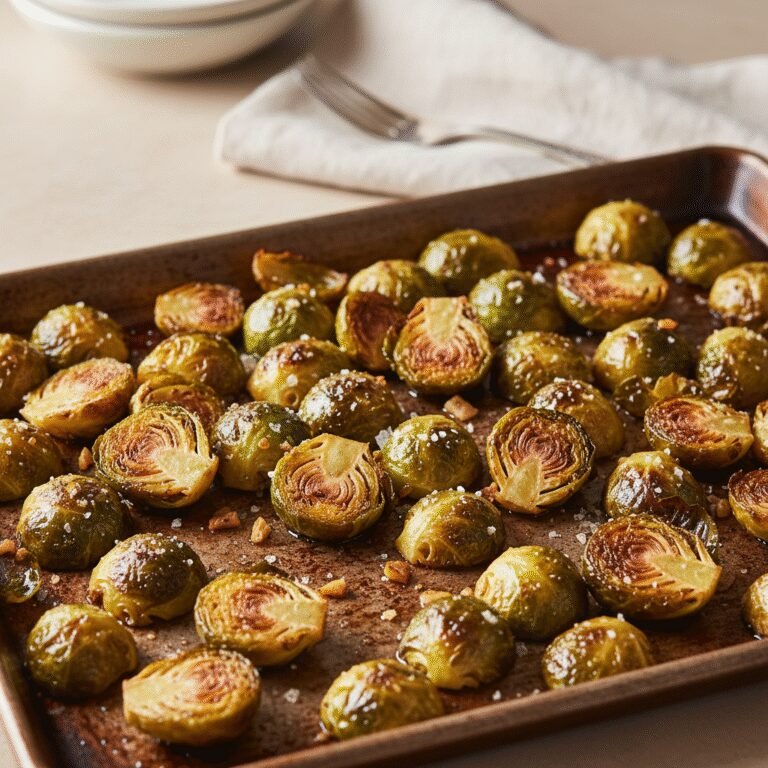
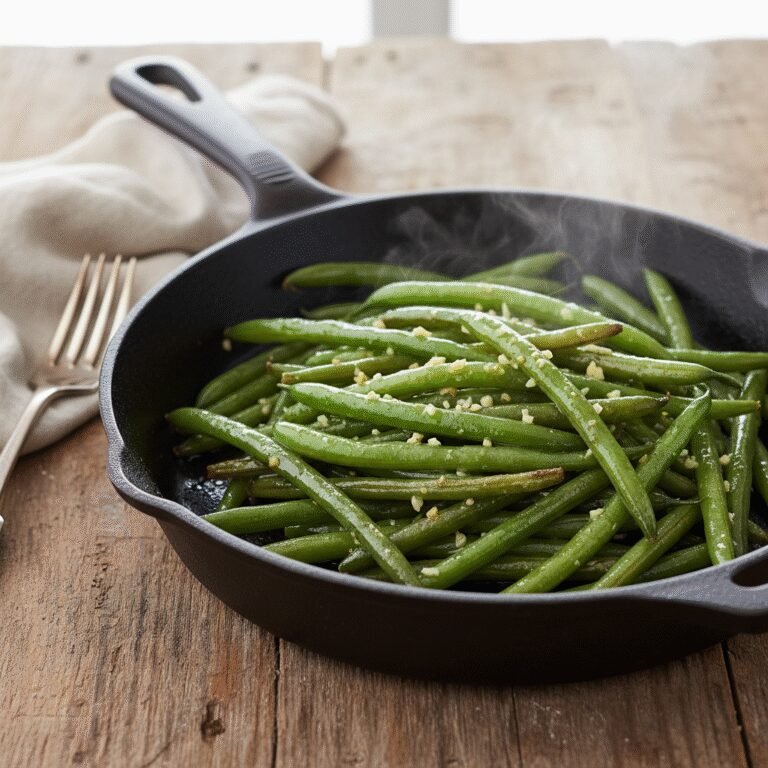
Because it is so heavy on dairy and carbs, balance the plate with something green and acidic. A crisp green salad with vinaigrette, roasted asparagus with lemon, or garlicky green beans make for excellent sides to cut through the richness of the potatoes.
Storage and Reheating Tips
Fridge: Store leftovers in an airtight container in the refrigerator for up to 3-4 days. Reheat individual portions in the microwave, or put the whole dish back in the oven covered with foil at 350°F until warm.
Freezer: Yes, you can freeze this! Assemble the casserole completely but do not bake it. Wrap it tightly in plastic wrap and then foil. Freeze for up to 2 months. Thaw in the fridge overnight before baking. Note that dairy-heavy potatoes can sometimes separate slightly upon thawing, so give it a good stir if possible before the final bake.
Nutrition Facts (Estimated)
| Serving Size | 1 cup |
| Calories | 420 |
| Fat | 28g |
| Saturated Fat | 16g |
| Unsaturated Fat | 10g |
| Trans Fat | 0.5g |
| Cholesterol | 85mg |
| Sodium | 580mg |
| Carbohydrates | 32g |
| Fiber | 3g |
| Sugar | 3g |
| Protein | 14g |
Frequently Asked Questions
Can I make this loaded potato casserole ahead of time?
Absolutely! Assemble the entire dish up to the baking step, cover it tightly with foil, and refrigerate it for up to 24 hours. When you’re ready to eat, just add about 10-15 minutes to the baking time since it’s starting from cold.
Why did my potatoes turn out gluey?
Gluey potatoes happen when the starch is overworked. This usually happens if you use a food processor, blender, or electric hand mixer on high speed. Stick to a hand masher or a potato ricer for the best fluffy texture.
Do I have to peel the potatoes?
For this specific casserole texture, peeling is recommended to keep it creamy. However, if you love a rustic texture and extra nutrients, you can scrub the potatoes well and leave the skins on! It’s totally a personal preference.
Can I use store-bought bacon bits?
You can, but I highly recommend using real bacon that you fry yourself. The texture and flavor are superior. If you must use convenience items, look for ‘Real Bacon Bits’ in the jar rather than the hard, crunchy imitation red bits.
What is the best potato for mashing?
Russet potatoes (also known as Idaho potatoes) are the gold standard for baking and mashing because of their high starch and low moisture content. Yukon Golds are a close second if you want a naturally buttery flavor, but they are denser.
Can I put this in a slow cooker?
Yes! You can keep the prepared mashed mixture warm in a slow cooker on the ‘Warm’ setting for a party. However, you won’t get the crispy cheese crust on top that you get from oven baking.
Is this recipe gluten-free?
Yes, as written, this recipe is naturally gluten-free. Just double-check your bacon and spices to ensure they weren’t processed in a facility with wheat, but the core ingredients are safe.
Can I add veggies to this?
Sure! Steamed broccoli florets, corn, or sautéed mushrooms can be folded into the mash for extra nutrition and texture. It’s a great way to hide veggies for the kids!
Conclusion
There you have it—the only side dish recipe you will ever need for the holiday season! This Loaded Baked Potato Casserole brings all the joy of a restaurant meal right into your home kitchen. It is creamy, cheesy, savory, and incredibly satisfying.
I promise, once you put this on the table, it will be the first dish emptied. So, grab those Russets, fry up that bacon, and get ready to be the hero of Thanksgiving dinner. Don’t forget to pin this recipe for later—you are definitely going to want to make this again!