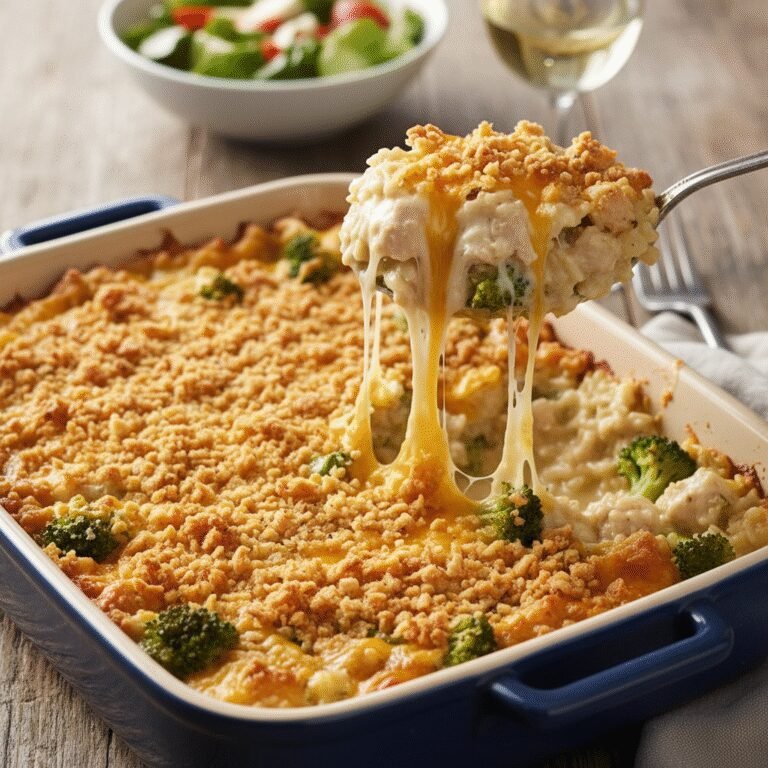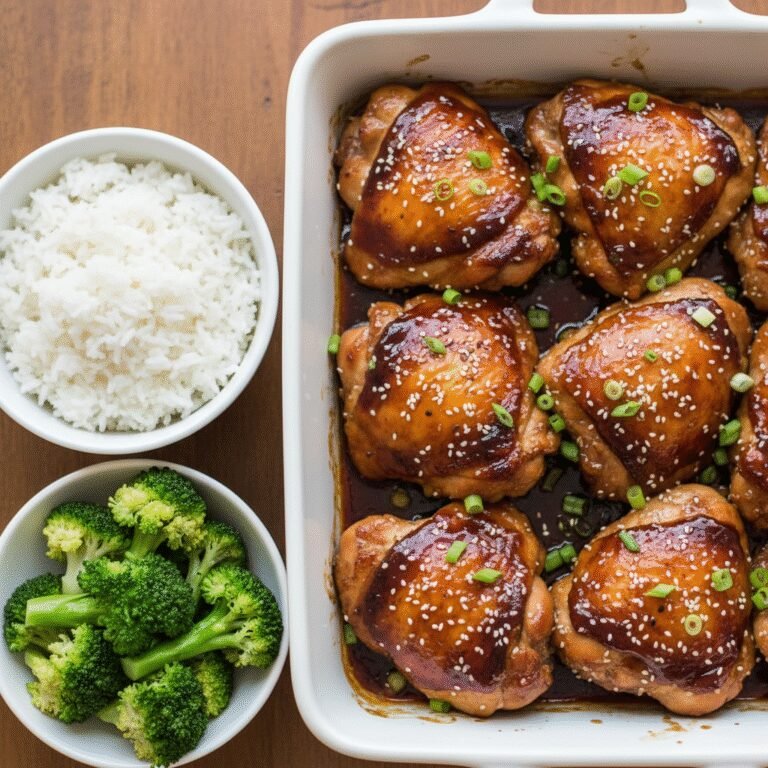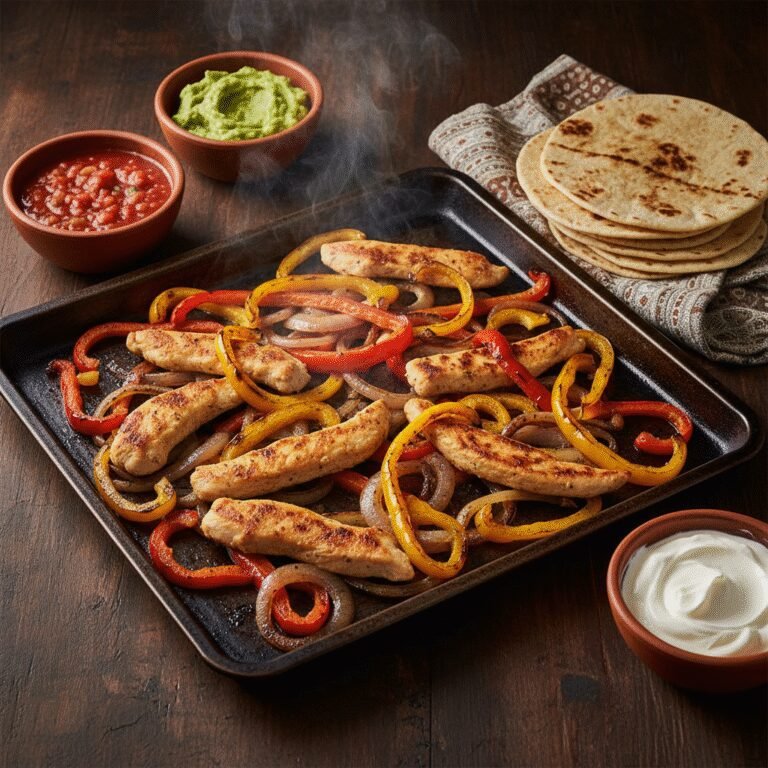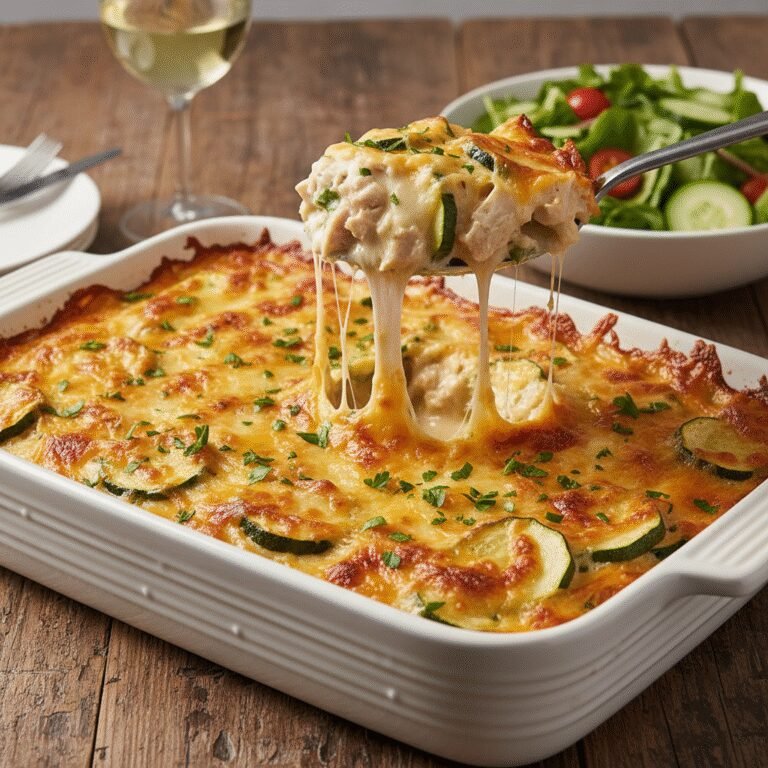
Quick Easy Family Chicken Dinner Recipes
Dinner is solved with this one-pan wonder that transforms simple chicken breasts into a gourmet-style meal in under 30 minutes. It is the ultimate solution for busy weeknights when you need something nutritious, delicious, and kid-approved without a sink full of dishes.
10 minutes
20 minutes
30 minutes
4 Servings
Main Course
Stovetop / Skillet
American / Italian-Inspired
Gluten Free
For many busy parents, the hours between 5:00 PM and 7:00 PM are known as the "witching hour." Work is wrapping up, children are hungry, homework needs to be done, and the looming question of "what’s for dinner?" hangs heavy in the air. This is where the concept of the Quick Easy Family Chicken Dinner becomes not just a meal, but a lifeline. Chicken is the ubiquitous protein of the American household for good reason: it is affordable, widely available, and incredibly versatile. However, its ubiquity can also lead to boredom. The challenge lies in preparing it quickly without sacrificing flavor or resorting to dry, rubbery results.
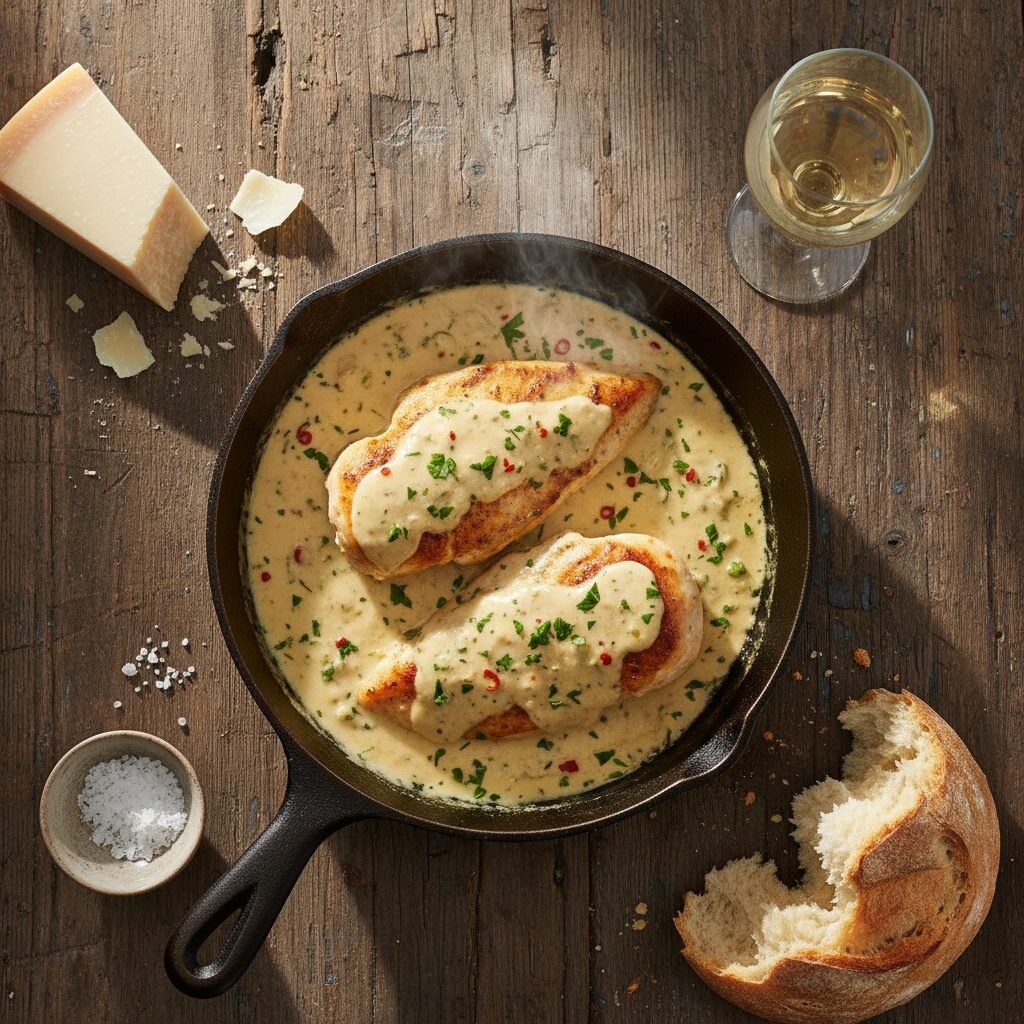
This recipe for Creamy Garlic Herb Chicken Skillet is designed specifically to bridge the gap between culinary boredom and time constraints. It utilizes the classic technique of pan-searing to lock in moisture, followed by a quick pan sauce made directly in the skillet to capture all the savory goodness left behind. By utilizing a single pan, we minimize the friction of cleanup, allowing you to spend more quality time with your family rather than scrubbing dishes.
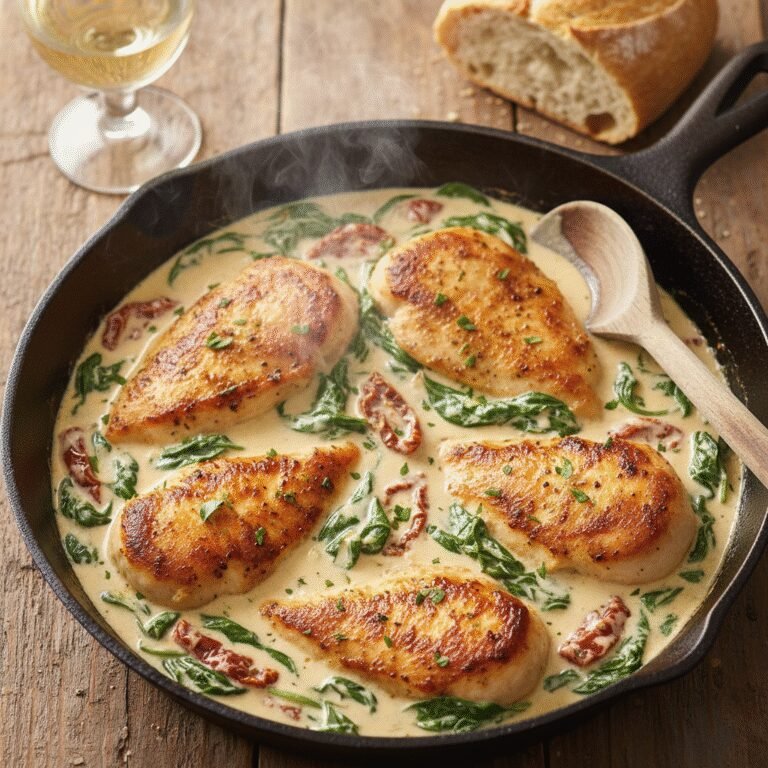
What makes this dish a standout in the realm of family recipes is its adaptability. While the base recipe features a lush garlic and parmesan cream sauce, it serves as a canvas for whatever vegetables you have wilting in the crisper drawer. Whether you toss in baby spinach, sun-dried tomatoes, or sauteed mushrooms, the core technique remains the same. This guide will walk you through not just the steps, but the science of why this method yields restaurant-quality chicken in a fraction of the time it takes to order takeout.
History & Origins
The evolution of the "skillet dinner" is deeply rooted in the mid-20th century shift towards convenience cooking, yet its culinary DNA can be traced back to traditional French fricassees and sautés. Historically, chicken was often a tougher bird that required long, slow braising to become tender—think Coq au Vin. However, with the modernization of poultry farming in the post-war era, younger, more tender chickens became readily available to the average consumer. This allowed home cooks to move away from all-day stews to quick-cooking methods like sautéing and pan-frying.
The specific combination of garlic, cream, and herbs found in this recipe draws inspiration from both Northern Italian and French country cooking. In France, a suprême sauce—made from velouté and heavy cream—is a classic accompaniment to poultry. In the United States, this concept was adapted and simplified for the busy home cook. During the 1980s and 90s, the rise of "30-minute meals" popularized by television personalities cemented the skillet chicken breast as a staple of the American diet. This particular iteration focuses on the marriage of fat (cream/butter) and acid (white wine/lemon) to create a balanced sauce that feels luxurious but is essentially a rustic, farmhouse-style preparation.
Why This Recipe Works
The success of this recipe relies on three fundamental culinary principles: the Maillard reaction, deglazing, and reduction. First, by drying the chicken thoroughly and searing it in hot oil, we trigger the Maillard reaction. This chemical reaction between amino acids and reducing sugars gives browned food its distinctive flavor. Many home cooks skip the high-heat sear, resulting in poached or steamed chicken that lacks depth.
Secondly, this recipe utilizes the fond—the browned bits of caramelized protein and sugars stuck to the bottom of the pan after searing. When we add the chicken broth and garlic, we are deglazing the pan. This lifts the fond into the liquid, instantly infusing the sauce with a complex, savory flavor profile that cannot be achieved by simply mixing ingredients in a bowl. It is the secret to making a 20-minute sauce taste like it simmered for hours.
Finally, the texture of the sauce is achieved through reduction and emulsification. By allowing the broth and cream to simmer, water evaporates, concentrating the flavors and thickening the liquid naturally. The addition of parmesan cheese acts as a binder, helping to emulsify the fats in the cream with the water in the broth, creating a velvety, cohesive sauce that clings to the chicken rather than sliding off.
Why You’ll Love This Recipe
- ✓Ready in under 30 minutes from fridge to table.
- ✓Uses only one skillet for minimal cleanup.
- ✓High protein and low carb (keto-friendly options).
- ✓Kid-friendly creamy sauce that encourages vegetable consumption.
- ✓Utilizes common pantry staples you likely already have.
- ✓Easily scalable for larger families or meal prep.
Equipment You’ll Need
- ✓Large Cast Iron Skillet or Heavy-Bottomed Stainless Steel Pan
- ✓Kitchen Tongs
- ✓Chef’s Knife
- ✓Cutting Board
- ✓Measuring Cups and Spoons
- ✓Meat Mallet or Heavy Rolling Pin
- ✓Whisk or Wooden Spoon
Ingredients
- ✓1.5 lbs Boneless, skinless chicken breasts (approx. 3-4 breasts)
- ✓1 teaspoon Salt, divided
- ✓1/2 teaspoon Black pepper, freshly ground
- ✓1 teaspoon Garlic powder
- ✓2 tablespoons Olive oil
- ✓2 tablespoons Unsalted butter
- ✓1 small Yellow onion, finely diced
- ✓5 cloves Garlic, minced
- ✓1/2 cup Chicken broth (low sodium)
- ✓1 cup Heavy cream (or heavy whipping cream)
- ✓1/2 cup Parmesan cheese, freshly grated
- ✓1 teaspoon Italian seasoning (dried oregano, basil, thyme blend)
- ✓1/2 teaspoon Red pepper flakes (optional, for heat)
- ✓2 cups Baby spinach (optional add-in)
- ✓1 tablespoon Fresh parsley, chopped (for garnish)
Instructions
- Prepare the Chicken: Place the chicken breasts on a cutting board. If they are very thick, slice them horizontally into cutlets or pound them with a meat mallet until they are of even thickness (about 1/2 inch). This ensures even cooking. Pat the chicken completely dry with paper towels. Season both sides generously with salt, pepper, and garlic powder.
- Sear the Chicken: Heat the olive oil in a large skillet over medium-high heat. Once the oil is shimmering (but not smoking), carefully add the chicken breasts. Cook for 5-6 minutes on the first side without moving them, allowing a golden crust to form. Flip and cook for another 4-5 minutes on the other side until the internal temperature reaches 165°F (74°C). Remove the chicken from the pan and set aside on a plate.
- Sauté Aromatics: Reduce the heat to medium. Add the butter to the same skillet. Once melted, add the diced onion and cook for 3 minutes until softened. Add the minced garlic and cook for just 30-60 seconds until fragrant, being careful not to burn it.
- Deglaze the Pan: Pour in the chicken broth. Use a wooden spoon to scrape up the browned bits (fond) from the bottom of the pan. Let the broth simmer for about 2-3 minutes until it reduces slightly.
- Build the Sauce: Lower the heat to medium-low. Pour in the heavy cream and add the Italian seasoning and red pepper flakes (if using). Stir gently and let the mixture simmer for 3-4 minutes. The sauce should start to thicken slightly.
- Finish the Sauce: Stir in the freshly grated parmesan cheese until melted and smooth. If you are adding spinach, stir it in now and let it wilt for 1-2 minutes. Taste the sauce and adjust salt and pepper if needed.
- Combine and Serve: Return the cooked chicken (and any juices resting on the plate) back to the skillet. Spoon the creamy sauce over the chicken to coat it warm it through for 1 minute. Garnish with fresh parsley and serve immediately.
Expert Cooking Tips
- ✓Room Temperature Cream: Take your heavy cream out of the fridge when you start prepping. Adding cold cream to a hot pan can sometimes cause the sauce to seize or lower the pan temperature too drastically.
- ✓Don’t Overcrowd: If your skillet isn’t large enough, sear the chicken in two batches. Overcrowding the pan causes the chicken to steam rather than sear, preventing that delicious golden crust.
- ✓Fresh Parmesan is Key: Avoid using the shelf-stable shaker cheese or pre-shredded bagged cheese. Pre-shredded cheese is coated in anti-caking agents (cellulose) which prevents it from melting smoothly, resulting in a gritty sauce.
- ✓Pounding the Chicken: Pounding the chicken breasts to an even thickness is the most important step for juicy meat. It prevents the thin tapered end from drying out while the thick middle is still raw.
Substitutions and Variations
This recipe is incredibly flexible based on your dietary needs and pantry inventory. If you do not have heavy cream, you can use half-and-half, though the sauce will be thinner; you may need to simmer it longer or add a teaspoon of cornstarch mixed with water to thicken it. For a dairy-free version, use full-fat canned coconut milk or a plant-based heavy cream alternative, and omit the parmesan or use a vegan parmesan substitute.
Regarding the protein, boneless skinless chicken thighs are an excellent substitute. They are more forgiving than breasts and stay juicy even if slightly overcooked. Simply increase the searing time by 2-3 minutes per side. You can also use pork chops with this exact same method and sauce. If you don’t have Italian seasoning, a mix of dried oregano, dried basil, and a pinch of dried thyme works perfectly.
Common Mistakes to Avoid
The most common mistake with this dish is overcooking the chicken. Because the chicken is returned to the pan at the end, you should pull it off the heat exactly when it hits 165°F (or even 160°F as carryover cooking will finish it). If you cook it to death during the searing stage, it will be dry by the time it hits the table.
Another pitfall is burning the garlic. Garlic burns very quickly and turns bitter. Ensure you have your liquids (broth) ready to go before you add the garlic to the pan, so you can stop the cooking process immediately once the garlic becomes fragrant. Finally, boiling the cream too vigorously can cause the sauce to separate or "break," leaving you with a greasy texture. Keep the heat at a gentle simmer once the dairy is added.
Serving Suggestions
This creamy chicken is versatile and pairs well with starches that can soak up the delicious sauce. It is excellent served over a bed of al dente pasta (fettuccine, penne, or rotini work best). For a lower-carb option, serve it over zucchini noodles (zoodles) or cauliflower mash.
If you prefer a more traditional dinner, pair it with garlic butter rice or roasted potatoes. To balance the richness of the cream sauce, a side of crisp, acidic vegetables is recommended, such as steamed broccoli with lemon, roasted asparagus, or a fresh green salad with a vinaigrette dressing. Crusty bread is also a must for mopping up any leftover sauce on the plate.
Storage and Reheating Tips
Refrigeration: Store leftovers in an airtight container in the refrigerator for up to 3-4 days. The sauce will thicken significantly when cold.
Reheating: Reheat gently on the stovetop over low heat. You will likely need to add a splash of water or chicken broth to loosen the sauce as it warms up. Avoid using the microwave on high power, as this can cause the chicken to become rubbery and the cream sauce to separate; if you must microwave, use 50% power and stir frequently.
Freezing: Freezing is not recommended for cream-based sauces as the dairy tends to curdle and the texture becomes grainy upon thawing. If you wish to meal prep this for the freezer, cook the chicken and freeze it separately, then make the fresh sauce on the day of serving.
Nutrition Facts (Estimated)
| Serving Size | 1 chicken breast with sauce |
| Calories | 485 |
| Fat | 32g |
| Saturated Fat | 16g |
| Unsaturated Fat | 12g |
| Trans Fat | 0g |
| Cholesterol | 145mg |
| Sodium | 680mg |
| Carbohydrates | 6g |
| Fiber | 1g |
| Sugar | 2g |
| Protein | 42g |
Frequently Asked Questions
Can I use bone-in chicken for this recipe?
Yes, but the cooking time will increase significantly. Bone-in, skin-on thighs are delicious but will need about 6-8 minutes per side and may need to finish in the oven to ensure they are cooked through to the bone.
How do I make the sauce thicker?
The sauce thickens naturally through reduction and the addition of parmesan. If it is still too thin for your liking, mix 1 teaspoon of cornstarch with 1 tablespoon of cold water (a slurry) and whisk it into the simmering sauce. Let it bubble for 1 minute to thicken.
Is this recipe spicy?
Not at all. The red pepper flakes are optional and add a very subtle warmth rather than heat. If you are cooking for sensitive palates or young children, you can omit them entirely without affecting the overall flavor.
Can I add mushrooms to this dish?
Absolutely. Sliced cremini or button mushrooms are a fantastic addition. Add them to the pan along with the onions and sauté until they release their moisture and brown before adding the garlic.
Why is my sauce grainy?
A grainy sauce usually happens if the heat was too high when the cheese was added, or if pre-shredded cheese with anti-caking agents was used. Always use freshly grated cheese and remove the pan from high heat before stirring it in.
Can I use milk instead of heavy cream?
You can, but the sauce will be much thinner and less rich. If using milk, you will definitely need to use a cornstarch slurry or a roux (flour and butter) to achieve a sauce-like consistency.
What wine pairs well with this?
A dry white wine with good acidity cuts through the richness of the cream sauce perfectly. A Pinot Grigio, Sauvignon Blanc, or an un-oaked Chardonnay would be excellent choices.
Is this recipe Keto friendly?
Yes, this recipe is naturally low in carbohydrates and high in fat and protein, making it perfect for a Keto diet. Just ensure you serve it with low-carb sides like steamed broccoli or cauliflower rice.
Conclusion
In the hustle of modern family life, having a repertoire of quick easy family chicken dinner recipes is essential for maintaining sanity and health. This Creamy Garlic Herb Chicken Skillet represents the best of home cooking: it requires minimal effort but delivers maximum flavor. It proves that you do not need hours in the kitchen or a culinary degree to put a meal on the table that tastes like it came from a bistro kitchen.
By mastering this simple technique of searing, deglazing, and sauce-making, you open the door to endless variations. Swap the herbs, change the cheese, or switch the protein—the method remains the reliable foundation. So, the next time the clock strikes 5:00 PM and panic sets in, grab your skillet and some chicken breasts. In thirty minutes, you will have a meal that brings the whole family together, leaving plates clean and bellies full.