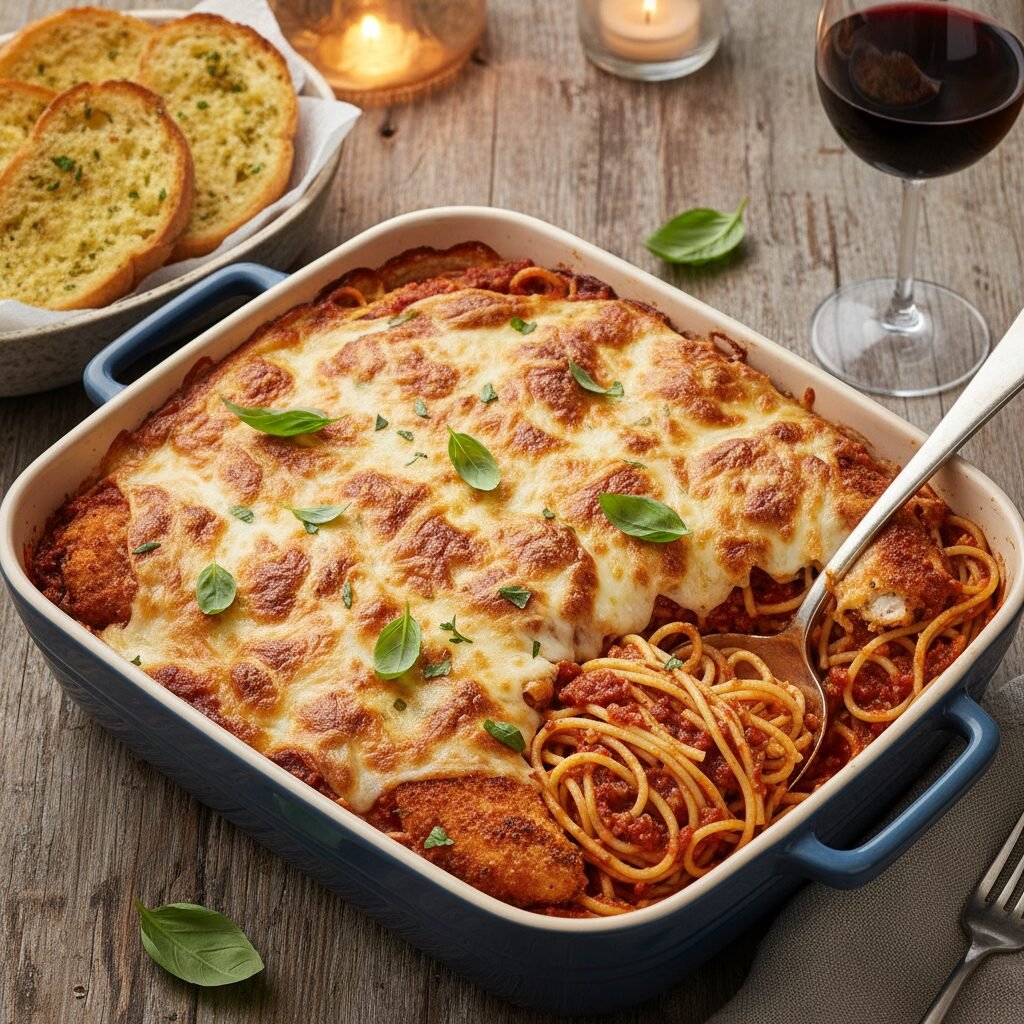
Lazy Chicken Parmesan Baked Spaghetti
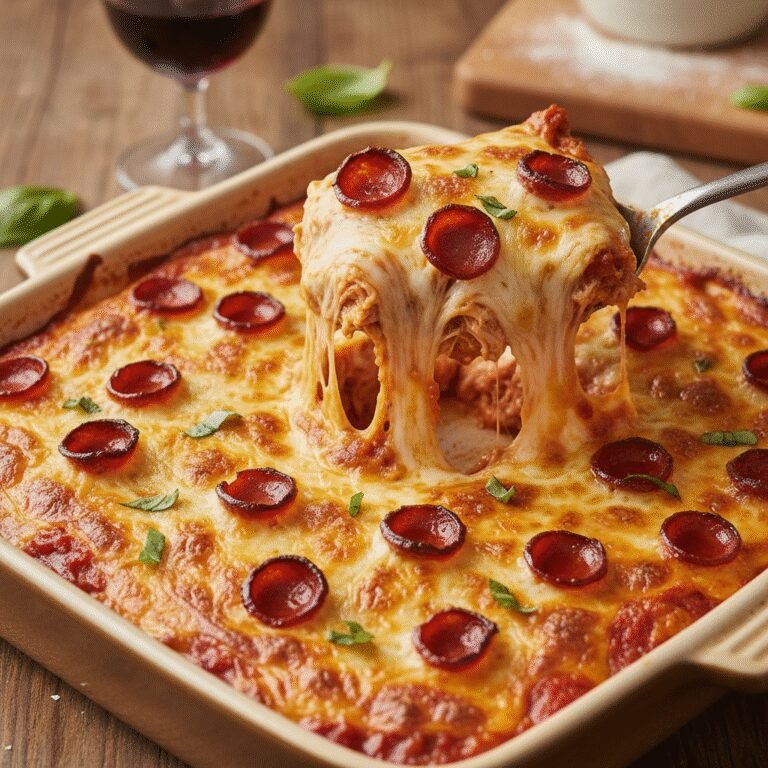
This casserole is the answer to your busy weeknight prayers, fusing the crispy, cheesy goodness of Chicken Parmesan with the hearty comfort of baked spaghetti. Ready in under 45 minutes, it utilizes smart shortcuts without sacrificing flavor, making it a guaranteed hit for both children and adults.
10 minutes
35 minutes
45 minutes
6-8 Servings
Dinner
Baking
Italian-American
Omnivore
In the realm of family-friendly cuisine, few dishes bridge the gap between convenience and gourmet comfort as effectively as Lazy Chicken Parmesan Baked Spaghetti. For the modern home cook, balancing nutrition, flavor, and time management is a daily tactical maneuver. This recipe is designed specifically to address that challenge, transforming two beloved Italian-American staples—Chicken Parmigiana and Baked Spaghetti—into a singular, cohesive casserole.
The concept is simple yet brilliant: by utilizing high-quality prepared ingredients, such as breaded chicken tenders and robust marinara sauce, we eliminate the labor-intensive steps of dredging, frying, and simmering. However, do not mistake ‘lazy’ for a lack of quality. When executed with precision, the textures are sublime. The pasta remains firm and saucy, the chicken provides a necessary savory crunch, and the blanket of mozzarella creates that quintessential golden finish. It is a meal that feels like a Sunday feast but fits perfectly into a Tuesday schedule.
This dish is particularly tailored for the Pinterest-savvy mother who seeks to provide a hearty, warming meal that requires minimal cleanup. It serves as a fantastic vehicle for sneaking in vegetables or utilizing pantry staples, proving that sophisticated flavor profiles can indeed be achieved with efficient cooking methods.
History & Origins
To understand the lineage of this casserole, one must look at the evolution of Chicken Parmigiana. Contrary to popular belief, Chicken Parmesan is not a traditional dish from the Old Country but rather a distinct invention of the Italian diaspora in the United States. It evolved from Melanzane alla Parmigiana (Eggplant Parmesan), substituting the vegetable for affordable chicken cutlets available in American markets during the early 20th century. It quickly became a hallmark of red-sauce joints across the Northeast.
Simultaneously, the concept of Baked Spaghetti gained traction in the mid-century American Midwest and South. It was a method of extending the life of pasta by baking it with sauce and cheese, often resulting in a dish with a delightful contrast between soft interior noodles and crispy top noodles. The marriage of these two dishes—placing the breaded chicken directly atop or within the pasta bake—is a relatively modern innovation, born from the internet age of ‘food hacks’ and the desire to streamline complex traditional recipes into one-pan wonders.
Why This Recipe Works
From a culinary science perspective, this recipe succeeds due to the interplay of textures and the concentration of flavors. Traditional Chicken Parmesan can sometimes result in soggy breading if the chicken sits in the sauce too long. In this baked version, we strategically place the breaded chicken on top of the pasta layer or partially submerged. This allows the bottom of the chicken to absorb the savory tomato umami while the top remains exposed to the oven’s dry heat, maintaining that crucial crunch.
Furthermore, baking the spaghetti in the sauce (rather than just tossing and serving) allows the starch from the pasta to thicken the marinara, creating a cohesive binding agent that holds the casserole together. The melted mozzarella acts as a lipid barrier, trapping steam within the pasta to keep it moist while browning beautifully on top due to the Maillard reaction. The use of garlic butter on the pasta before adding the sauce is a professional touch that ensures every strand is seasoned, preventing the common issue of bland noodles in the center of the casserole.
Why You’ll Love This Recipe
- ✓Ready in under 45 minutes perfect for busy weeknights.
- ✓Combines two comfort food classics in one pan.
- ✓Uses freezer staples like breaded chicken tenders.
- ✓Kid-friendly and extremely filling.
- ✓Minimal cleanup required.
- ✓Easily customizable with veggies or different cheeses.
Equipment You’ll Need
- ✓Large stockpot for boiling pasta
- ✓9×13 inch ceramic or glass baking dish
- ✓Colander
- ✓Chef’s knife
- ✓Cheese grater
- ✓Aluminum foil
Ingredients
- ✓16 oz (1 lb) dry spaghetti or angel hair pasta
- ✓24 oz jar of high-quality marinara sauce (plus extra for serving if desired)
- ✓12-16 oz frozen breaded chicken tenders or patties (pre-cooked)
- ✓3 cups shredded mozzarella cheese, divided
- ✓1/2 cup grated Parmesan cheese
- ✓2 tablespoons olive oil or melted butter
- ✓2 teaspoons garlic powder
- ✓1 teaspoon dried Italian seasoning (oregano, basil, thyme)
- ✓Fresh basil leaves, chopped (for garnish)
- ✓Fresh parsley, chopped (for garnish)
- ✓Salt and black pepper to taste
Instructions
- Preheat and Prep: Preheat your oven to 375°F (190°C). Grease a 9×13 inch baking dish with non-stick spray or a light coating of olive oil. While the oven heats, bring a large pot of salted water to a rolling boil.
- Cook the Pasta: Add the spaghetti to the boiling water. Cook the pasta for 2-3 minutes less than the package instructions indicate for al dente. The pasta should still be slightly firm in the center as it will finish cooking in the oven. Drain well, reserving about 1/2 cup of pasta water.
- Season the Base: Return the drained pasta to the pot. Toss immediately with the olive oil (or melted butter), garlic powder, and half of the dried Italian seasoning. This ensures the noodles do not stick and adds a base layer of flavor.
- Prepare the Chicken: While the pasta boils, you may choose to par-bake your frozen chicken tenders for 10 minutes to ensure crispiness, though this is optional. If the tenders are very large, chop them into bite-sized chunks. If they are standard size, you can leave them whole.
- Assemble the Pasta Layer: Mix the marinara sauce and the reserved pasta water into the seasoned spaghetti until evenly coated. Transfer this mixture into the prepared baking dish. Spread it out evenly.
- Add the Cheese Layer: Sprinkle 1.5 cups of the mozzarella cheese directly over the pasta. This creates a gooey ‘glue’ that integrates the chicken with the spaghetti.
- Add the Chicken: Arrange the frozen (or par-baked) chicken tenders on top of the cheese layer. If you chopped them, scatter them evenly across the dish.
- Top and Bake: Pour a small amount of extra marinara over the chicken if you prefer them softer, or leave them dry for crunch. Top with the remaining 1.5 cups of mozzarella and the grated Parmesan cheese. Sprinkle the remaining Italian seasoning on top.
- Bake: Cover the dish with aluminum foil (tented slightly so it doesn’t stick to the cheese) and bake for 20 minutes. Remove the foil and bake for another 10-15 minutes, or until the cheese is bubbly and golden brown.
- Rest and Serve: Remove from the oven and let the casserole rest for 5-10 minutes. This step is crucial as it allows the sauce to set. Garnish generously with fresh basil and parsley before serving.
Expert Cooking Tips
- ✓Undercook the Pasta: Since the spaghetti bakes in sauce, boiling it fully beforehand will result in a mushy texture. Aim for very al dente.
- ✓Cheese Quality: Pre-shredded cheese often contains anti-caking agents that prevent smooth melting. For the best cheese pull, buy a block of low-moisture mozzarella and grate it yourself.
- ✓Chicken Crispiness: For maximum crunch, do not pour sauce directly over the chicken tenders. Place them on top of the sauced pasta, then top with cheese.
- ✓Resting is Key: Just like lasagna, baked spaghetti needs time to set. Cutting into it immediately will cause the sauce to run to the bottom of the dish.
Substitutions and Variations
This recipe is highly adaptable to various dietary needs and pantry limitations. If you are gluten-free, simply utilize your preferred gluten-free spaghetti (rice or corn-based works best for baking) and ensure your frozen chicken tenders are certified gluten-free. For a lighter version, substitute the pasta with spaghetti squash or zucchini noodles, though you will need to reduce the bake time to prevent excess water release. If you do not have frozen tenders, a rotisserie chicken, shredded and tossed with breadcrumbs and parmesan, makes a delicious alternative. For the sauce, a homemade tomato basil sauce is always superior, but a high-quality jarred arrabbiata can add a nice spicy kick.
Common Mistakes to Avoid
The most frequent error in this dish is overcooking the pasta during the boiling stage. Remember, the oven provides a second cooking method; if the pasta is soft before it goes in, it will be distinctively mushy coming out. Another common mistake is using too little sauce. Baked pasta absorbs liquid as it sits; if the mixture looks perfect in the pot, it might be dry after baking. Always reserve pasta water to adjust consistency. Finally, covering tightly with foil can steam the breaded chicken, making it soggy. Tent the foil or remove it earlier in the baking process to ensure the breading re-crisps.
Serving Suggestions
To balance the richness of the cheese and carbohydrates, serve this casserole alongside a crisp, acidic salad. A classic Caesar salad with homemade croutons or an arugula salad with lemon vinaigrette works beautifully. For the full Italian-American experience, add a side of garlic bread or focaccia to mop up any remaining sauce. A light red wine, such as a Chianti or Sangiovese, pairs excellently with the tomato and cheese profile.
Storage and Reheating Tips
This casserole stores remarkably well, making it excellent for meal prep. Refrigeration: Allow the dish to cool completely, then cover tightly with plastic wrap or transfer to airtight containers. It will keep for 3-4 days. Freezing: You can freeze the unbaked assembled casserole (without the final bake) for up to 3 months. Thaw in the refrigerator overnight before baking. Reheating: To reheat leftovers, cover with foil and bake at 350°F until heated through. Using the microwave is faster but may soften the chicken breading significantly.
Nutrition Facts (Estimated)
| Serving Size | 1 cup |
| Calories | 520 kcal |
| Fat | 22g |
| Saturated Fat | 9g |
| Unsaturated Fat | 11g |
| Trans Fat | 0g |
| Cholesterol | 65mg |
| Sodium | 980mg |
| Carbohydrates | 55g |
| Fiber | 4g |
| Sugar | 6g |
| Protein | 28g |
Frequently Asked Questions
Can I use raw chicken breast instead of frozen tenders?
Yes. Cut raw chicken breasts into bite-sized pieces, season them, and sauté them in a pan until fully cooked before adding them to the pasta bake. You will lose the ‘breaded’ texture unless you bread and fry them first, but it is a healthier option.
My family prefers penne. Can I swap the pasta shape?
Absolutely. Penne, rotini, or rigatoni are actually excellent choices for baked dishes as their hollow shapes hold onto the cheese and sauce better than spaghetti.
How do I prevent the cheese from sticking to the foil?
Spray the underside of the aluminum foil with non-stick cooking spray before covering the dish. Alternatively, you can use toothpicks to prop the foil up away from the cheese surface.
Can I make this recipe in a slow cooker?
It is possible, but not recommended if you want crispy chicken. The slow cooker traps moisture, which will turn the breaded chicken soggy. This recipe is best suited for the dry heat of an oven.
Is it necessary to use egg noodles or regular pasta?
Regular semolina pasta is best. Egg noodles cook very quickly and may become too soft in a casserole application like this.
Can I add vegetables to this bake?
Yes! Sautéed bell peppers, onions, mushrooms, or spinach can be mixed into the pasta and sauce layer before baking for added nutrition.
What is the best jarred sauce to use?
Look for sauces where ‘whole tomatoes’ are the first ingredient and there is no added sugar. Rao’s Homemade or similar premium brands are often recommended for the best flavor.
Why is my baked spaghetti dry?
The pasta likely absorbed all the liquid. Ensure you are using enough sauce and adding a splash of pasta water. Do not bake it uncovered for the entire duration.
Conclusion
Lazy Chicken Parmesan Baked Spaghetti is more than just a shortcut; it is a testament to the fact that delicious, comforting home cooking does not require hours of labor. By intelligently combining convenience items with fresh touches like basil and quality mozzarella, you create a meal that satisfies the soul and brings the family together. Whether it is a hectic Monday or a lazy Sunday, this casserole delivers consistent, crowd-pleasing results that will earn it a permanent spot in your recipe rotation.