Easy Orange Chicken
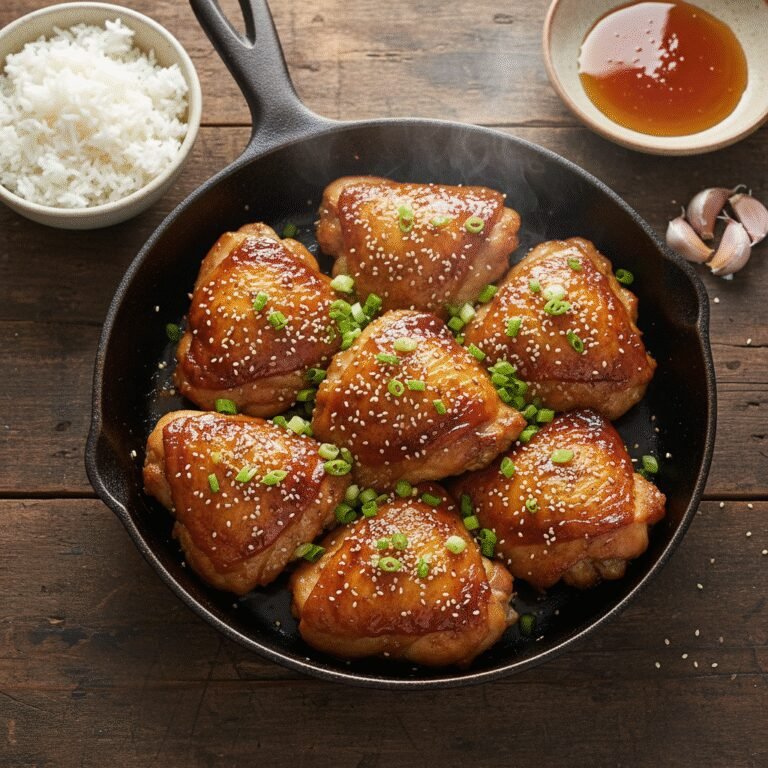
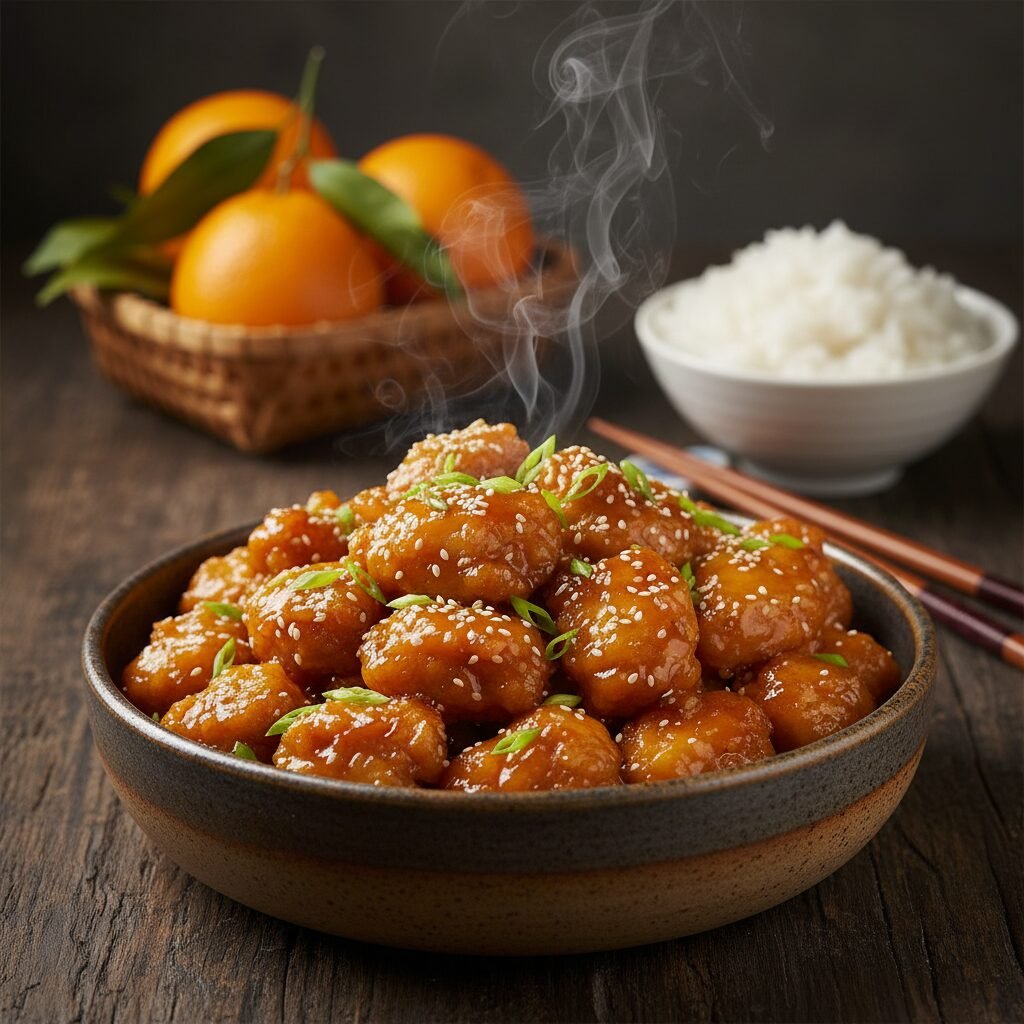
Craving takeout? This homemade Easy Orange Chicken is ready in under 30 minutes and bursting with fresh citrus flavor. It is the perfect balance of crispy texture and sticky-sweet sauce that the whole family will adore.
15 minutes
15 minutes
30 minutes
4 Servings
Dinner
Stovetop / Pan-Fry
American-Chinese
Dairy Free
There is a nearly universal appeal to Orange Chicken—that perfect intersection of crispy, savory, and sweet that defines American-Chinese comfort food. For many busy mothers and home cooks, the allure of takeout is strong, specifically on chaotic weeknights. However, this Easy Orange Chicken recipe proves that you can achieve superior results in your own kitchen in less time than it takes for delivery to arrive. By controlling the ingredients, we eliminate the excessive sodium and preservatives often found in restaurant versions, resulting in a dish that feels indulgent yet wholesome.
The secret lies in the dual-texture approach: a light cornstarch coating that crisps beautifully when pan-fried, and a sauce that utilizes fresh orange zest for an aromatic brightness that bottled sauces simply cannot replicate. This dish is designed to be approachable for the novice cook while delivering a flavor profile sophisticated enough for a dinner party. Whether you are meal-prepping for the week or looking for a ‘hero’ dish to serve your children, this recipe checks every box. It is vibrant, sticky, crunchy, and undeniably delicious.
In this comprehensive guide, we will walk through the culinary science behind the perfect crisp, the history of this beloved dish, and the step-by-step method to ensure your sauce thickens to the perfect glossy consistency every time.
History & Origins
While Orange Chicken is a staple on Chinese restaurant menus across the United States, its origins are distinctly American. The dish is widely credited to Chef Andy Kao, who developed the recipe in 1987 for Panda Express in Hawaii. Chef Kao intended to create a variation of General Tso’s Chicken that would appeal to the American palate, incorporating the sweet and tart flavors of citrus which are traditional in Hunan cuisine (specifically dishes using dried orange or tangerine peel).
Unlike the traditional Chinese dish ‘Tangerine Chicken,’ which uses dried peels and has a more complex, bitter-spicy profile, the Americanized Orange Chicken focuses on a sweeter, glaze-like sauce and battered meat. It has since become a cultural phenomenon, representing the evolution of immigrant cuisine adapting to local tastes. Today, it stands as one of the most recognizable dishes in the lexicon of American-Chinese gastronomy.
Why This Recipe Works
This recipe succeeds due to the precise balance of the five basic tastes, specifically sweet, sour, and salty (umami). The chicken is coated in cornstarch (or potato starch) rather than heavy flour batter. Cornstarch is almost pure starch, which gelatinizes when it hits hot oil, creating a barrier that prevents the chicken from absorbing too much grease while forming a shatteringly crisp exterior.
The sauce works through reduction and thickening. By using fresh orange juice and zest, we introduce natural acidity and essential oils that cut through the richness of the fried chicken. The addition of soy sauce provides the necessary umami backbone, while the sugar caramelizes slightly to create that signature sticky glaze. Finally, the cornstarch slurry added at the end is a hydrocolloid that binds the water and liquids, transforming a runny mixture into a sauce that clings to every nook and cranny of the crispy chicken pieces without making them soggy immediately.
Why You’ll Love This Recipe
- ✓Ready in under 30 minutes
- ✓Uses fresh orange juice and zest
- ✓Crispy coating without deep frying
- ✓Kid-friendly and adjustable spice levels
- ✓Healthier than standard takeout options
- ✓Easily adaptable for gluten-free diets
Equipment You’ll Need
- ✓Large Wok or Skillet
- ✓Mixing Bowls
- ✓Whisk
- ✓Microplane or Zester
- ✓Chef’s Knife
- ✓Cutting Board
- ✓Tongs or Slotted Spoon
Ingredients
- ✓1.5 lbs Boneless skinless chicken breasts (cut into 1-inch cubes)
- ✓1/2 cup Cornstarch (for coating)
- ✓2 tbsp Vegetable oil (for frying)
- ✓1 tsp Salt
- ✓1/2 tsp Black pepper
- ✓For the Sauce:
- ✓3/4 cup Fresh orange juice
- ✓1 tbsp Fresh orange zest
- ✓1/3 cup Soy sauce (low sodium recommended)
- ✓1/3 cup Brown sugar (packed)
- ✓2 tbsp Rice vinegar
- ✓1 tbsp Fresh ginger (minced)
- ✓2 cloves Garlic (minced)
- ✓1/2 tsp Red chili flakes (optional)
- ✓1 tbsp Cornstarch mixed with 2 tbsp water (slurry)
- ✓1 tsp Sesame oil
- ✓Garnish:
- ✓2 Green onions (sliced)
- ✓1 tsp Sesame seeds
Instructions
- Step 1: Prepare the Chicken. Pat the chicken cubes dry with paper towels. This is crucial for a crispy crust. In a mixing bowl, combine the chicken, salt, pepper, and cornstarch. Toss well until every piece is thoroughly coated in a dry, white layer of starch.
- Step 2: Sear the Chicken. Heat the vegetable oil in a large skillet or wok over medium-high heat. Once the oil is shimmering, add the chicken in a single layer. Do not overcrowd the pan; cook in batches if necessary. Cook for 3-4 minutes per side until golden brown and cooked through. Remove chicken to a plate lined with paper towels.
- Step 3: Aromatics. In the same pan (wipe out excess oil if needed, leaving about 1 teaspoon), add the minced garlic, ginger, and red chili flakes. Sauté for 30 seconds until fragrant, being careful not to burn the garlic.
- Step 4: Build the Sauce. Pour in the fresh orange juice, soy sauce, rice vinegar, and brown sugar. Whisk to combine and scrape up any browned bits from the bottom of the pan. Bring the mixture to a simmer.
- Step 5: Thicken. Stir in the cornstarch slurry and the fresh orange zest. Let the sauce simmer for 1-2 minutes. It will bubble and thicken rapidly into a glossy glaze. Stir in the sesame oil.
- Step 6: Combine. Return the crispy chicken to the pan. Toss immediately to coat every piece in the sauce. The heat should remain on low just long enough to warm everything through.
- Step 7: Garnish and Serve. Remove from heat immediately to maintain crispiness. Garnish with sliced green onions and sesame seeds. Serve hot over steamed rice.
Expert Cooking Tips
- ✓Dry the Chicken: Moisture is the enemy of crispiness. Ensure your chicken is very dry before adding the cornstarch.
- ✓Don’t Overcrowd: If you put too much chicken in the pan at once, the temperature drops and the chicken steams instead of searing.
- ✓Fresh is Best: Use fresh oranges for the juice and zest. Bottled juice often contains additives that can make the sauce cloyingly sweet.
- ✓Prep Ahead: Have all your sauce ingredients mixed in a bowl (mise en place) before you start cooking the chicken, as the sauce step moves very quickly.
Substitutions and Variations
This recipe is highly versatile. If you are gluten-free, substitute the soy sauce for Tamari or Coconut Aminos. For a refined sugar-free option, you can replace the brown sugar with honey or maple syrup, though the sauce may be slightly thinner. If you prefer dark meat, chicken thighs are an excellent substitute and are more forgiving if overcooked. For a vegetarian version, use pressed extra-firm tofu or cauliflower florets in place of the chicken.
Common Mistakes to Avoid
The most common mistake is adding the chicken to the sauce too early. The chicken should only be tossed in the sauce right before serving; otherwise, the breading will absorb the liquid and become soggy. Another error is burning the garlic. Because the pan is already hot from the chicken, the garlic needs only seconds to release its flavor. Finally, avoid using too much cornstarch in the slurry, which can turn the sauce into a gelatinous paste rather than a smooth glaze.
Serving Suggestions
This Easy Orange Chicken pairs beautifully with steamed jasmine or white rice to soak up the extra sauce. For a complete nutritional meal, serve alongside steamed broccoli, stir-fried snap peas, or baby bok choy. If you are feeling ambitious, vegetable egg rolls or crab rangoons make for excellent appetizers to complete the ‘fakeout’ takeout experience.
Storage and Reheating Tips
Leftovers should be stored in an airtight container in the refrigerator for up to 3 days. To reheat, avoid the microwave if you want to retain any texture. Instead, place the chicken on a baking sheet and warm in an oven at 350°F (175°C) for 10 minutes, or use an air fryer for 3-4 minutes to revive the crispiness. The sauce will thicken when cold but loosens up upon reheating.
Nutrition Facts (Estimated)
| Serving Size | 1 cup |
| Calories | 420 kcal |
| Fat | 14g |
| Saturated Fat | 2.5g |
| Unsaturated Fat | 10g |
| Trans Fat | 0g |
| Cholesterol | 75mg |
| Sodium | 850mg |
| Carbohydrates | 45g |
| Fiber | 1g |
| Sugar | 18g |
| Protein | 28g |
Frequently Asked Questions
Can I make this in an Air Fryer?
Yes. Coat the chicken as directed, spray with oil, and air fry at 400°F for 10-12 minutes, shaking halfway. Simmer the sauce on the stove separately and toss to coat.
Is this recipe spicy?
It has a very mild kick from the chili flakes. If cooking for sensitive palates or young children, simply omit the red chili flakes entirely.
Why is my sauce too runny?
You likely didn’t let it simmer long enough after adding the cornstarch slurry, or you didn’t use enough cornstarch. Let it boil for another minute to activate the thickening agent.
Can I freeze this?
You can freeze the cooked chicken (without sauce) and the sauce separately. Freezing them combined often leads to mushy chicken upon thawing.
Can I use bottled orange juice?
You can, but try to use 100% juice without added pulp or sugar. However, fresh juice provides a brighter, more authentic citrus flavor.
What if I don’t have rice vinegar?
Apple cider vinegar or white wine vinegar are acceptable substitutes, though rice vinegar offers the most traditional flavor profile.
How do I make the chicken extra crispy?
Double frying is the restaurant secret. Fry the chicken once, let it cool slightly, and fry it again for 1-2 minutes at a higher temperature before saucing.
Is Orange Chicken authentic Chinese food?
No, it is an American-Chinese invention, though it is inspired by traditional Hunan dishes involving citrus peels.
Conclusion
Mastering this Easy Orange Chicken allows you to bring the joy of a restaurant meal to your dining table with minimal effort. It is a dish that celebrates the balance of flavors and textures, proving that homemade can indeed be better than takeout. Whether you are a seasoned home cook or just starting out, this recipe is forgiving, rewarding, and guaranteed to become a regular in your meal rotation. Gather your ingredients, zest those oranges, and enjoy the satisfaction of a delicious, homemade family dinner.