Protein Cookies
Forget those dry, store-bought protein bars. These homemade protein cookies are soft, gooey, and packed with enough protein to keep you full without sacrificing flavor. They are the ultimate guilt-free treat for you and the kids!
10 minutes
10 minutes
20 minutes
12 cookies
Snack
Baking
American
Gluten Free
Let’s be real for a second: finding a healthy snack that actually satisfies a sweet tooth is a struggle. As busy moms, we are constantly on the go, running from school drop-offs to soccer practice, and often, our own nutrition takes a backseat. We grab whatever is convenient, which usually isn’t the healthiest option. Or, we try to be ‘good’ and eat a protein bar that tastes suspiciously like cardboard mixed with chocolate flavoring. Yuck.
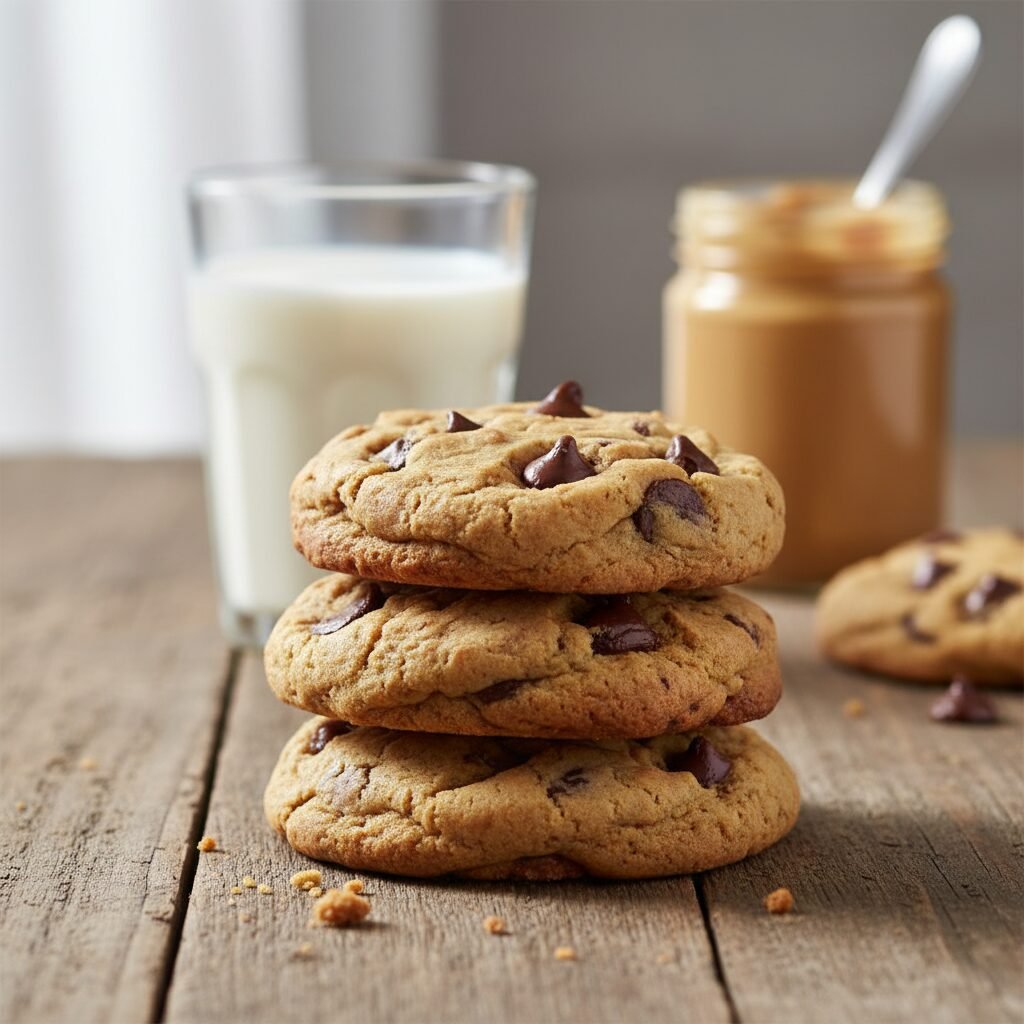
That is exactly why I developed this recipe. I wanted a cookie that tasted like a real cookie—think soft edges, a chewy center, and melty chocolate chips—but worked hard for my body. These Protein Cookies are a total game-changer. They aren’t just ‘tolerable’ health food; they are legitimately delicious. You get that satisfying bakery-style texture with a massive hit of protein to keep your energy stable throughout the afternoon slump.
The best part? You don’t need a degree in food science or a pantry full of weird ingredients to make them. It’s just simple, wholesome stuff mixed in one bowl. Whether you need a post-workout refuel, a breakfast on the go, or just a better-for-you treat to hide in the pantry away from the kids (I won’t tell!), these cookies are the answer.
History & Origins
The concept of the ‘protein cookie’ is a relatively modern invention, born out of the fitness boom of the late 20th century. Originally, high-protein supplements were exclusively the domain of bodybuilders and serious athletes, usually consumed as gritty shakes or dense, flavorless bars. In the early 2000s, as the ‘wellness’ trend hit the mainstream, companies began trying to make these supplements more palatable for the average consumer.
However, the first commercial protein cookies were… interesting, to say the least. They were often chemically dense, packed with sugar alcohols, and had a texture that could double as a hockey puck. Home bakers started experimenting, trying to bridge the gap between Grandma’s chocolate chip cookies and a scoop of whey protein. It took years of trial and error within the food blogging community to figure out how to replace flour with protein powder without drying out the bake. Today’s recipe represents the evolution of that journey: a modern, delicious hybrid that honors the tradition of home baking while embracing the nutritional science of today.
Why This Recipe Works
Baking with protein powder is notoriously tricky. Protein absorbs moisture differently than flour; if you just swap them 1:1, you end up with a dry, rubbery mess. This recipe works because we balance the hydration and fat content specifically to counteract the drying nature of the protein.
First, we use a base of creamy, natural nut butter. This provides healthy fats and moisture that keeps the cookie soft. Unlike butter, which melts rapidly and spreads, nut butter holds its structure, giving us a thick, chewy cookie. Secondly, we use an egg (or flax egg) not just for binding, but for structure. The protein in the egg coagulates during baking to hold the cookie together since we aren’t using gluten.
Finally, the choice of sweetener matters. By using brown sugar or coconut sugar, we introduce a bit of molasses content (hygroscopic), which pulls moisture from the air into the cookie, ensuring they stay soft for days. It is a delicate chemistry, but when you get the ratios right, the result is magic!
Why You’ll Love This Recipe
- ✓Packed with over 8g of protein per cookie
- ✓Naturally gluten-free and flourless
- ✓Ready in under 20 minutes from start to finish
- ✓Uses simple pantry staples you likely have
- ✓Kid-friendly and perfect for lunchboxes
- ✓Soft, chewy texture—not chalky!
Equipment You’ll Need
- ✓Large mixing bowl
- ✓Rubber spatula
- ✓Baking sheet
- ✓Parchment paper
- ✓Cookie scoop (medium)
- ✓Wire cooling rack
Ingredients
- ✓1 cup Natural Creamy Peanut Butter (drippy consistency is best)
- ✓2/3 cup Brown Sugar (packed) or Coconut Sugar
- ✓1 large Egg (room temperature)
- ✓1/2 cup Vanilla Protein Powder (Whey or Whey/Casein blend works best)
- ✓1/2 teaspoon Baking Soda
- ✓1/4 teaspoon Salt (if your PB is unsalted)
- ✓1 teaspoon Vanilla Extract
- ✓1/3 cup Dark Chocolate Chips (or semi-sweet)
Instructions
- Preheat and Prep: Preheat your oven to 350°F (175°C). Line a large baking sheet with parchment paper. Do not skip the parchment paper, as protein cookies can be a bit sticky!
- Mix Wet Ingredients: In a large bowl, combine the peanut butter, brown sugar, egg, and vanilla extract. Use your spatula to mix vigorously until the mixture is smooth, creamy, and well combined. The sugar should be mostly dissolved into the peanut butter.
- Add Dry Ingredients: Sprinkle the protein powder, baking soda, and salt over the wet mixture. Gently fold the ingredients together. It might look dry at first, but keep mixing! It will eventually come together into a thick, glossy dough.
- Fold in Chocolate: Pour in the dark chocolate chips and fold them into the dough until they are evenly distributed.
- Scoop: Use a cookie scoop to portion out the dough into 12 even balls. Place them on the baking sheet about 2 inches apart.
- Flatten: These cookies won’t spread much on their own. Use the back of a spoon or your clean fingers to gently flatten each dough ball into a thick disc shape.
- Bake: Bake for 8-10 minutes. Do not overbake! They should look set on the edges but still slightly underdone and soft in the middle.
- Cool: This is the most critical step. Let the cookies cool on the hot baking sheet for at least 10 minutes. They will firm up as they cool. If you try to move them too soon, they might crumble. Transfer to a wire rack to cool completely.
Expert Cooking Tips
- ✓Check your Peanut Butter: Use the natural kind where the only ingredients are peanuts and salt. If you use the thick, processed kind (like Jif or Skippy), the cookies will be too dry. If your natural PB is dry at the bottom of the jar, add a teaspoon of oil.
- ✓Protein Powder Matters: I recommend a Whey or Whey/Casein blend. Pure Whey Isolate can sometimes be a bit drying, and plant-based proteins absorb way more liquid, so you might need to reduce the powder amount slightly if using vegan protein.
- ✓Don’t Overmix: Once you add the protein powder, mix just until combined. Overworking the dough can lead to a tougher texture.
- ✓Underbake is Better: Protein cookies dry out faster than regular cookies as they sit. Pull them out when you think they aren’t quite done yet.
Substitutions and Variations
This recipe is super versatile! Here are some swaps you can make based on your pantry:
- Nut Butter: You can swap peanut butter for almond butter or cashew butter. For a nut-free version, sunflower seed butter works, though it may turn green due to a reaction with baking soda (it’s safe to eat, just looks funny!).
- Sweetener: Coconut sugar is a great 1:1 replacement for brown sugar. I don’t recommend liquid sweeteners like maple syrup as they change the dough consistency too much.
- Egg: To make this vegan, use a ‘flax egg’ (1 tbsp ground flaxseed meal + 3 tbsp warm water, let sit for 5 mins). Note that the cookies will be slightly more fragile.
- Add-ins: Swap chocolate chips for white chocolate chunks, dried cranberries, or chopped walnuts for extra crunch.
Common Mistakes to Avoid
The biggest mistake people make with protein cookies is overbaking. Because protein powder doesn’t melt like sugar and butter, the visual cues are different. If you wait until they look golden brown all over, they will be hard as rocks once they cool. Trust the timer! Another common error is using a protein powder you don’t actually like the taste of. The flavor of the powder really comes through here, so use a brand you enjoy drinking as a shake.
Serving Suggestions
These are incredible slightly warm. I love crumbling one over a bowl of Greek yogurt for a high-protein breakfast parfait. They are also perfect paired with a cold glass of almond milk or oat milk. If you are into meal prepping, pack two of these in a ziplock bag for a grab-and-go snack after the gym.
Storage and Reheating Tips
Store these cookies in an airtight container at room temperature for up to 5 days. To keep them extra soft, toss a slice of white bread into the container with them (an old baker’s trick!). You can also freeze the baked cookies for up to 3 months. Just thaw them on the counter for 30 minutes before eating.
Nutrition Facts (Estimated)
| Serving Size | 1 Cookie |
| Calories | 165 |
| Fat | 9g |
| Saturated Fat | 2g |
| Unsaturated Fat | 6g |
| Trans Fat | 0g |
| Cholesterol | 18mg |
| Sodium | 110mg |
| Carbohydrates | 12g |
| Fiber | 2g |
| Sugar | 9g |
| Protein | 9g |
Frequently Asked Questions
Why did my cookies come out dry?
This usually happens for two reasons: either the peanut butter wasn’t oily enough (natural is best!), or they were baked too long. Protein powder loves to suck up moisture, so watch that oven timer closely.
Can I use plant-based protein powder?
Yes, but plant proteins (pea, rice, hemp) are very absorbent. If the dough feels too crumbly, add a teaspoon of almond milk or water until it sticks together.
Can I make these sugar-free?
You can use a granular sugar substitute like Monkfruit or Swerve (Brown variety). However, real sugar helps with the chewy texture, so sugar-free versions might be a bit more cake-like.
Do I have to flatten them before baking?
Yes! Since there is no butter to melt and spread, these cookies will stay in the exact shape you scoop them in. Flattening ensures they cook evenly.
Can I use chocolate protein powder instead?
Absolutely! Using chocolate protein powder will give you a double-chocolate cookie. It’s delicious.
Are these keto-friendly?
As written, no, because of the brown sugar and oats/PB carbs. However, if you swap the sugar for a keto sweetener and use low-carb chocolate chips, they fit into a low-carb diet reasonably well.
Can I freeze the raw dough?
I don’t recommend it. Protein powder dough tends to dry out if frozen raw. It’s better to bake them first and then freeze the finished cookies.
How many calories are in one cookie?
Depending on your specific brand of peanut butter and protein powder, they usually range between 150 to 170 calories per cookie.
Conclusion
There you have it—the holy grail of healthy snacking! I hope these Soft & Chewy Protein Cookies become a staple in your kitchen just like they have in mine. It feels so good to give my kids (and myself!) a treat that is actually fueling our bodies rather than just giving us a sugar crash. Next time you have a craving for something sweet but want to stay on track with your wellness goals, whip up a batch of these. Don’t forget to tag me on Pinterest or Instagram if you make them; I love seeing your creations! Happy Baking!