29 Must Try Spring Easter Treats That Everyone Will Love
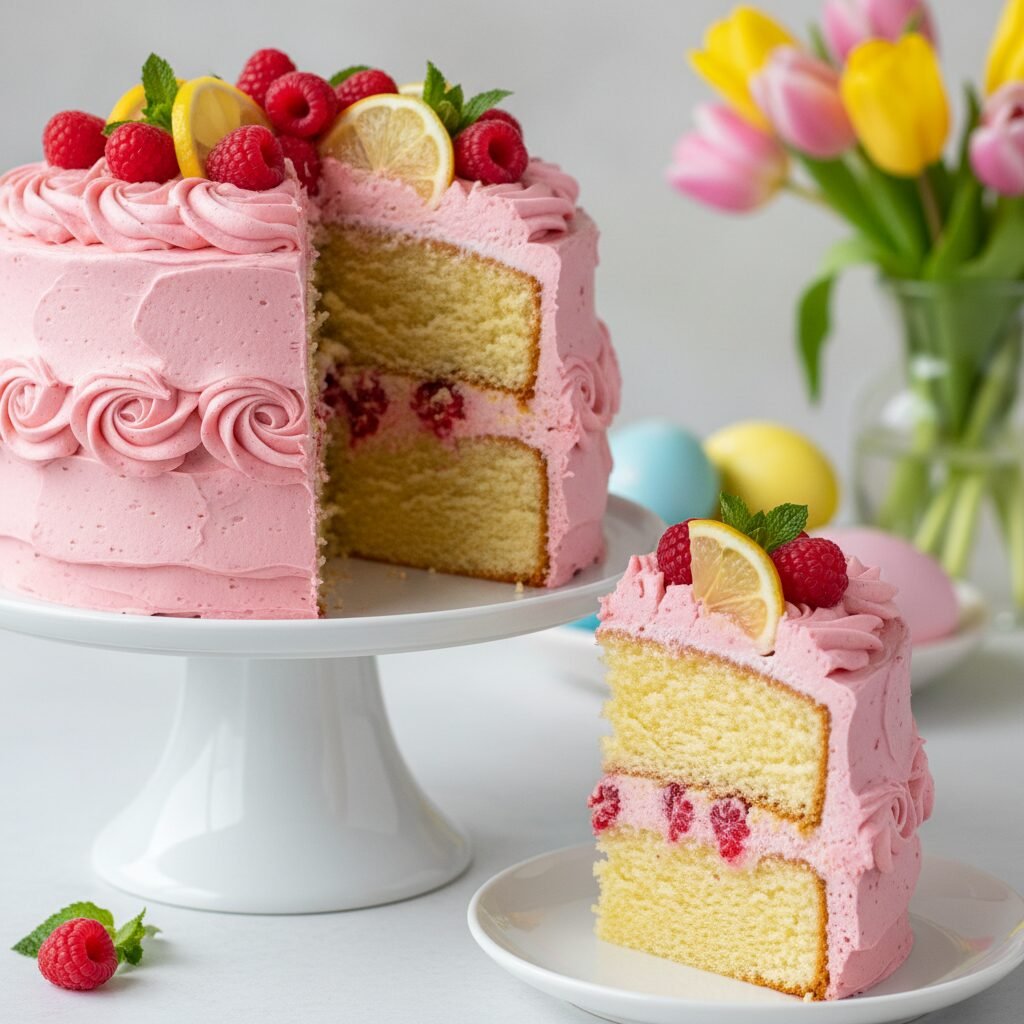
If you are scrolling through endless lists of spring treats trying to find ‘the one,’ stop right here! This Lemon Raspberry Layer Cake is the absolute winner—light, zesty, and dressed in beautiful pastel colors perfect for Easter Sunday.
45 minutes
35 minutes
1 hour 20 minutes (plus cooling)
12 servings
Dessert
Baking
American
Vegetarian
Happy Spring, friends! Is there anything better than the smell of fresh lemon and sweet berries wafting through the house when the weather finally starts to warm up? I know we have all seen those massive lists of "29 Must-Try Spring Easter Treats" floating around Pinterest, packed with everything from chocolate bunny bark to marshmallow peeps. It can be totally overwhelming to pick just one to make for your family brunch! Well, I have done the heavy lifting for you. After testing dozens of recipes that claim to be the ultimate spring dessert, I have landed on the absolute champion.
This Lemon Raspberry Easter Layer Cake is the definition of spring in a bite. It balances that bright, citrusy zing with the deep, sweet tartness of fresh raspberries. It is not just a cake; it is a centerpiece. While I love a good quick cookie or a no-bake truffle, there is something so special about slicing into a tall, beautiful layer cake on Easter Sunday. It signals that this is a moment to celebrate. Whether you are hosting a big family gathering or just want to spoil your kids with something that looks as good as it tastes, this recipe is the one you need to pin immediately.
We are going to walk through every step together, from getting that crumb perfectly tender to achieving those swoon-worthy frosting swirls. Grab your apron and let’s get baking!
History & Origins
The tradition of baking cakes for Easter goes back centuries, rooted in the celebration of the end of Lent. Historically, ingredients like eggs, butter, and sugar were forbidden during the Lenten fast. Once Easter Sunday arrived, households would use up their stockpiled eggs and dairy to create rich, decadent cakes to celebrate the resurrection and the return of abundance. This is why so many traditional Easter breads and cakes—like Simnel cake in the UK or Paska in Eastern Europe—are so dense and rich.
However, the shift toward light, citrus-forward cakes is a more modern, particularly American, evolution. As refrigeration improved and fresh fruits became available year-round (or at least earlier in the spring), heavy fruitcakes gave way to airy sponges. Lemon has become synonymous with spring baking because its bright yellow color mimics the sun and spring flowers (like daffodils), symbolizing the return of light and warmth. Pairing it with raspberry is a culinary nod to the first berries of the season. This specific cake combines the old-world love for a celebratory centerpiece with the modern palate’s desire for fresh, zesty flavors.
Why This Recipe Works
This recipe succeeds because of the careful balance between the acidic lemon juice and the fats in the batter. Lemon juice is acidic, which can sometimes mess with the structure of a cake if not buffered correctly. In this recipe, we use both baking powder and baking soda. The baking soda reacts immediately with the acid in the lemon juice and buttermilk, creating carbon dioxide bubbles that give the cake a superior lift and a tender, airy crumb.
Furthermore, we use the "creaming method" for the butter and sugar. By beating them until pale and fluffy, we mechanically trap air into the fat structure. When baked, that air expands, resulting in a cake that is light rather than dense. For the filling, we don’t just throw in raw raspberries, which would make the cake soggy. Instead, we create a reduction (a thick jam-like consistency) or fold them into the buttercream. This concentrates the raspberry flavor without adding excess water, ensuring your layers stay stable and don’t slide around!
Why You’ll Love This Recipe
- ✓Bursting with natural lemon zest and fresh raspberry flavor
- ✓Moist and tender crumb that stays soft for days
- ✓Beautiful natural pink and yellow colors perfect for Easter
- ✓Can be made ahead of time to reduce holiday stress
- ✓The perfect balance of tart and sweet—not too sugary
Equipment You’ll Need
- ✓Three 8-inch round cake pans
- ✓Electric stand mixer or hand mixer
- ✓Rubber spatula
- ✓Whisk
- ✓Zester or microplane
- ✓Wire cooling rack
- ✓Offset spatula for frosting
- ✓Piping bag and large star tip (optional)
Ingredients
- ✓For the Lemon Cake:
- ✓3 cups all-purpose flour (spooned and leveled)
- ✓2 1/2 teaspoons baking powder
- ✓1/2 teaspoon baking soda
- ✓1/2 teaspoon salt
- ✓1 cup unsalted butter, softened to room temperature
- ✓1 3/4 cups granulated sugar
- ✓3 tablespoons fresh lemon zest (about 3 lemons)
- ✓4 large eggs, room temperature
- ✓1 teaspoon pure vanilla extract
- ✓1/3 cup fresh lemon juice
- ✓1 cup buttermilk, room temperature
- ✓For the Raspberry Frosting:
- ✓1 1/2 cups unsalted butter, softened
- ✓5-6 cups powdered sugar
- ✓1/2 cup freeze-dried raspberries (pulverized to powder) OR 1/3 cup raspberry jam
- ✓2-3 tablespoons heavy cream
- ✓Pinch of salt
- ✓Fresh raspberries and lemon slices for garnish
Instructions
- Prep the Oven and Pans: Preheat your oven to 350°F (175°C). Grease three 8-inch round cake pans with butter or cooking spray, and line the bottoms with parchment paper. This guarantees your cakes pop out perfectly!
- Whisk Dry Ingredients: In a medium bowl, whisk together the flour, baking powder, baking soda, and salt. Set this aside. Getting the dry ingredients well-mixed ensures you don’t bite into a pocket of baking soda later.
- Cream Butter and Sugar: In the bowl of your stand mixer fitted with the paddle attachment (or using a hand mixer), beat the softened butter, granulated sugar, and lemon zest together on high speed for about 3-4 minutes. You want it pale, creamy, and fluffy. The zest releases its oils into the sugar during this step for maximum flavor.
- Add Eggs: Add the eggs one at a time, beating well after each addition. Scrape down the sides and bottom of the bowl with your spatula to make sure everything is incorporated. Stir in the vanilla extract and lemon juice.
- Alternate Wet and Dry: With the mixer on low speed, add the dry ingredients in three additions, alternating with the buttermilk (begin and end with the flour mixture). Mix only until just combined. Do not overmix, or the cake will be dense!
- Bake: Divide the batter evenly between the three prepared pans. Bake for 30-35 minutes, or until a toothpick inserted into the center comes out clean or with just a few moist crumbs. The tops should bounce back when gently pressed.
- Cool: Allow the cakes to cool in the pans for about 10 minutes, then carefully turn them out onto a wire rack to cool completely. They must be 100% cool before frosting, or the butter will melt!
- Make the Frosting: While cakes cool, beat the butter for the frosting on medium-high speed until creamy (2 mins). Gradually add powdered sugar and the raspberry powder (or jam). Add heavy cream and salt. Whip on high for 3 minutes until light and airy.
- Assemble: Place one cake layer on your stand. Spread a generous layer of frosting on top. Repeat with the second layer. Top with the final layer (bottom side up for a flat top). Frost the outside of the cake with the remaining frosting.
- Garnish: Decorate the top with fresh raspberries, lemon slices, and maybe even some edible flowers or pastel sprinkles for that extra Easter touch.
Expert Cooking Tips
- ✓Room Temperature is Key: Ensure your butter, eggs, and buttermilk are all at room temperature. This creates an emulsion that traps air, resulting in a fluffier cake.
- ✓Zest First: Zest your lemons before you juice them! It is incredibly difficult to zest a squished lemon.
- ✓Don’t Overmix: Once you add the flour, stop mixing as soon as you see the white streaks disappear. Overmixing develops gluten, which makes the cake tough instead of tender.
- ✓Freeze-Dried Fruit: Using pulverized freeze-dried raspberries gives you an intense flavor and vibrant color without adding liquid that can make frosting runny. Highly recommended!
Substitutions and Variations
If you need to make this gluten-free, swap the all-purpose flour for a high-quality 1:1 Gluten-Free Baking Flour blend (one that contains xanthan gum). For a dairy-free version, use plant-based butter sticks and swap the buttermilk for almond milk mixed with a teaspoon of vinegar (let it sit for 5 mins to curdle). If you can’t find freeze-dried raspberries, use a high-quality thick raspberry jam, but reduce the heavy cream in the frosting.
Common Mistakes to Avoid
The biggest mistake is frosting a warm cake. I know it’s tempting to rush, but your beautiful frosting will slide right off. Another common issue is using old baking powder. If your powder is expired, the cake won’t rise and will be a dense puck. Test it by putting a teaspoon in hot water—if it bubbles vigorously, it’s good to go!
Serving Suggestions
Serve this cake on a beautiful white or pastel cake stand to let the pink frosting pop. It pairs wonderfully with a cold glass of sparkling lemonade, an Easter mimosa, or a hot cup of Earl Grey tea. If you are serving this as part of a larger dessert table (maybe with the other 28 treats!), cut the slices thin—it is rich!
Storage and Reheating Tips
Store the frosted cake in an airtight cake container at room temperature for up to 2 days (unless your kitchen is very hot). For longer storage, keep it in the fridge for up to 5 days, but let it come to room temperature before serving for the best texture. You can also freeze the baked (unfrosted) cake layers wrapped in plastic wrap for up to 2 months.
Nutrition Facts (Estimated)
| Serving Size | 1 slice |
| Calories | 540 |
| Fat | 28g |
| Saturated Fat | 16g |
| Unsaturated Fat | 10g |
| Trans Fat | 0g |
| Cholesterol | 85mg |
| Sodium | 310mg |
| Carbohydrates | 68g |
| Fiber | 2g |
| Sugar | 42g |
| Protein | 6g |
Frequently Asked Questions
Can I make this cake ahead of time?
Yes! You can bake the cake layers up to 2 days in advance. Wrap them tightly in plastic wrap and store them at room temperature or in the fridge. Make the frosting the day you plan to assemble.
Why did my cake sink in the middle?
This usually happens if the oven door was opened too early during baking (letting heat escape) or if the batter was overmixed. It can also happen if your leavening agents (baking powder/soda) are expired.
Can I use frozen raspberries for the frosting?
If you use frozen berries, you must thaw them and cook them down into a reduction (jam-like consistency) to remove excess water. Otherwise, the frosting will separate.
How do I get flat cake layers?
You can use ‘cake strips’ soaked in water wrapped around the pans to encourage even baking. Alternatively, just use a serrated knife to trim the domed tops off before assembling.
Can I turn this into cupcakes?
Absolutely! This batter will make about 24 standard cupcakes. Bake them for 18-22 minutes at the same temperature.
My frosting is too soft, what do I do?
If your kitchen is warm, the butter might be melting. Pop the bowl in the fridge for 10-15 minutes, then re-whip. You can also add a bit more powdered sugar to stiffen it up.
Can I use a different citrus fruit?
Yes! This recipe works beautifully with oranges or grapefruits. Just swap the zest and juice 1:1.
Is the lemon flavor very strong?
It is distinct and bright, but the vanilla and the sweet raspberry frosting mellow it out. It’s a pleasant tang, not a sour pucker.
Conclusion
There you have it, mamas! Of all the 29 must-try Spring Easter treats out there, this Lemon Raspberry Layer Cake is the one that will have your guests asking for the recipe. It is bright, cheerful, and honestly, just fun to make. Baking is such a lovely way to show love to your family, and this cake delivers that message loud and clear. Don’t forget to snap a picture before you slice into it—it’s going to be gorgeous! Happy Easter and happy baking!